
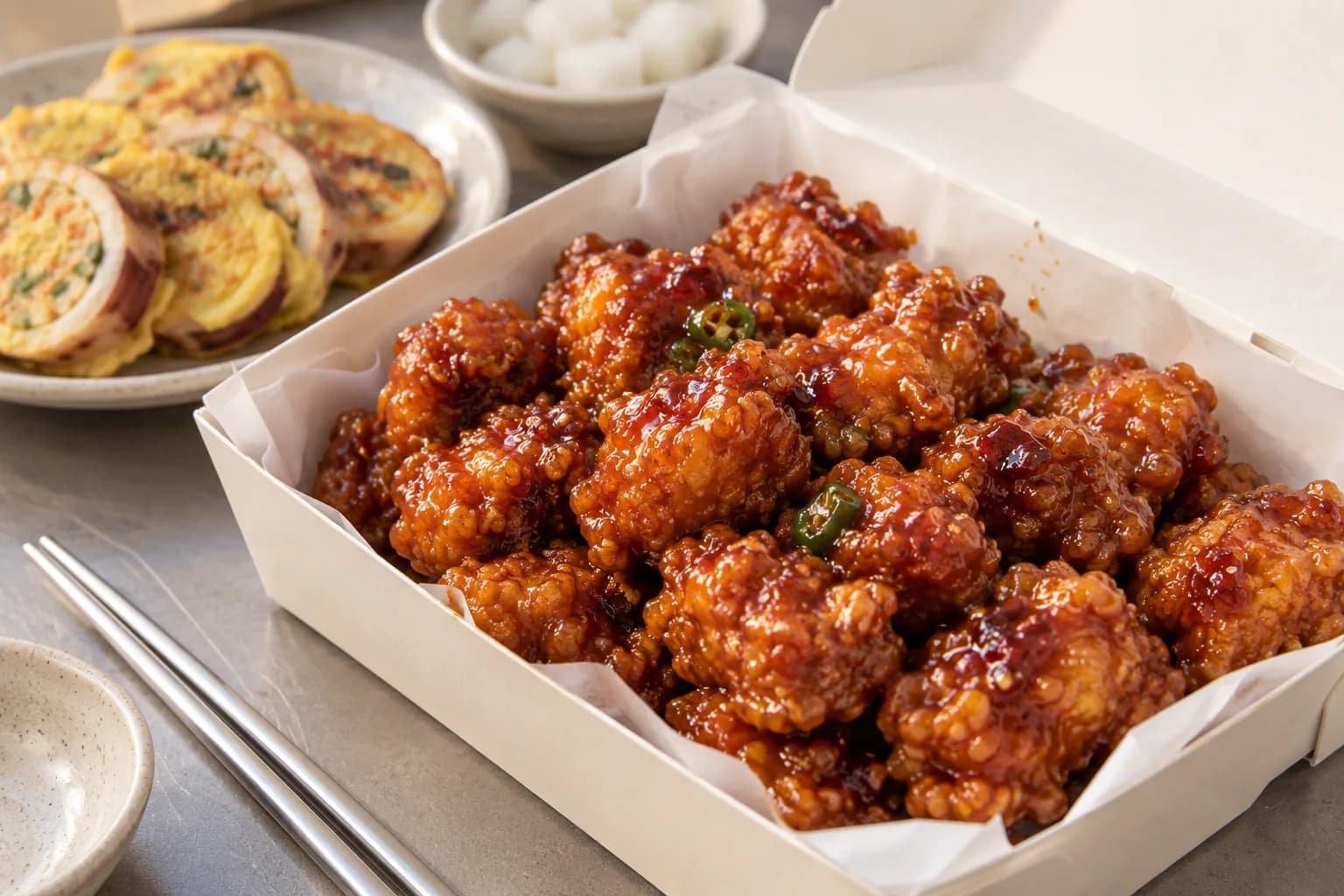
Your first bite of Sokcho might be a sticky, crisp piece of chicken eaten beside a market stall. The next could be a golden slice of stuffed squid, or a spoonful of icy red broth with fresh fish and crunchy cucumber.
What to eat in Sokcho on a first visit: start with dakgangjeong at the Tourist & Fishery Market, try ojingeo sundae or abai sundae for the city's heritage food, then choose mulhoe, cooked seafood or a warm noodle bowl for your main meal. Crab is an optional splurge. If you are traveling solo, avoiding raw fish or looking for breakfast, there are useful alternatives below—including eight places recently added to HeySeorak.
The pleasure is in mixing a little market grazing with a meal you can sit down and enjoy. This guide helps first-time English-speaking visitors choose the food, the area and the size of the order.
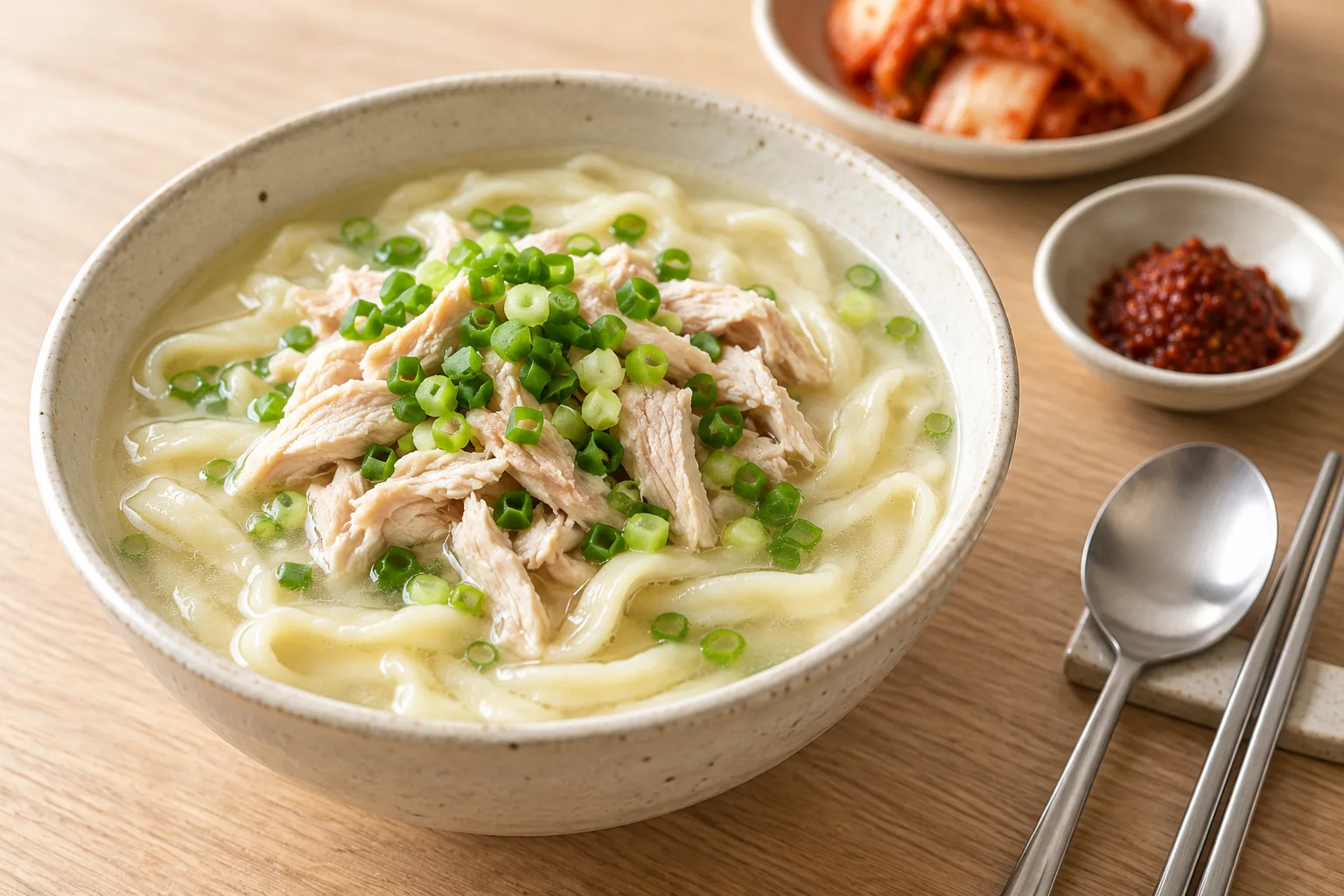
The thumbnail and three food photographs below are AI-generated editorial visualizations. They show the type of food, not a named restaurant's actual serving.
Your Sokcho food plan at a glance
Choose one snack, one proper meal and one optional treat. That leaves room to enjoy the city between bites.
| What you feel like eating | A good starting point |
|---|---|
| A classic first taste | Dakgangjeong at the Tourist & Fishery Market |
| Something distinctly local | Stuffed squid or pork sausage soup in Abai Village |
| A cold, bright seafood meal | Mulhoe, if you enjoy raw fish and chili |
| A warm meal for one | Jindam chicken noodles or an individual soup bowl |
| Cooked food by the beach | MOOiJUNG lunch, Beach Burger or Gaga's Pizza |
| Breakfast before exploring | Cafe Bean by Yeongnangho, after checking today's hours |
| One seafood splurge | A crab meal with the full price and portion agreed first |
Jump to signature foods · where to eat · solo and cooked meals · breakfast · food-day plans · prices and ordering · FAQs.
The Sokcho food specialties worth trying
Dakgangjeong — sweet-crisp fried chicken — 닭강정
The glaze catches the light before you even open the box properly. Dakgangjeong brings together craggy fried chicken and a sweet, savory sauce, with heat varying by shop and flavor. It is an easy introduction to Sokcho food for people who would rather begin with chicken than seafood.
At the Sokcho Tourist & Fishery Market, compare Jungang Dakgangjeong, Manseok Dakgangjeong and Bukcheong Dakgangjeong. Choose a flavor and ask about the box size before buying. A large takeaway box can swallow your appetite for the next stop; splitting one is often a better tasting plan.
The Korea Tourism Organization's Sokcho market guide identifies dakgangjeong and other market snacks as part of the city's food appeal. For a focused crawl, use our Sokcho food market guide.
Ojingeo sundae — stuffed squid — 오징어순대
The surprise is inside the slice: a thin ring of squid enclosing a dense, savory filling. The Korea Tourism Organization describes a preparation filled with glutinous rice and vegetables, steamed and sometimes coated in egg and pan-fried. Those golden slices offer a pleasing contrast between tender squid, soft filling and browned edges. Recipes vary, so check the filling if you avoid pork or other ingredients. See KTO's stuffed squid description.
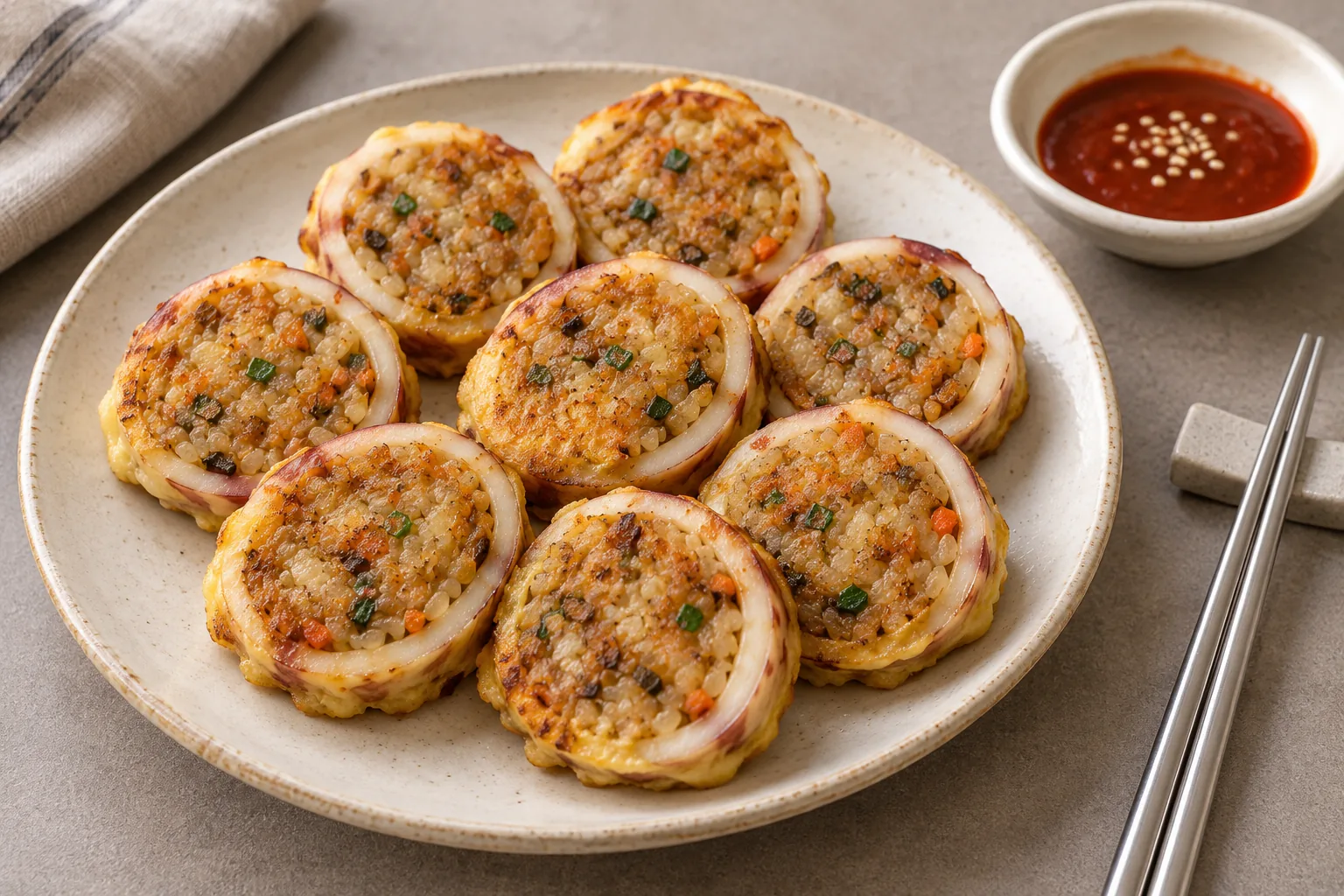
Start in Abai Village with Dancheon Sikdang or Bukcheong Abai Sundae 2nd Generation. If you are staying near the beach, the separately located Yet Bukcheong Abai Sundae is another option. Its solo sets make a smaller tasting meal possible, but the set includes pork abai sausage as well as squid.
Abai sundae — Abai-style pork sausage — 아바이순대
Abai sundae is the pork sausage specialty; ojingeo sundae uses squid as its casing. Knowing the distinction helps when two similar-looking names appear on a menu. For a full meal, look for Abai Sundae Gukbap — pork sausage soup with rice — 아바이순대국밥, rather than assuming a shared sausage platter comes with everything you need.
This food also belongs to Sokcho's refugee history. KTO's Abai Village introduction explains the settlement's connection with people displaced from northern Korea during the Korean War. A walk through the village gives the meal more context than a restaurant ranking alone.
Mulhoe — cold spicy raw-fish soup — 물회
Mulhoe is the sharp, refreshing turn in a seafood day: chilled red broth, slices of raw fish and crisp vegetables. It makes sense when you want something bright after a walk, and less sense when you are craving a hot soup. The fish, other seafood, broth and accompaniments vary between restaurants; ask what comes in your bowl.
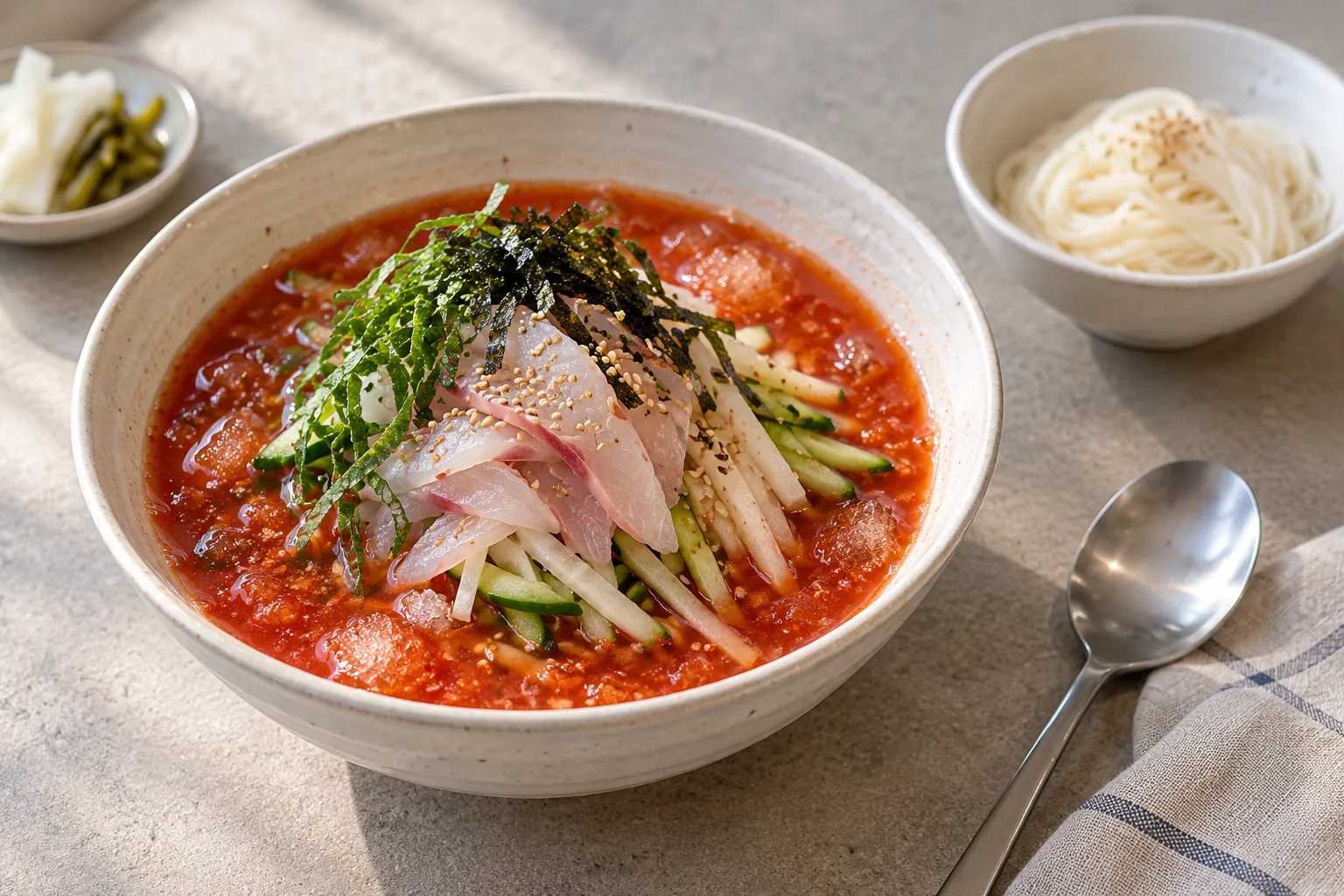
For an example of how a specialist describes the dish, see Sokcho Hangari Mulhoe's own food guide. Treat an operator's explanation as context for its style, then compare today's menu and portions. If you avoid raw fish, choose a cooked dish from the next sections instead.
Hong-ge and dae-ge — red snow crab and snow crab — 홍게·대게
Crab can be the meal you plan your evening around: slow eating, sweet meat and perhaps rice to finish. It can also be a smaller commitment. Yes Su-san at the market lists red crab lunchboxes, while Sinhaeburi Raw Fish and Hyesugine Live Fish are places to investigate for a sit-down seafood meal.
Before ordering, establish the species, weight or serving size, and the complete price. Ask whether steaming, table charges, sides and finishing rice are included. A lunchbox, a whole crab and a per-kilogram quote are different purchases. Our snow crab price guide explains the questions to ask; you can also compare where to eat snow crab.
Warm bowls, grilled fish and the rest of the shortlist
You can eat very well without making every meal a seafood platter. These dishes round out the city's flavors:
| Dish | Why choose it? | Where to look |
|---|---|---|
| Jang-kalguksu — spicy paste-seasoned knife-cut noodles — 장칼국수 | A warm, filling local bowl | Hwanggane Son Kalguksu; its recorded broth is clam-based |
| Hong-ge Ssalguksu — whole red crab rice noodles — 홍게쌀국수 | Crab in a noodle meal | Seodam Ssalguksu, from 11 a.m.; availability can run out |
| Mun-eo Guk-bap — octopus rice soup — 문어국밥 | A cooked seafood bowl | Sokcho Octopus Rice Soup |
| Saengseon-gui — grilled fish — 생선구이 | Cooked fish instead of sashimi | Compare the available fish and portions at Eunhui-ne Sikdang |
| Hoe — sliced raw fish — 회 | A seafood dinner to share | Daepo Port; check fish, platter size and total first |
| Udon — wheat noodles — 우동 | A straightforward individual noodle order | Udongdang; soy-dashi sauce is not a vegetarian guarantee |
| Twigim — fried snacks — 튀김 | A small bite between stops | Market stalls; choose pieces individually where offered |
Where to eat in Sokcho by area
Choose the area that fits your day before choosing the restaurant. A market tasting lunch, a beach afternoon and a port seafood dinner feel quite different.
| Area | Build your food stop around | Useful next link |
|---|---|---|
| Tourist & Fishery Market | Chicken, fried snacks or a crab lunchbox | Market food guide |
| Abai Village | Stuffed squid, pork sausage and soup | Dancheon Sikdang |
| Downtown | An individual noodle or rice meal | Restaurant guide |
| Sokcho Beach and nearby streets | Noodles, lunch sets, burgers, pizza or brunch | Browse food spots |
| Daepo Port | A planned seafood dinner and port visit | Seafood market guide |
| Yeongnangho | A lake-side breakfast or cafe pause | Yeongnangho Cafe Bean |
For orientation beyond a restaurant pin, the City of Sokcho's English walking map helps connect the city's neighborhoods and sights. Check actual routes and opening times before setting off.
Recently added beach-area options
These are recent additions to HeySeorak's guide, researched or interviewed in August–September 2026. They are not all newly opened businesses. They widen the choice when you want a relaxed meal near the beach rather than another market box.
Jindam: a warm bowl and a seat at the counter. Its chicken knife-cut noodles give you a cooked lunch with a little ritual: the owner describes a perilla-oil noodle starter and sticky rice to finish the broth. The 14-seat counter is specifically described as welcoming solo diners. The recorded chicken noodle price is ₩12,000 per bowl. It opens at 11 a.m. and closes Tuesdays; see the Jindam menu and owner-managed listing.
Beach Burger: keep lunch simple. A cheeseburger is recorded at ₩9,000, and the Hawaiian burger with pineapple at ₩10,500, both for the burger alone. A soft-drink set adds ₩6,500—so a cheeseburger with that upgrade totals ₩15,500 before any other extras. The garlic shrimp burger also contains beef. Check Beach Burger's menu and owner listing; Monday is the recorded closing day.
Gaga's Pizza: one slice or a table to share. The cheese option is ₩4,000 per slice or ₩30,000 for a whole 18-inch pizza, about 46 cm across. Those prices are different order sizes, not a range for one meal. Ask which slices are ready before deciding. Find toppings and portion choices on Gaga's Pizza's menu, with the owner-managed place listing for current hours. Wednesday is the recorded closing day.
Yet Bukcheong Abai Sundae: heritage food without crossing to Abai Village. The beach-area restaurant lists solo sets combining a main dish, a small assorted sausage-and-squid plate and a small bibimbap. All listed solo sets include pork sausage. Its photographed board and online listing show different prices, so confirm the current set price rather than budgeting from an old photograph. See the menu and owner listing.
Sonz: a slower brunch. Pulled pork brioche is recorded at ₩17,000; the Pink Protein Plate at ₩18,000 combines tofu, vegetables, pita and egg. That plate is not vegan. The shrimp pasta includes dried pollock, which matters if you are checking seafood ingredients. Each adult is asked to order a main. Read the Sonz menu and owner listing; brunch hours are temporary, and evening wine-bar service is by advance reservation.
Sokcho Samgyeop: an evening barbecue choice. Pork belly and pork neck are listed at ₩17,000 per 200 g order. This is a meat-order price, not an all-inclusive dinner per person. Confirm the minimum number of orders before sitting down, particularly if you are alone. Use the menu and owner's menu listing to plan the meal.
A downtown bowl, a lake breakfast and a refreshed lunch menu
Guxiang adds a different warm meal to the downtown choices: clear or mala beef noodles recorded at ₩12,000 per bowl. The listed break is 3–5 p.m., and Sunday is the closing day. A beef dish can still have seafood-derived sauce or broth ingredients, so it is a cooked-food alternative, not a seafood-allergy assurance. Check the Guxiang menu and owner listing.
Yeongnangho Cafe Bean pairs a lake outing with pocket sandwiches and coffee. Its egg-mayo pocket is recorded at ₩9,000, and the Hanwoo beef pocket at ₩11,500. See the Cafe Bean menu for ingredients and the owner listing before an early visit. This is the Yeongnangho area, separate from the beach cluster.
MOOiJUNG is an existing beach-area pick with a newly refreshed lunch menu. The Hamburg steak lunch set is ₩15,000 for a 150 g steak, while the regular 200 g Hamburg steak is ₩19,000. The chicken karaage lunch set is also ₩15,000. Lunch orders run until 1:30 p.m.; the recorded opening is 10 a.m. on most opening days and 11 a.m. Sunday, with Wednesday closure. Check the updated MOOiJUNG menu, including the rice and miso-soup refill note.
Solo meals, cooked food and dietary questions
Eating alone in Sokcho
An individual bowl makes the order easy to understand. Jindam has explicit solo-diner context, and Yet Bukcheong lists solo sets. A burger or an available pizza slice is another practical choice when you want to eat and keep moving.
For barbecue, crab or sashimi, ask the restaurant's minimum first. A shared dish or a two-order minimum can change both the price and the experience. Our restaurant guide is the next step once you know the kind of meal you want.
If you do not eat raw fish
Build a food day from chicken, cooked stuffed squid, sausage soup, noodles or a lunch set. If you eat cooked seafood, grilled fish and steamed crab are options too. Mulhoe and hoe are raw-seafood choices; a bowl of red broth does not make mulhoe a cooked soup.
Avoiding raw fish and avoiding all seafood are different needs. Hwanggane's recorded broth is clam-based, Guxiang's sauces need ingredient checking, and Sonz's shrimp pasta contains dried pollock. For an allergy, discuss the full ingredients and preparation with staff rather than relying on the dish's English name.
Vegetarian and vegan orders
A vegetable topping is only part of the dish. Check broth, sauces, egg and dairy as well as the visible ingredients. Sonz's tofu-based Pink Protein Plate includes egg, and a mushroom pizza is not automatically vegan. We have not confirmed the new picks above as vegan venues.
For a starting point beyond this shortlist, HappyCow's Sokcho listings can help identify candidates, but confirm the current menu directly. Dietary labels in a review do not replace an ingredient conversation at the restaurant.
Where to eat breakfast in Sokcho
The most useful breakfast detail is the opening time. Check it before leaving your hotel—especially on Sunday, a regular closing day or a holiday.
| Option | Recorded opening pattern | What to remember |
|---|---|---|
| Yeongnangho Cafe Bean | 8 a.m. most days; 10:30 a.m. Sunday | Wednesday closed; hours checked August 20, so recheck an early visit |
| Sonz | 9:30 a.m. Friday/Saturday; 10 a.m. other opening days | Temporary brunch schedule; Wednesday closed |
| MOOiJUNG | 10 a.m. most opening days; 11 a.m. Sunday | Early lunch rather than an early breakfast; Wednesday closed |
| Udongdang | 10 a.m. weekdays; 9 a.m. Saturday | Older May record; Sunday and holiday hours need confirmation |
Jindam and Seodam both list an 11 a.m. opening. Plan them for lunch. Hwanggane's current opening time has not been confirmed in our record, so do not build an early departure around it. The Sokcho breakfast guide gives you more options to investigate.
Three food days you can actually enjoy
First visit: market, heritage food and a cafe pause
Start with a light meal, then choose one market snack: a few fried bites or a shared chicken box. Make Abai Village your proper meal for stuffed squid or sausage soup. Add a cafe stop when you want to rest; leave the bigger seafood dinner optional. You get the city's distinctive flavors without treating every stop as another full lunch.
Beach day: brunch or noodles, then an easy dinner
Choose Sonz for a leisurely brunch, Jindam for a warm bowl, or MOOiJUNG within its lunch-order window. Walk the beach afterward. Later, pick a burger, pizza or a planned barbecue dinner according to your appetite. Check closing days before pairing two places: several beach-area picks close Wednesday.
Seafood day: one main event
Pick mulhoe if you enjoy cold raw seafood, or a grilled-fish or cooked-seafood meal if you prefer heat. Keep the other meal light. If crab is the main event, agree on the full order and price first and allow for its preparation time. A market crab lunchbox and a port dinner are separate experiences; choose the one that fits your schedule.
If Seoraksan is the focus of the day, put your main meal after the hike and check last orders before returning. Use the Sokcho-to-Seoraksan bus guide to connect the food plan with your travel plan.
Sokcho food prices and an easy ordering checklist
The figures below are recorded menu examples, not an October price guarantee. Older signature-food prices come from March–June records; the newer menu checks are dated beside them. They help you compare order sizes before opening the full menu.
| Example | Recorded price and unit | Record context |
|---|---|---|
| Manseok dakgangjeong | ₩19,000–₩21,000 per box, depending on option | March–June specialty record |
| Dancheon sausage soup with rice | ₩10,000 per bowl | March–June specialty record |
| Yes Su-san red crab lunchbox | ₩26,000 quick-pickup or ₩36,000 steamed-to-order box | Older record; preparation method differs |
| Jindam chicken noodles | ₩12,000 per bowl | September 29 menu research |
| Beach Burger cheeseburger | ₩9,000 burger; ₩15,500 with the ₩6,500 soft-drink set upgrade | September 30 research, October 1 menu record |
| Gaga's cheese pizza | ₩4,000 slice or ₩30,000 whole 18-inch pizza | September 30 menu research |
| MOOiJUNG Hamburg lunch | ₩15,000 set with a 150 g steak | October 1 menu refresh |
| Sokcho Samgyeop pork belly | ₩17,000 per 200 g order; minimum needs checking | September 29 research, October 2 menu record |
For example, Jindam chicken noodles plus a Beach Burger cheeseburger total ₩21,000 in main dishes at the recorded prices. Add the burger's soft-drink set and that becomes ₩27,500. Breakfast, coffee, snacks and transport are extra. This is a way to calculate your own day, not a recommended all-day budget.
Before ordering:
- Check today's opening, break and last-order time. Opening until 8 p.m. does not always mean orders until 8 p.m.
- Choose the serving unit. One bowl, one box, one slice, one pizza or 200 g of meat?
- Ask about minimum orders. Especially for barbecue and shared seafood.
- Check ingredients that matter to you. Include broth, sauces and set side dishes.
- Confirm the full price and waiting time. Include upgrades, cooking fees or extra rice where relevant.
- Open the Korean dish name on your phone. Show it to staff and confirm the portion before paying.
Useful phrases to show at the table:
| What you want to ask | Korean |
|---|---|
| Can I order for one person? | 1인 주문 가능해요? |
| What is the minimum order? | 최소 주문이 어떻게 돼요? |
| Does this contain seafood, including the broth? | 육수 포함해서 해산물이 들어가나요? |
| Can I have the sauce separately? | 소스 따로 받을 수 있어요? |
| What is the total price? | 총 얼마예요? |
For a dietary restriction, explain the actual ingredient you avoid; asking to remove a topping does not change the broth. The English menu pages help with ordering, while each restaurant confirms its current ingredients, availability and service.
Sokcho food FAQ
What food is Sokcho most famous for?
Dakgangjeong, stuffed squid, abai pork sausage and mulhoe are strong first choices. Crab, fresh sashimi, grilled fish and jang-kalguksu expand the shortlist. For a first day, choose a market snack and a proper meal you are excited to sit down for; you do not need to taste every specialty.
Is Sokcho worth visiting if I do not eat raw fish?
Yes. Chicken, cooked stuffed squid, pork sausage soup, warm noodles and lunch sets give you plenty to choose from. Grilled fish and steamed crab work if you eat cooked seafood. If the concern is a seafood allergy, check stock, sauces and preparation separately with staff.
Where can I eat alone in Sokcho?
Jindam has explicit solo-diner context, and Yet Bukcheong lists solo sets that include pork sausage. Individual bowls, burgers and available pizza slices are practical alternatives. Ask about minimums before choosing barbecue, crab or a shared sashimi platter; solo-dining policies differ by restaurant.
Where should I eat breakfast in Sokcho?
Cafe Bean by Yeongnangho lists an 8 a.m. opening on most days, with a later Sunday start. Sonz lists temporary brunch hours from 9:30 a.m. Friday and Saturday. Recheck both before traveling. Jindam and Seodam open at 11 a.m., which makes them lunch choices.
How much should I budget for food in Sokcho?
Begin with the individual prices for your chosen meals, then add snacks and drinks. Recorded examples include ₩12,000 chicken noodles, a ₩9,000 cheeseburger before upgrades and a ₩15,000 lunch set. Chicken boxes, pizza slices and per-200 g barbecue orders are different serving units; compare the full order.
Are English menus available in Sokcho?
The linked HeySeorak menus explain dishes in English and include Korean names you can show staff. They do not guarantee a printed English menu or an English-speaking server. Check the portion and current price with the restaurant, then use the Korean name to confirm your choice.
Can vegetarians or vegans eat in Sokcho?
Check ingredients carefully, including broth, sauce, egg and dairy. The new picks here are not confirmed vegan venues: Sonz's Pink Protein Plate includes egg, for example. Use specialist listings to find candidates, then verify the complete meal directly rather than relying on a vegetable-sounding name.
Your best Sokcho food day starts with one dish you really want to try. Pick the area around it, add a snack and leave space for an unhurried meal. Open the restaurant guide for a venue shortlist or browse the food spots and English menus to make your next order.