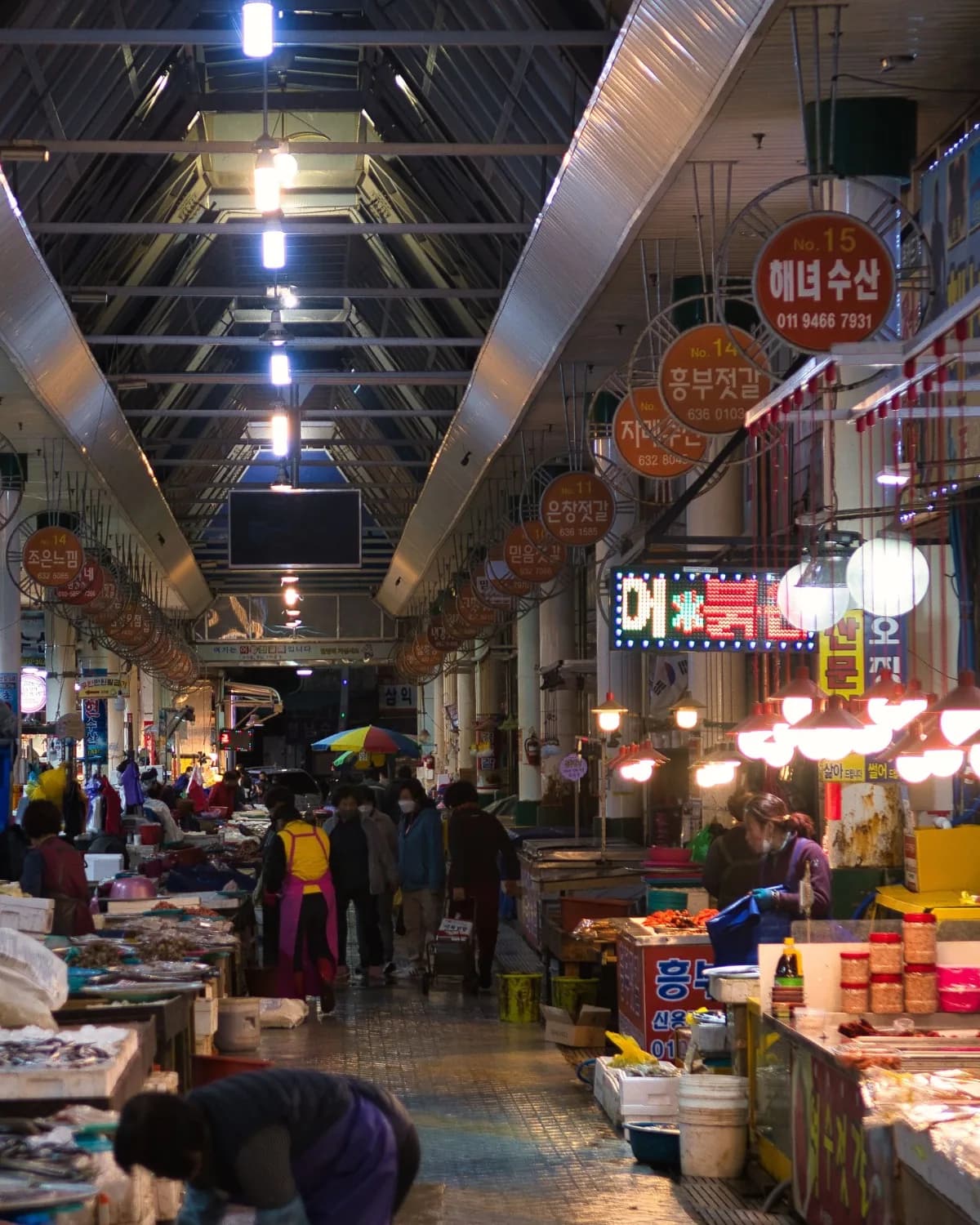
Sokcho Tourist & Fishery Market
속초관광수산시장
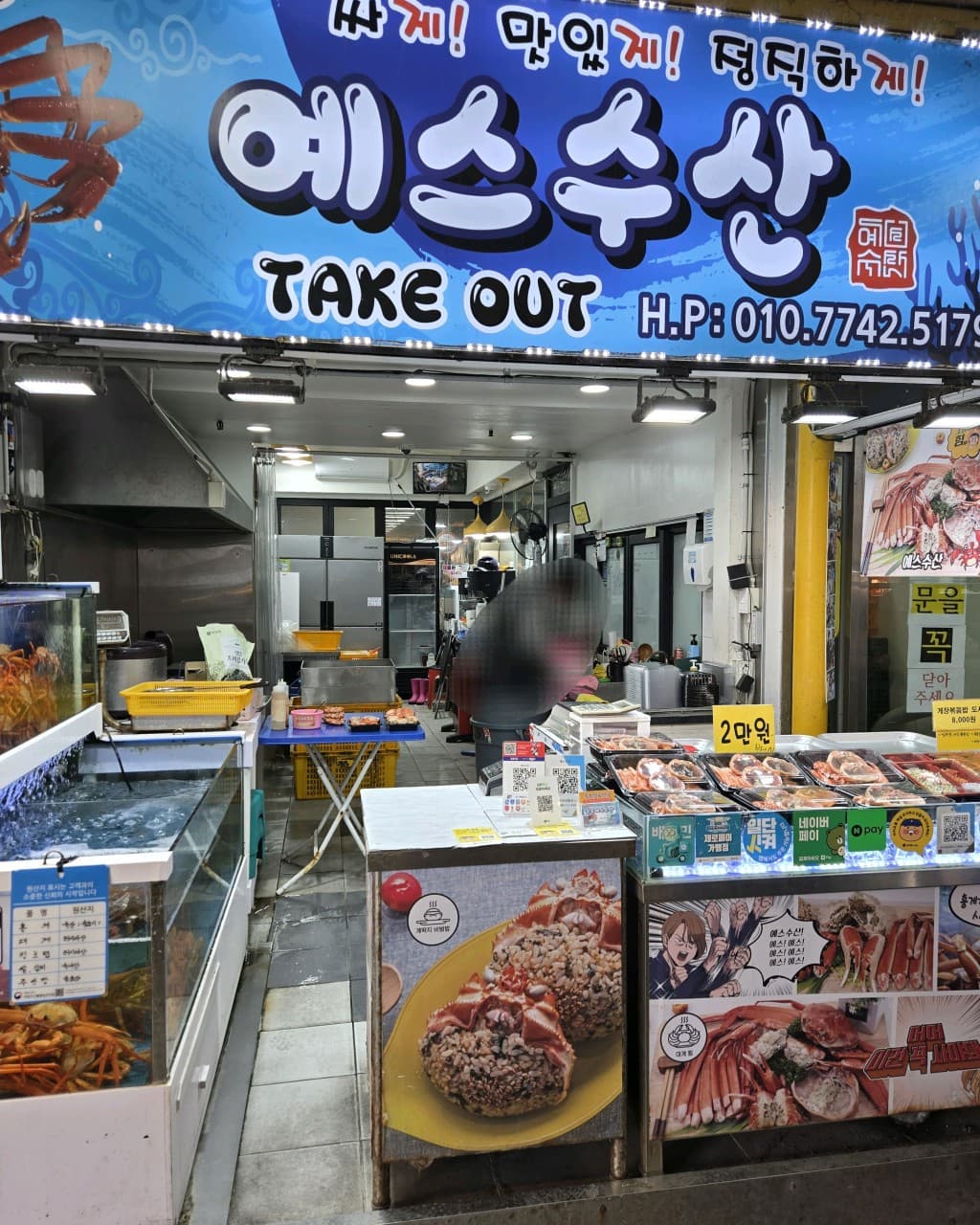
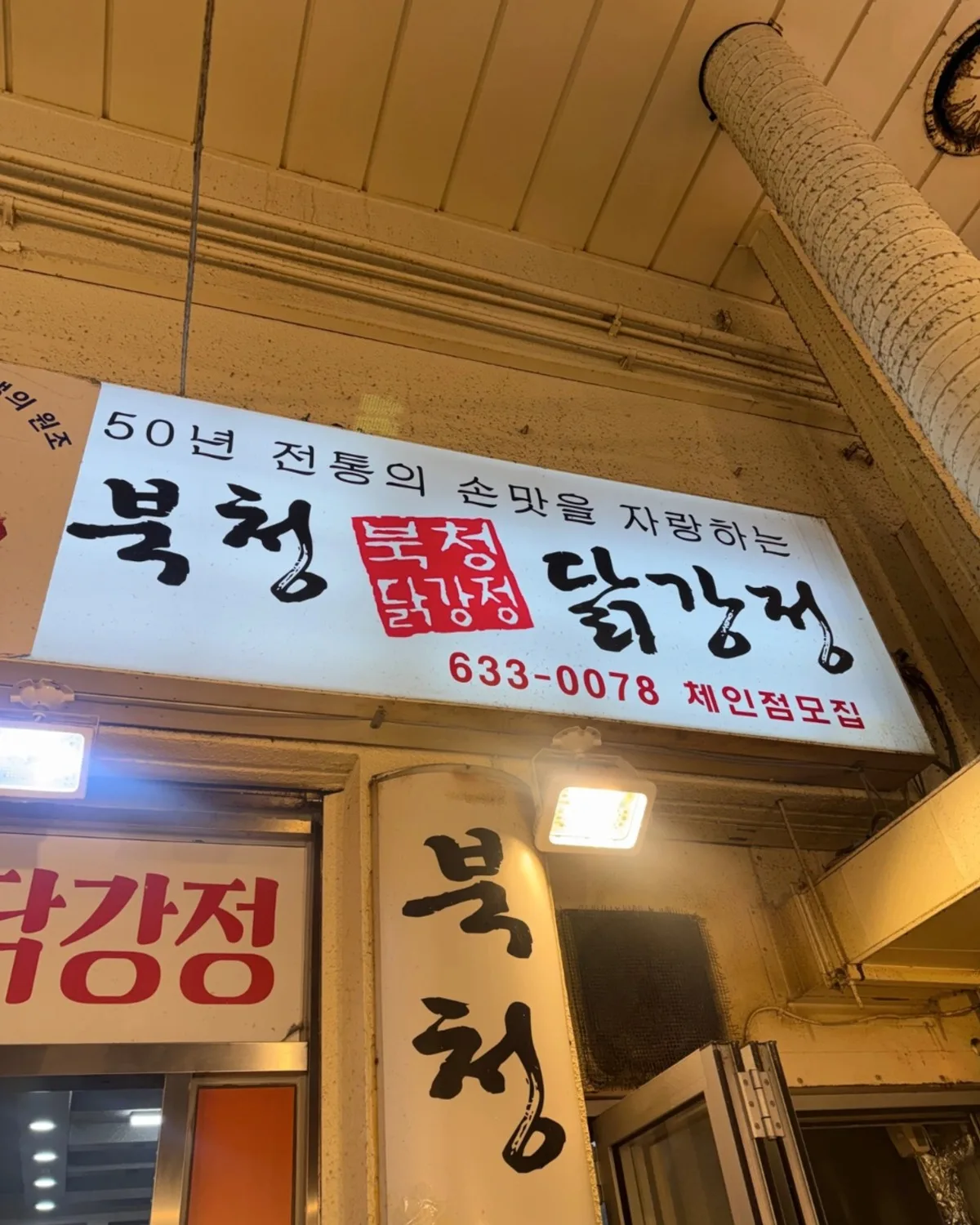
Sokcho Tourist & Fishery Market is the city's food-and-shopping hub: a traditional market with fresh seafood, dried fish, salted seafood, fruit and vegetable alleys, sundae, dakgangjeong, and a basement raw-fish center. For history-focused travelers, it also works as a postwar economic heritage stop, showing how Sokcho's port, refugee foodways, and tourism economy meet in one walkable place.
2 travelers viewed this
Verified by HeySeorak on 📖 Owner story included
Best For
History, culture, scenic context, and first-time orientation
Area
Tourist Fishery Market
Price
₩ Budget-friendly
Info
16 Jungang-ro 147beon-gil, Sokcho-si, Gangwon-do
강원특별자치도 속초시 중앙로147번길 16
Sokcho Tourism lists the market as always available and open year-round, but individual shops keep their own hours. The raw-fish center has separate closures, including the second Wednesday noted by Sokcho Tourism.
The Story
The market's postwar history is tied to Sokcho's growth after the Korean War. Local history coverage traces its roots to 1953, when displaced people, residents, port work, seafood, and daily commerce began forming the market culture that later became a major tourist draw.
Behind the Signature
VisitKorea and Sokcho Tourism both describe a market organized by specialized alleys: chicken and dakgangjeong, blood sausage, salted seafood, produce, chili pepper and oil shops, dried seafood, and the raw-fish center. That organization makes the market easy to read even for first-time foreign visitors.
Local Tip
For collection routes, this is the practical starting point for Abai Village: food first, then Gaetbae Ferry, then murals and memorial stops. It also gives visitors a place to buy portable gifts such as dried seafood, jeotgal, dakgangjeong, or market snacks.
Seasonal Note
Holiday weeks and rainy weekends can be crowded because the market is covered and central. If the goal is photography or slow browsing, arrive earlier than lunch or return after the peak snack rush.
For Travelers
This is one of the easiest places for international travelers to understand Sokcho's identity without a long explanation: East Sea seafood, North Korean-style refugee foods, port-city commerce, and modern domestic tourism are all visible in a single dense block.
How to order here
A simple flow for first-time visitors who want to order confidently.
Step 1
Start with the context
Read the short history first so the stop is more than a photo point. The story usually explains why this place matters in Sokcho.
Step 2
Walk the key point
Use the map pin as your anchor, then give yourself a few extra minutes for nearby signs, views, side paths, or linked monuments.
Step 3
Connect the next stop
This works best as part of a route. Pair it with a nearby village, museum, market, ferry, temple, or lake walk rather than visiting in isolation.
Helpful guides
Practical reads to help you make the most of your visit.
Plan around this stop
Curated routes and visitor situations where this place fits naturally.

Sokcho History Itinerary
A full-day Sokcho history itinerary linking Sinheungsa Temple, Sokcho Museum, Abai Village, the Gaetbae ferry, market, and chilsungboatyard with route tips.
- Full day
- 12 picks

Abai Village History Walk
An Abai Village Sokcho history walk linking the Gaetbae ferry, mural street, refugee food, market, and museum context for foreign travelers.
- 2-3 hours
- 7 picks
You might also like
Nearby picks with a different category first, then backup options in the same area or city.