The story
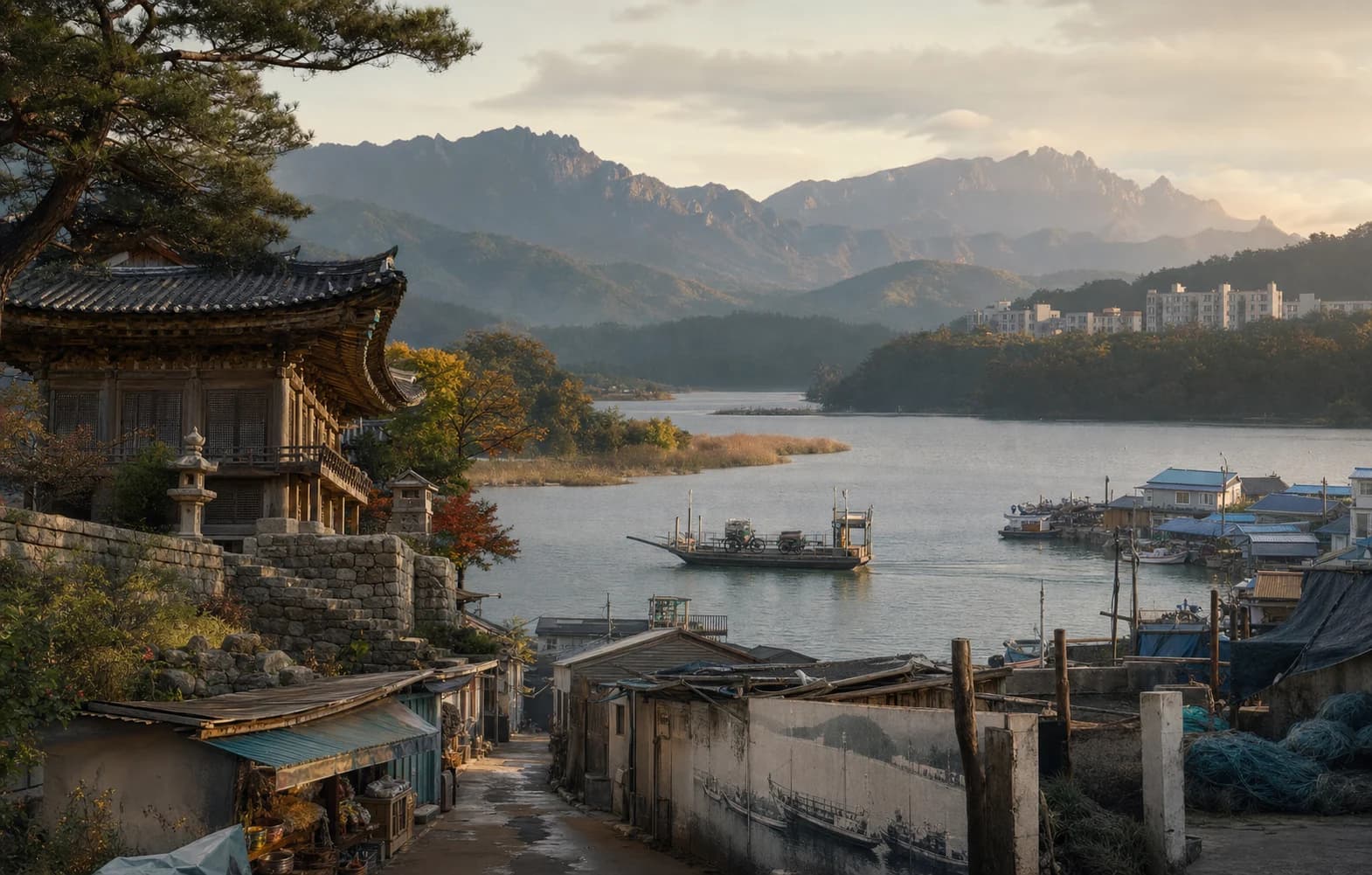
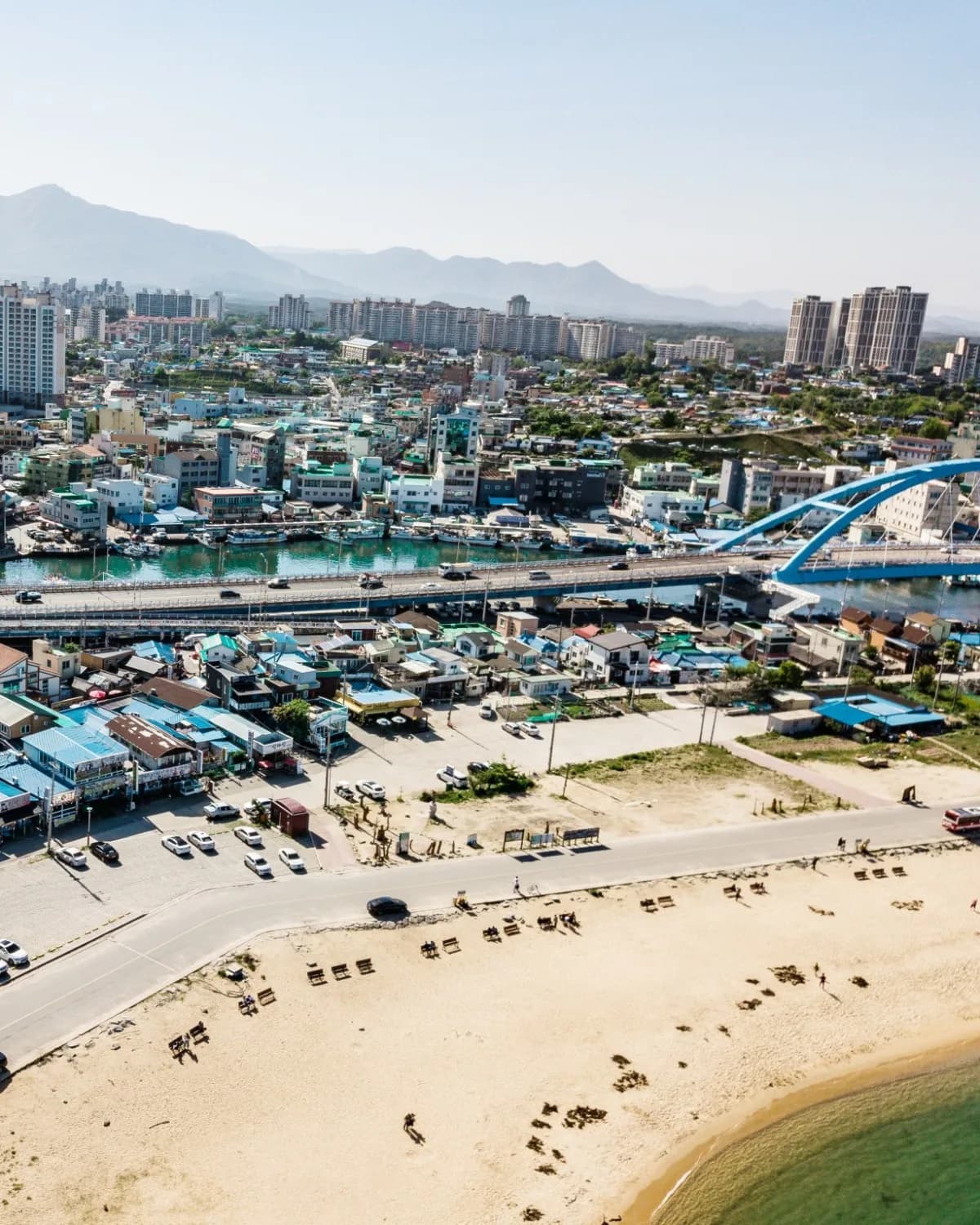
Abai Village formed as a settlement of Korean War refugees from North Korea, especially people from Hamgyeong-do Province. Local memory frames the early village as a temporary home that became permanent: families expected to return north, but instead built clustered hometown communities on the sandy Cheongho-dong ground despite difficult housing and water conditions.
Behind the signature
The name 'Abai' comes from Hamgyeong-do dialect and refers to an older man, like a grandfather. That makes the village name itself a cultural artifact: it carries the speech of displaced people from the northeast of the peninsula into present-day Sokcho.
Local tip
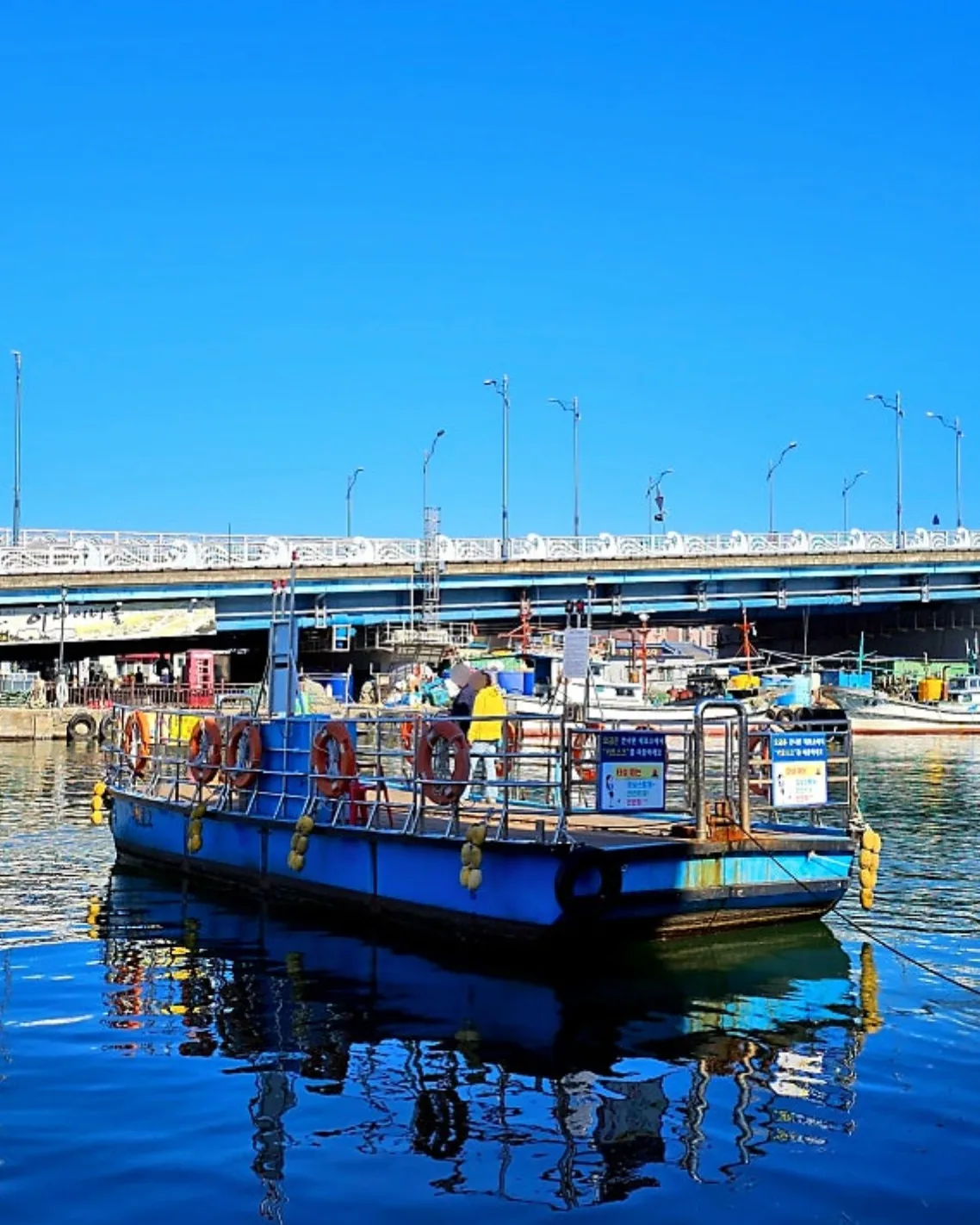
The village works best as a walk, not a single stop. Pair Abai Village with the Gaetbae ferry, Art Platform Gaetbae, the displaced-people memorial points, and one North Korean-style food stop. The Sokcho City Museum's Displaced People Folk Village helps explain the original houses that no longer survive here in full form.
Seasonal note
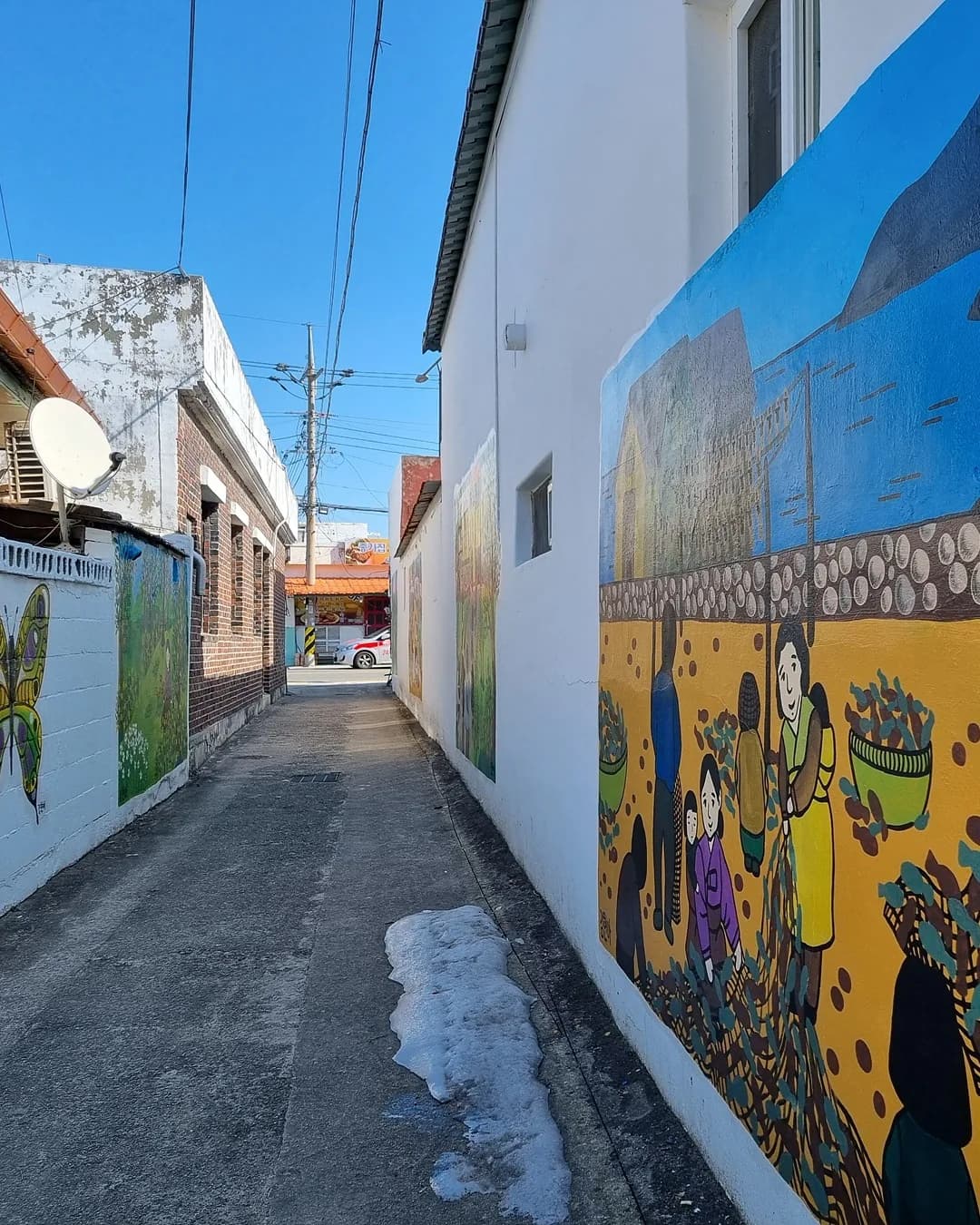
Weekends can feel food-tour heavy around the restaurant lane. Early morning or late afternoon is better for reading murals, taking photos without blocking residents, and walking toward Cheongho Beach.
For travelers
This is one of Sokcho's clearest explanations of Korea's division outside a DMZ tour. The story is human-scale: families crossed south, built temporary homes, waited to return, and created a new neighborhood when return became impossible.