Abai Village Ferry
아바이마을 갯배
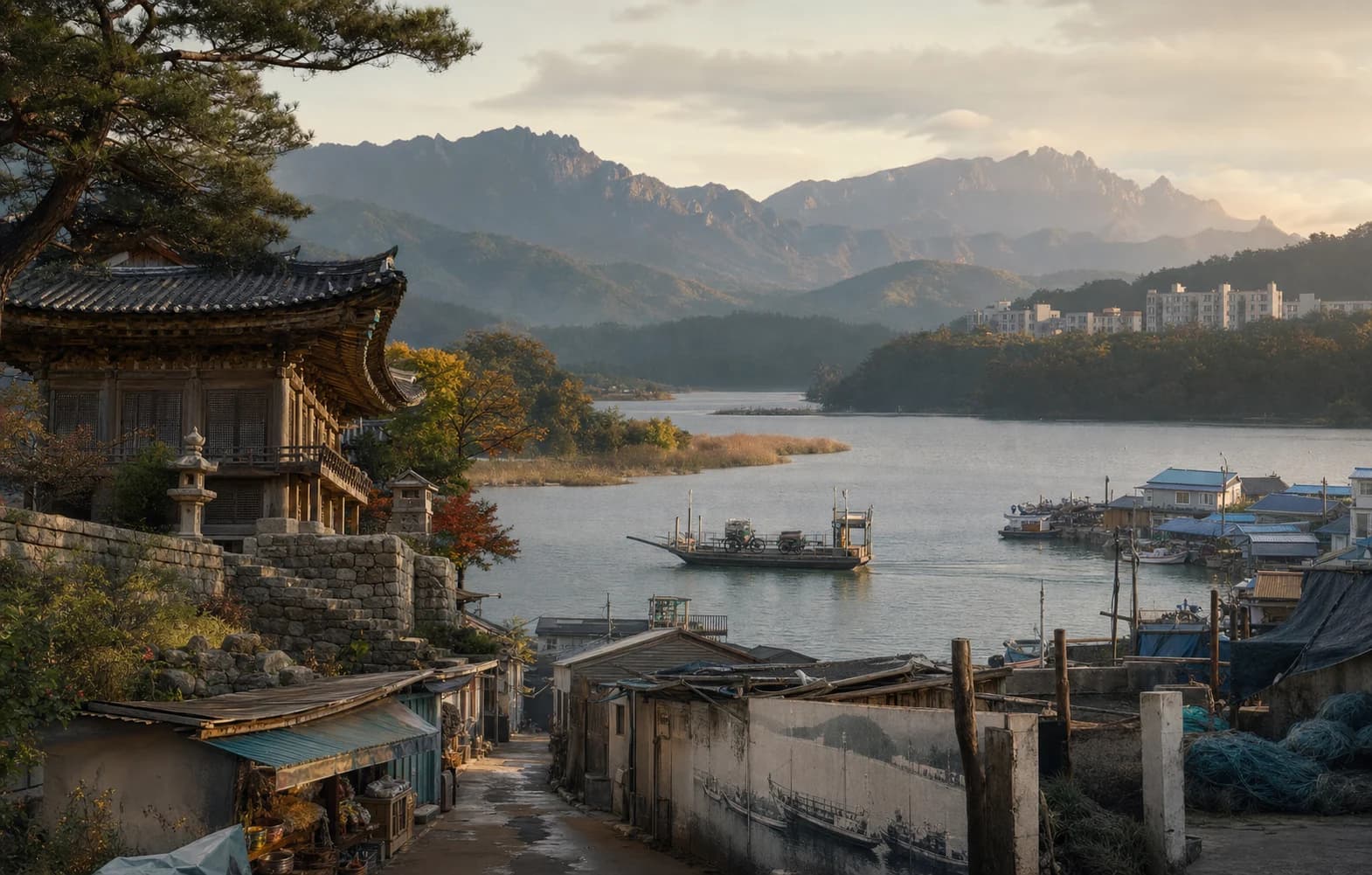
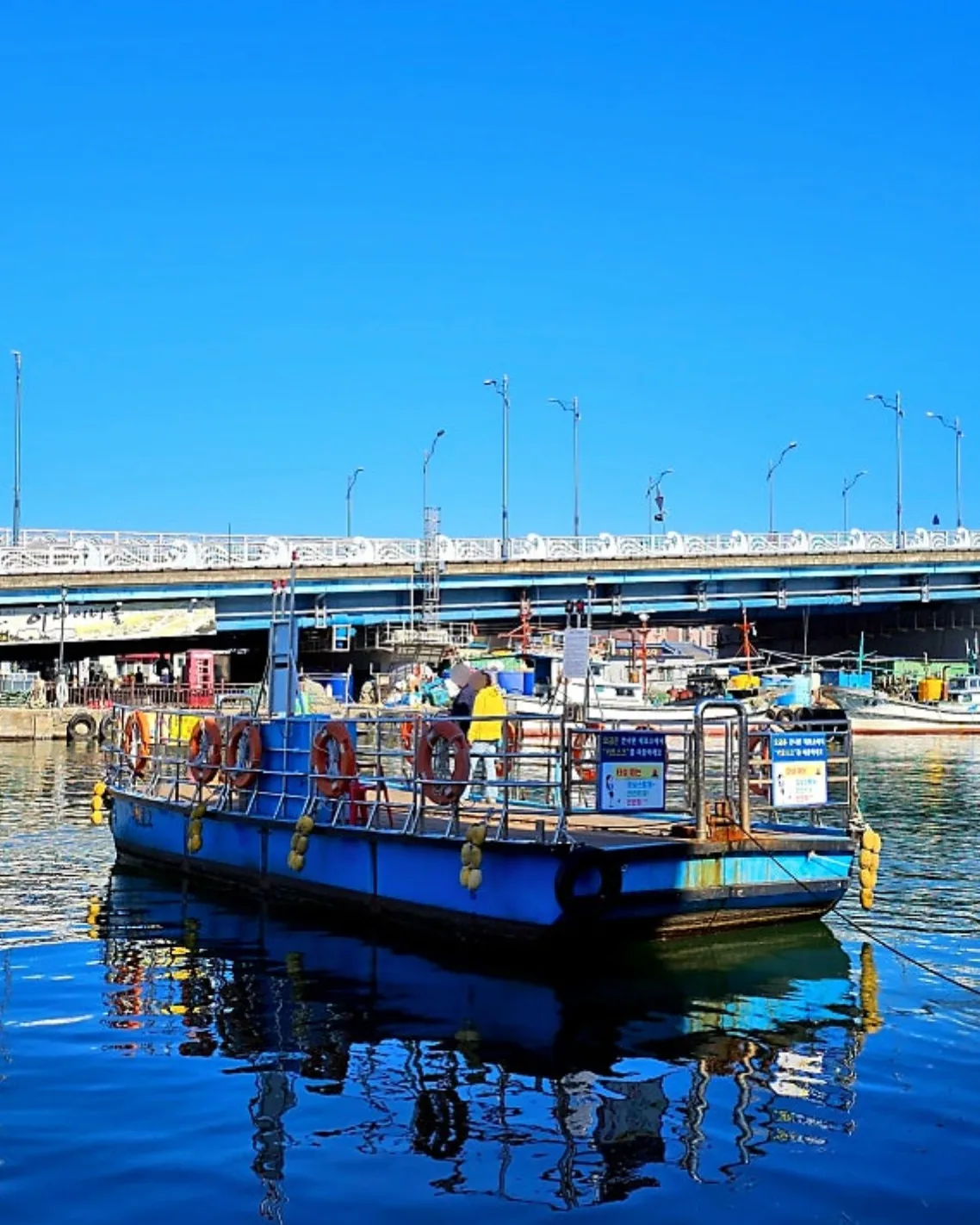
Abai Village Ferry is the hand-pulled cable ferry that turns the short crossing from Sokcho Tourist & Fishery Market toward Abai Village into a cultural experience. The boat has no engine: passengers and staff pull a hook along fixed steel cables to move across the narrow Cheongchoho waterway, connecting daily transport with the memory of displaced residents who used this route before modern road access became easy.
4 travelers viewed this
Verified by HeySeorak on 📖 Owner story included
Best For
History, culture, scenic context, and first-time orientation
Area
Abai
Price
₩ Budget-friendly
Info
51 Jungangbudu-gil, Sokcho-si, Gangwon-do
강원특별자치도 속초시 중앙부두길 51
Short crossing between downtown Sokcho and Abai Village. Operating hours and fare can change by season, weather, and dock conditions; check the sign or tourist information before relying on a late return.
The Story
Sokcho Tourism explains that the ferry was created by displaced residents who settled in Abai Village during the Korean War and needed a way to cross into downtown Sokcho. That origin makes the crossing part of the village's survival infrastructure, not a retro tourist ride invented later.
Behind the Signature
VisitKorea describes the gaetbae as a small barge-style boat without an engine. It crosses the roughly 50 m waterway by fixed cables, and the slow manual pull makes visitors physically participate in the route that once carried residents between work, market, and home.
Local Tip
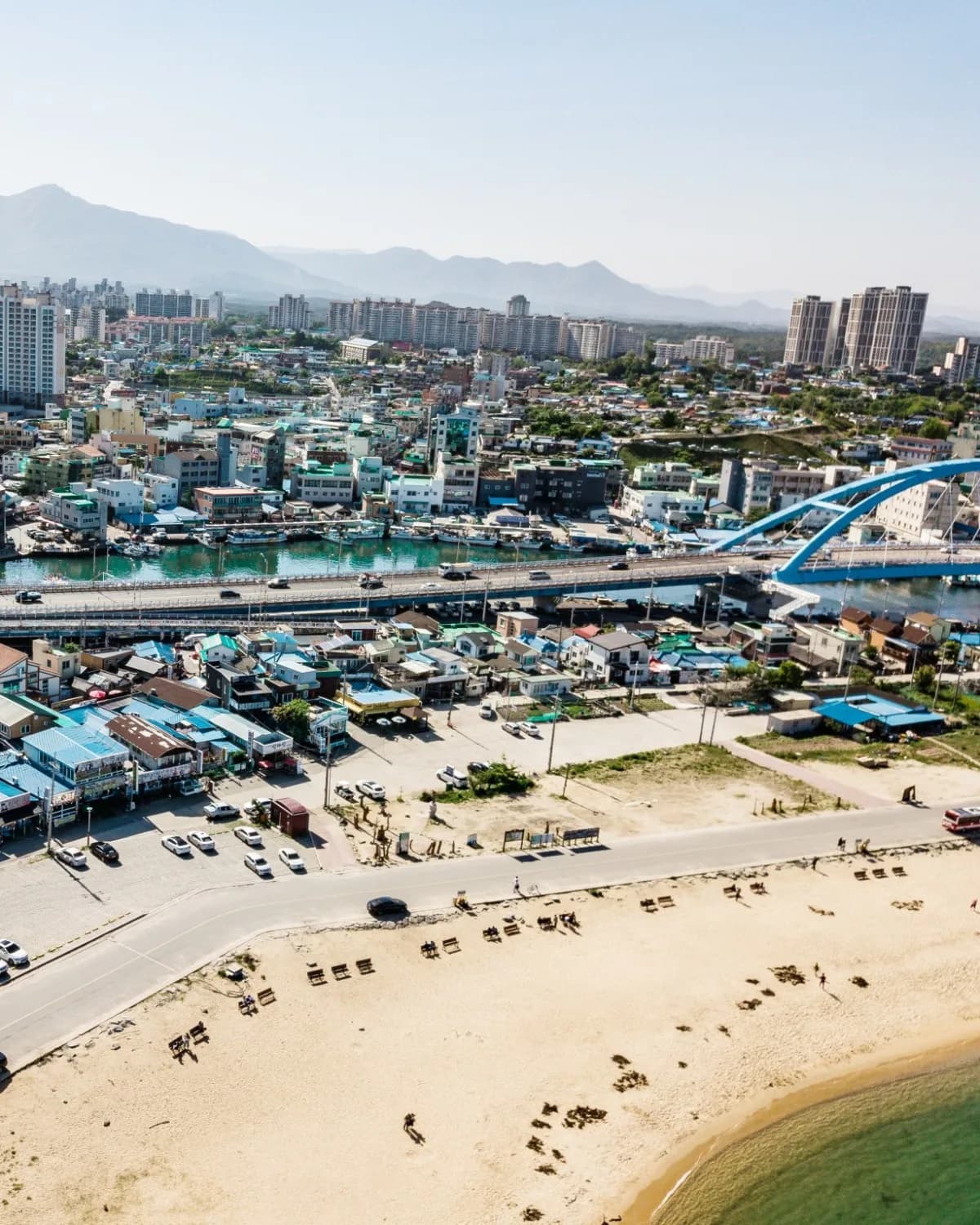
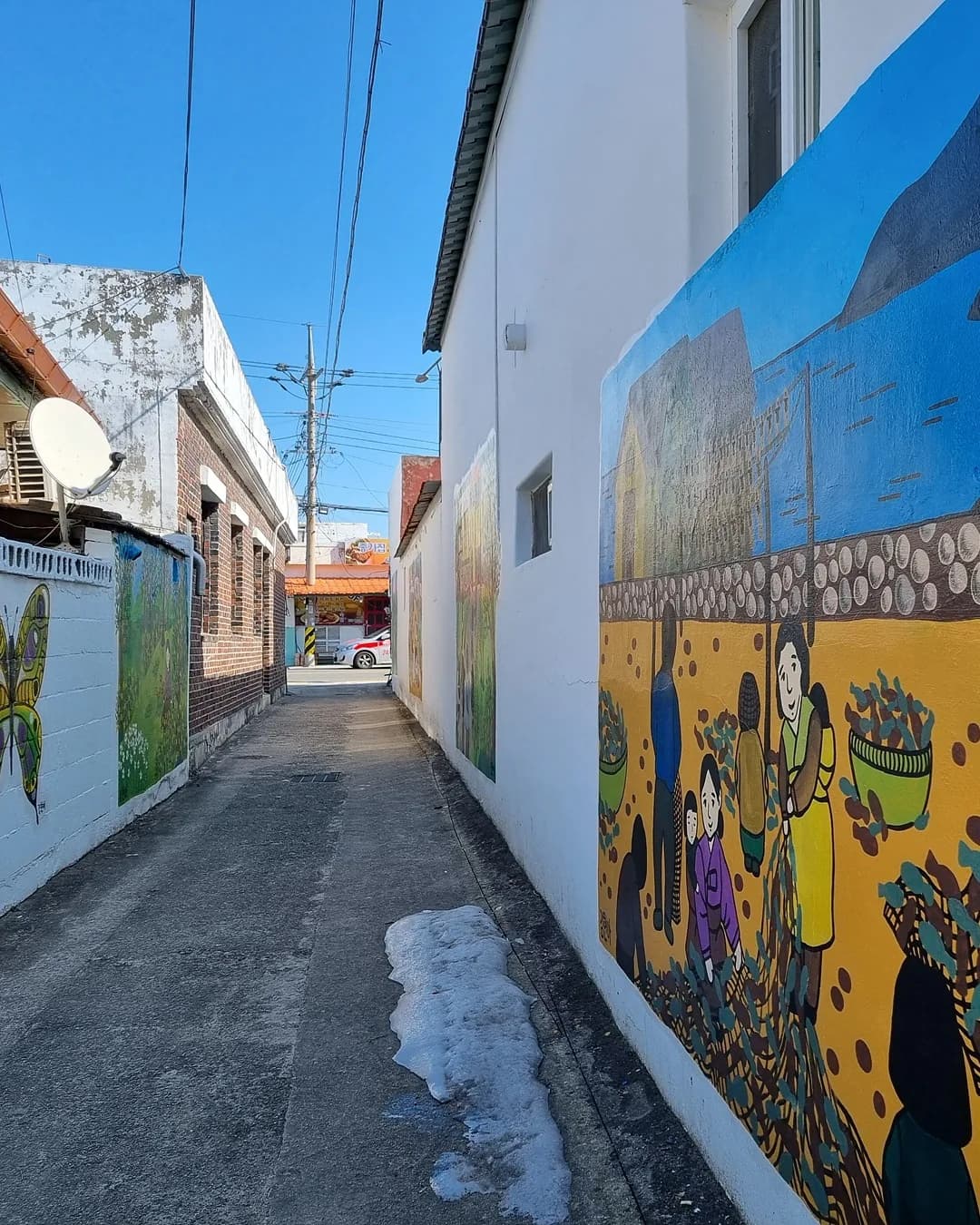
Map apps may show different dock addresses because the ferry has two sides. For collection routing, pin the downtown Jungangbudu-gil dock first: it links naturally from Sokcho Tourist & Fishery Market to Abai Village, Art Platform Gaetbae, and the mural alleys.
Seasonal Note
Wind, rain, ice, and crowding can change the feel of this very short ride. Keep the ferry as a flexible connector in a route rather than the only way to make a timed reservation.
For Travelers
For international travelers, this is an easy, low-barrier way to feel how geography shaped Sokcho's refugee culture. The crossing is only a few minutes, but it explains why Abai Village developed as both a separate community and a daily extension of downtown Sokcho.

How to visit
A quick guide for first-time visitors.
Step 1
Start with the context
Read the short history first so the stop is more than a photo point. The story usually explains why this place matters in Sokcho.
Step 2
Walk the key point
Use the map pin as your anchor, then give yourself a few extra minutes for nearby signs, views, side paths, or linked monuments.
Step 3
Connect the next stop
This works best as part of a route. Pair it with a nearby village, museum, market, ferry, temple, or lake walk rather than visiting in isolation.
Helpful guides
Practical reads to help you make the most of your visit.
Plan around this stop
Curated routes and visitor situations where this place fits naturally.

Sokcho History Itinerary
A full-day Sokcho history itinerary linking Sinheungsa Temple, Sokcho Museum, Abai Village, the Gaetbae ferry, market, and chilsungboatyard with route tips.
- Full day
- 12 picks

Abai Village History Walk
An Abai Village Sokcho history walk linking the Gaetbae ferry, mural street, refugee food, market, and museum context for foreign travelers.
- 2-3 hours
- 7 picks
You might also like
Nearby picks with a different category first, then backup options in the same area or city.