
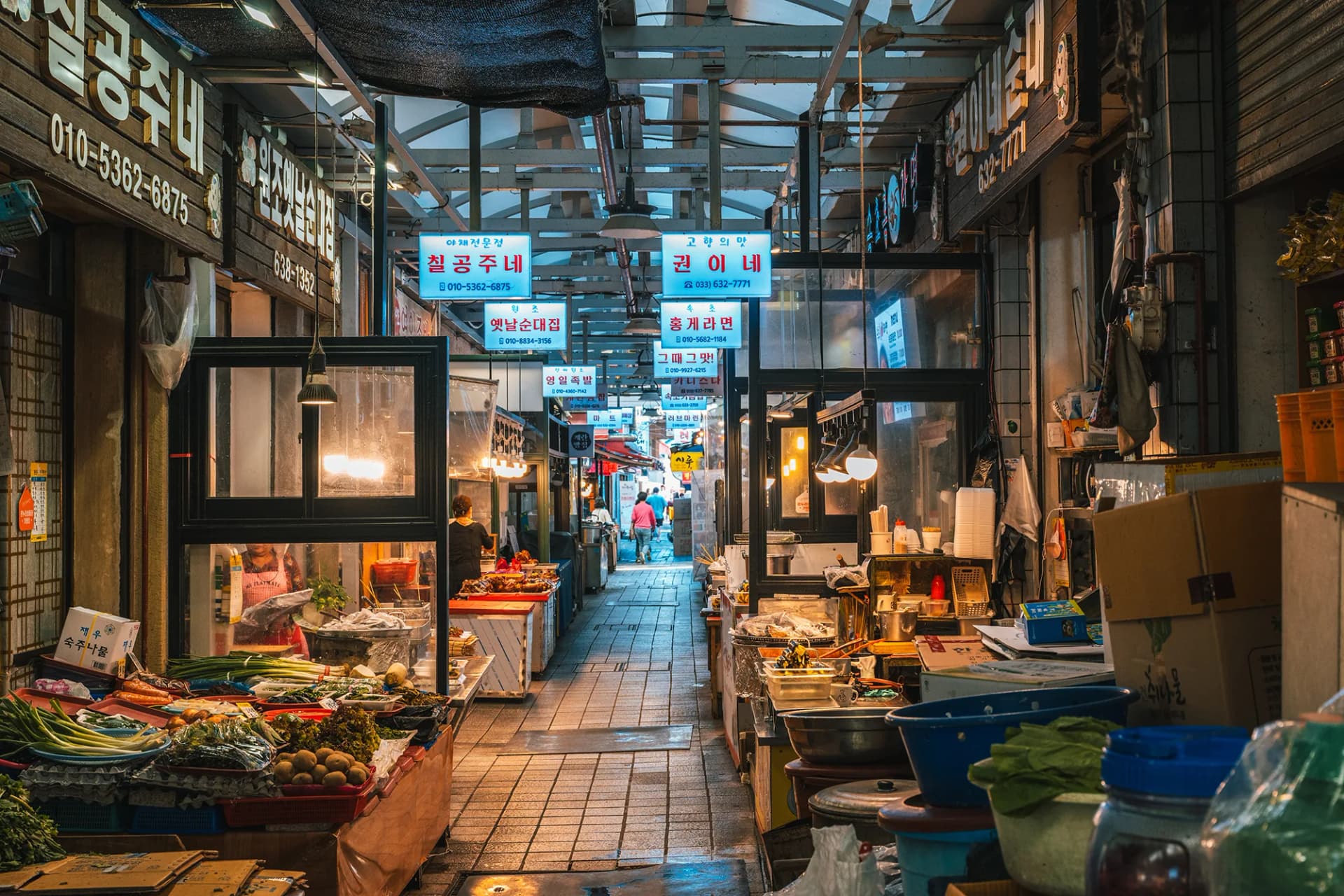
Sokcho Tourist & Fishery Market
속초관광수산시장
Sokcho Tourist & Fishery Market food guide — the market many visitors still call Sokcho Central Market or Jungang Market. Eat dakgangjeong, jeotgal, Abai-style sundae, and live East Sea seafood, with official hours and route tips.
- Food alleys
- 3
- Hours
- 08:00–24:00*
- From cruise port
- 12 min walk
- Also called
- Central/Jungang Market
- Cards
- Most vendors OK
Place guide freshness
Last reviewed on
Reviewed by HeySeorak editorial team
Sokcho market food: quick answer
Sokcho Tourist & Fishery Market is the best first stop for Sokcho market food: start with dakgangjeong in chicken alley, add jeotgal tastings if you want something local to take home, then choose Abai-style sundae or live seafood if you have time to sit down. Many maps and older blogs still call it Sokcho Central Market or Jungang Market — it is the same market.
Why this market matters
The Tourist & Fishery Market — 관광수산시장 — is where Sokcho's food story converges. 26 stalls of rich pollock-roe jeotgal brought south by Hamgyeong refugee families. Dakgangjeong that put the city on the national food map. Abai-style blood sausage from the same displaced lineage. Three food alleys, three distinct stories — each one a different answer to the question what made this city eat the way it does.
Most foreign visitors arrive from a cruise ship or a taxi, glance around the front entrance, eat one snack, and leave. That's a mistake. Pick the alley that matches what you came for, and you'll eat better in 30 minutes than most Seoul visitors do in a full day. (The basement fishery hall is still there for sashimi and live catch — it's just not one of the three food-alley stories.)
The three food alleys
Dakgangjeong Alley
닭강정골목
20+ stalls making sweet-spicy fried chicken all at once. The alley that put Sokcho on the national food map — and still worth the trip.
Jeotgal Fishery Alley
젓갈어시장골목
26 stalls of Korean salted and fermented seafood — myeongnanjeot (pollock roe), gajami-sikhae (flatfish), myeongtae-hoe-muchim, changnanjeot. The alley where Sokcho's refugee food lineage became the East Sea's most exported flavor.
Sundae Alley
순대골목
Abai-sundae (Hamgyeong-style blood sausage) and ojingeo-sundae (stuffed squid) — refugee food that became Sokcho's signature. Smoky, peppery, unapologetically regional.
If you only have 30 minutes
- First bite
- Buy a small dakgangjeong cup or box first. It is the fastest signature food and works even if you are not ready for a full meal.
- Identity stop
- Walk the basement fishery hall or Raw Fish Center next. Even if you do not eat sashimi, this is where the market's East Sea identity becomes obvious.
- Local flavor
- Taste one or two jeotgal samples before you leave. Vacuum-packed salted seafood is the most portable Sokcho-specific souvenir.
- Skip if rushed
- Save sundae alley for a longer visit. Abai-sundae and ojingeo-sundae are better as a seated meal than a hurried snack.
Know before you go
- Official name
- Sokcho Tourist & Fishery Market (속초관광수산시장). Sokcho Central Market and Jungang Market are older/common names for the same place.
- Official hours
- VisitKorea lists 08:00–24:00, with operating hours varying by store. For food, plan around 10:00–20:00 unless you are checking a specific stall.
- Best time
- Before 11am for the jeotgal alley (freshest tubs, generous tastings). Before 6pm for dakgangjeong (lines double after dinner).
- Cash?
- Most stalls accept card, but keep 10,000–20,000 KRW cash for snack-sized purchases in the sundae alley.
- Parking
- VisitKorea lists 350 parking spaces and notes a parking voucher for customers with a 15,000 won receipt. Weekend lots still fill quickly.
- Cruise arrivals
- Start with dakgangjeong — short line, eat-as-you-walk, sets the pace. Save jeotgal for the end since it's a take-home purchase.
- Bags
- If you are carrying luggage, check the free drop-off option at Yes Su-san before walking the alleys.
- Allergies
- Jeotgal alley is dense with pollock, shrimp, squid, and anchovy, all chili-dressed. Dakgangjeong uses gluten and soy. Always say 알레르기 있어요 (al-le-reu-gi iss-eo-yo) plus the ingredient.
- Vacuum packing
- Jeotgal vendors vacuum-seal (진공포장) for free. Airline carry-on compatible for most countries, but double-check your return flight's rules.
- Bathrooms
- One central bathroom near the basement fishery hall. Free, but expect a queue on weekends.
- Festival season
- October's Seorak Festival includes a dedicated jeotgal festival (젓갈축제) with discounted multi-jar sets and demonstrations.
Frequently Asked Questions
What is the difference between Sokcho Tourist & Fishery Market and Jungang Market?
What food is Sokcho Tourist & Fishery Market famous for?
What are Sokcho market opening hours?
Which alley should I visit first if I only have 30 minutes?
Is there parking?
Can I pay by card?
How long should I spend at the market?
Pair with a plan
Related collections
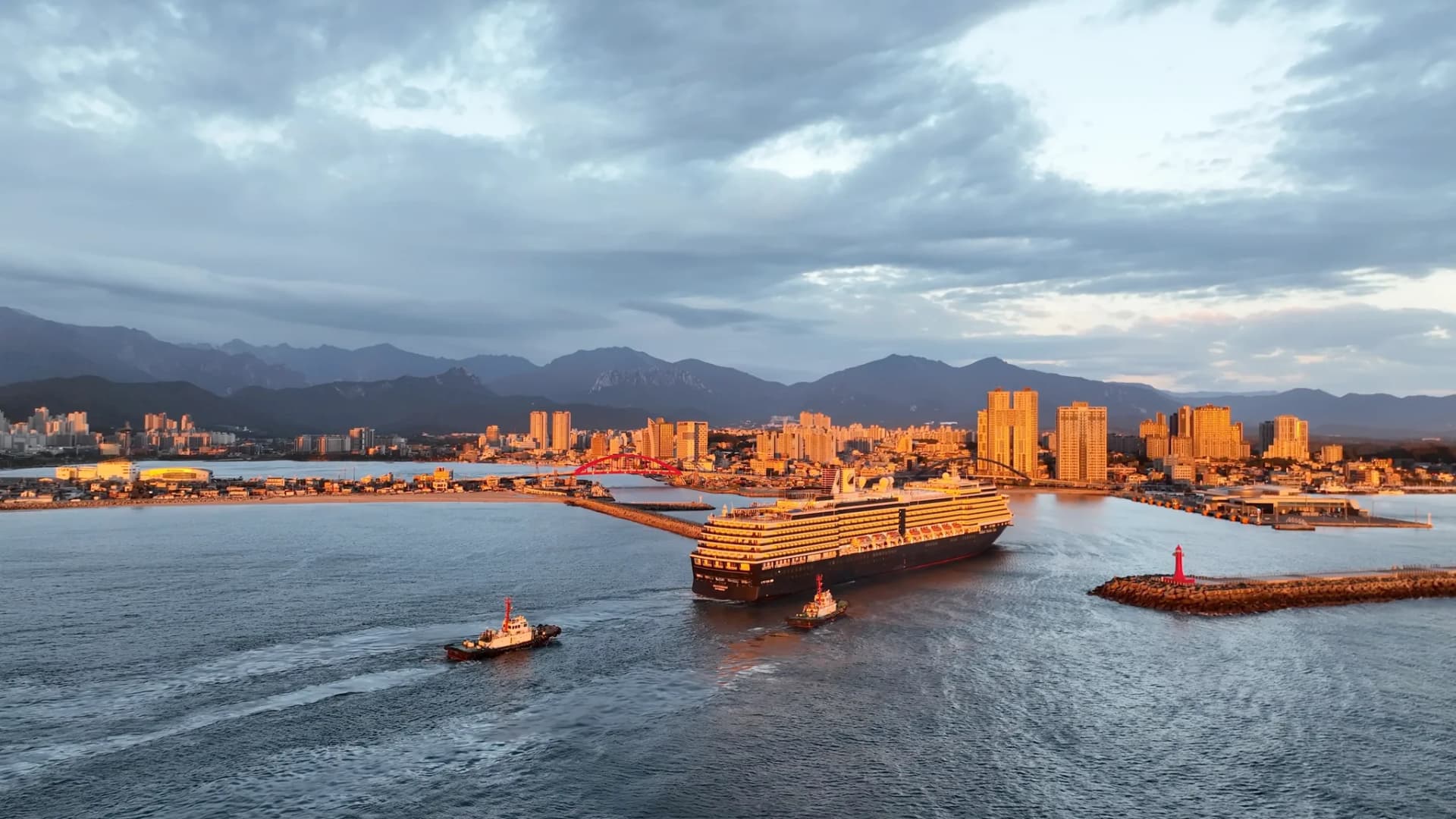
Sokcho Cruise Port Walking Route: Terminal to Market
Sokcho cruise port walking route: terminal to Abai Village, the 500 KRW Gaetbae ferry and the Tourist & Fishery Market in 1 km, with restrooms and Wi-Fi.
- 2 hours
- 11 picks
Rainy Day in Sokcho: Museum X, Pinodia & Hot Noodles
Rainy-day Sokcho route with hot noodles, Museum X, Pinodia, Seodam Ssalguksu, Alive Heart, and Happy Owl House, updated with 2026 hours and ticket checks.
- Half to full day
- 7 picks
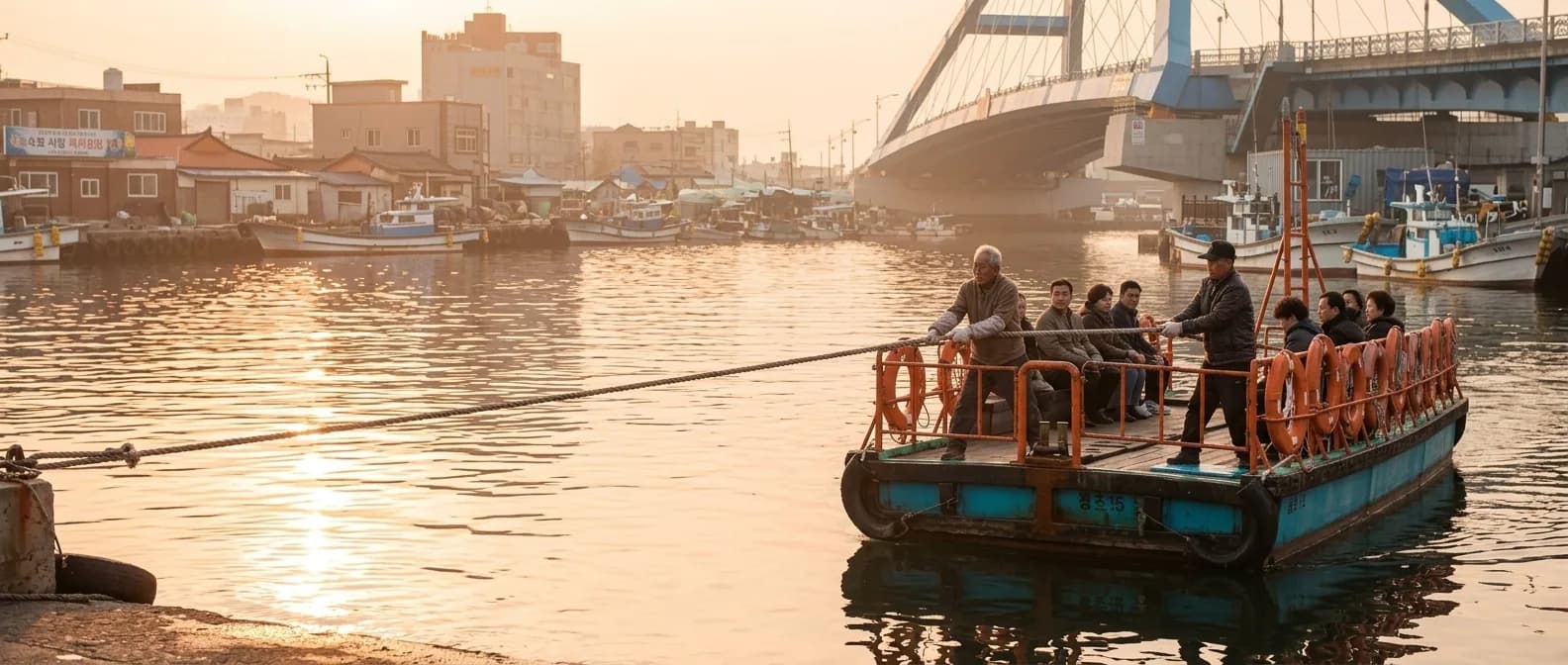
Half-Day in Sokcho
A walkable half-day Sokcho itinerary linking the market, Abai Village, the hand-pulled ferry, and a final sea view without wasting time on backtracking.
- 4 hours
- 6 picks