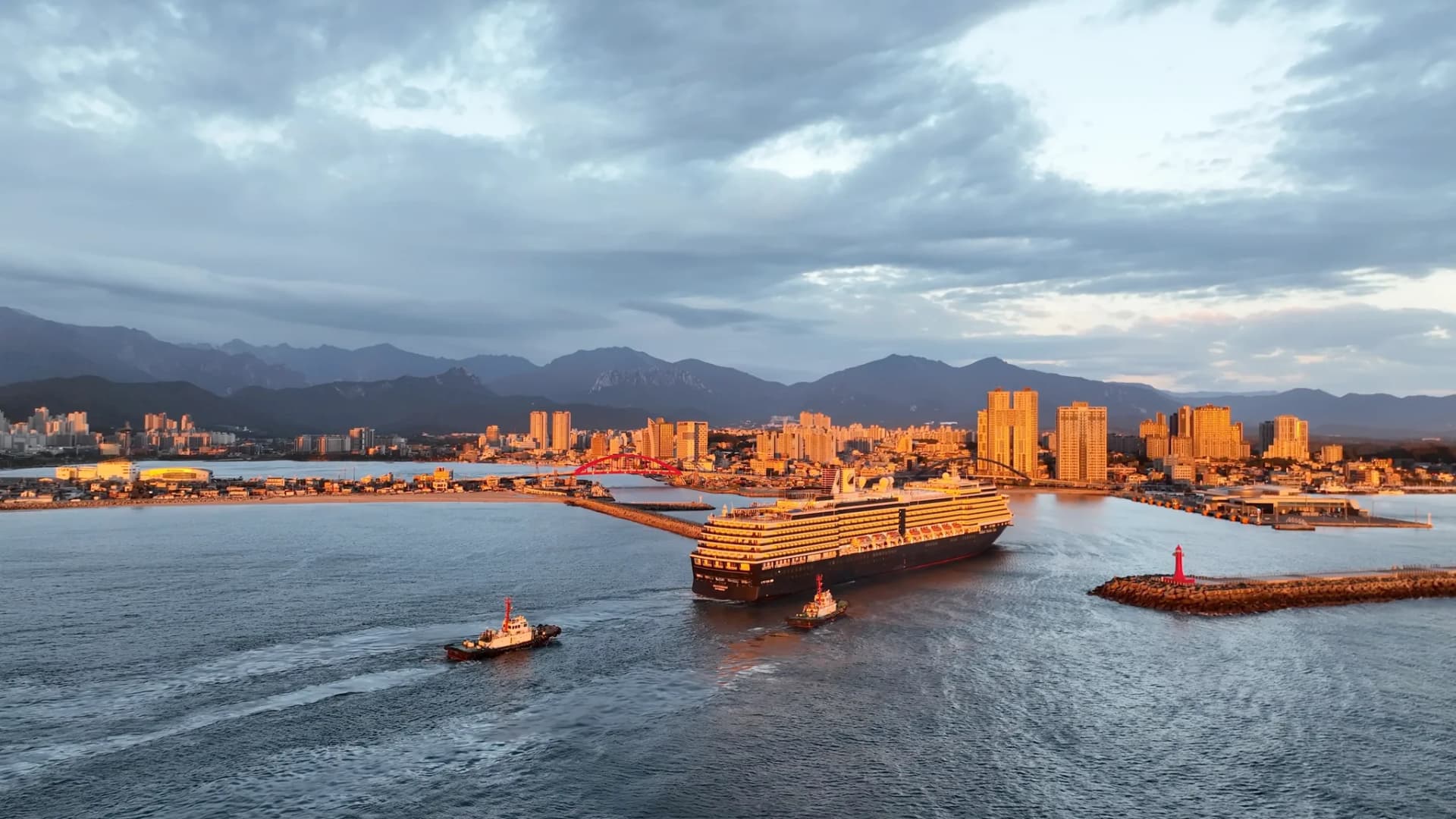
A real half-day in Sokcho is not enough time for Mt. Seorak, a beach break, a full seafood lunch, and a "quick" look at Abai Village. The right move is to stay in the city core and let the places sit close together. In Sokcho's 2025 third-quarter tourism data, the Tourist & Fishery Market and Sokcho Beach ranked No. 1 and No. 2 in Gangwon navigation searches, and 2025 citywide tourism spending reached KRW 648.4 billion, up KRW 26.9 billion year over year. That is the signal: the urban side of Sokcho is no longer filler between bigger stops.
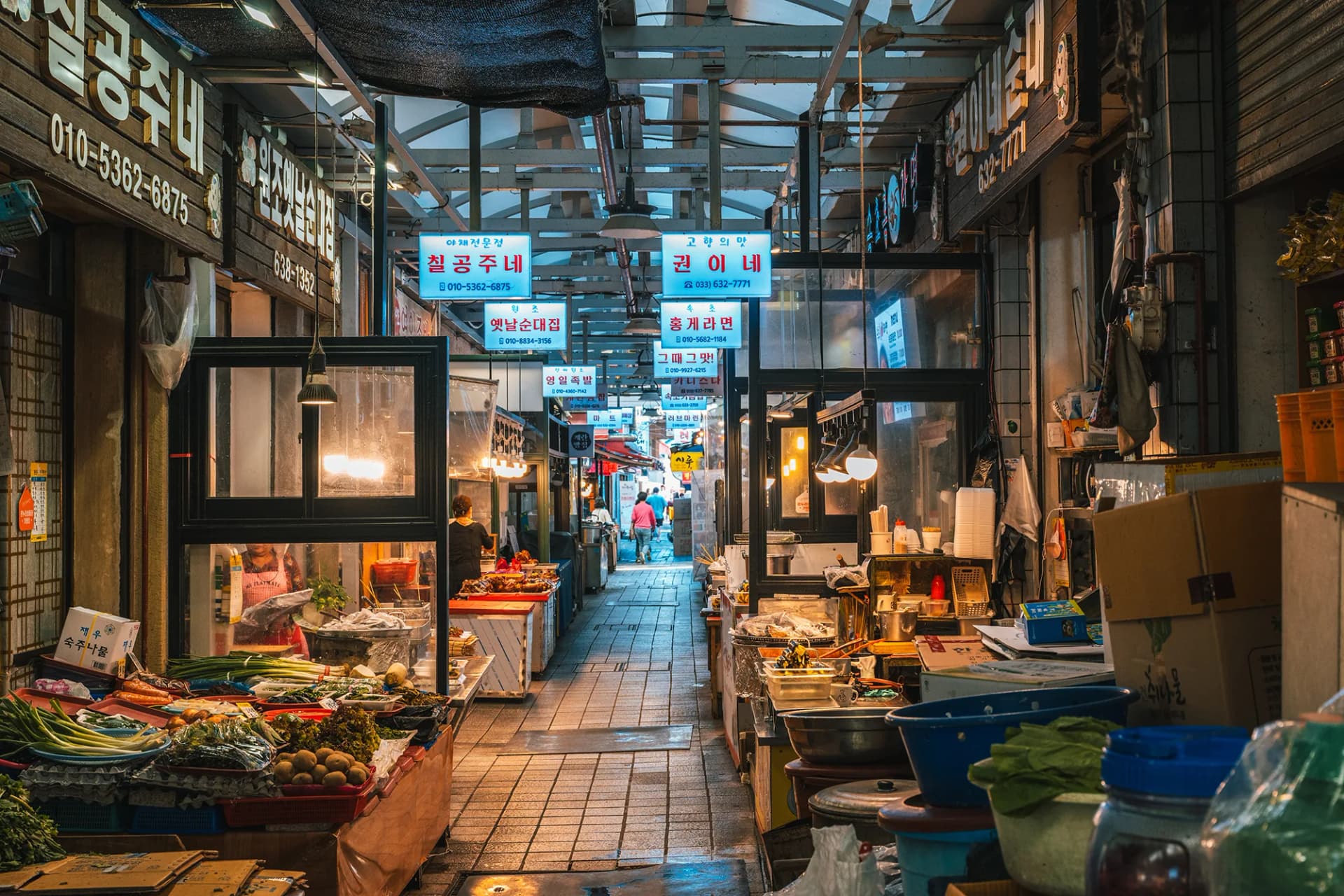
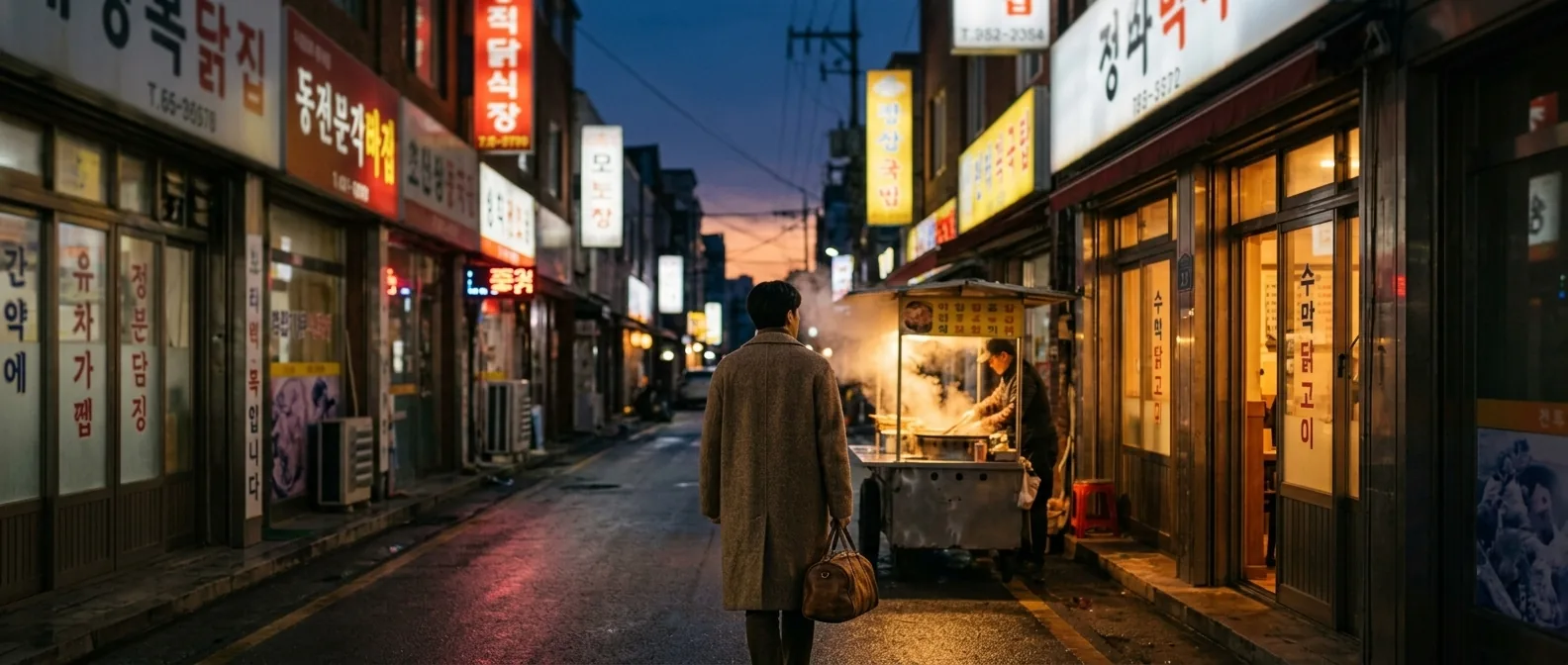
This collection works because the sequence has almost no wasted movement. Market first, then the gaetbae, then Abai Village, then one final view before you stop. You are always moving forward, and every stop changes the mood a little: loud food market, short ferry crossing, slower village streets, then open sea and skyline.
Quick take
- Best for: first-timers with 4 to 5 usable hours, cruise overnights, and anyone who wants a compact Sokcho route without renting a car
- Best meal strategy: snack once, eat once, then stop trying to "cover" everything
- Budget: about KRW 20,000 to 45,000 per person if you keep lunch moderate
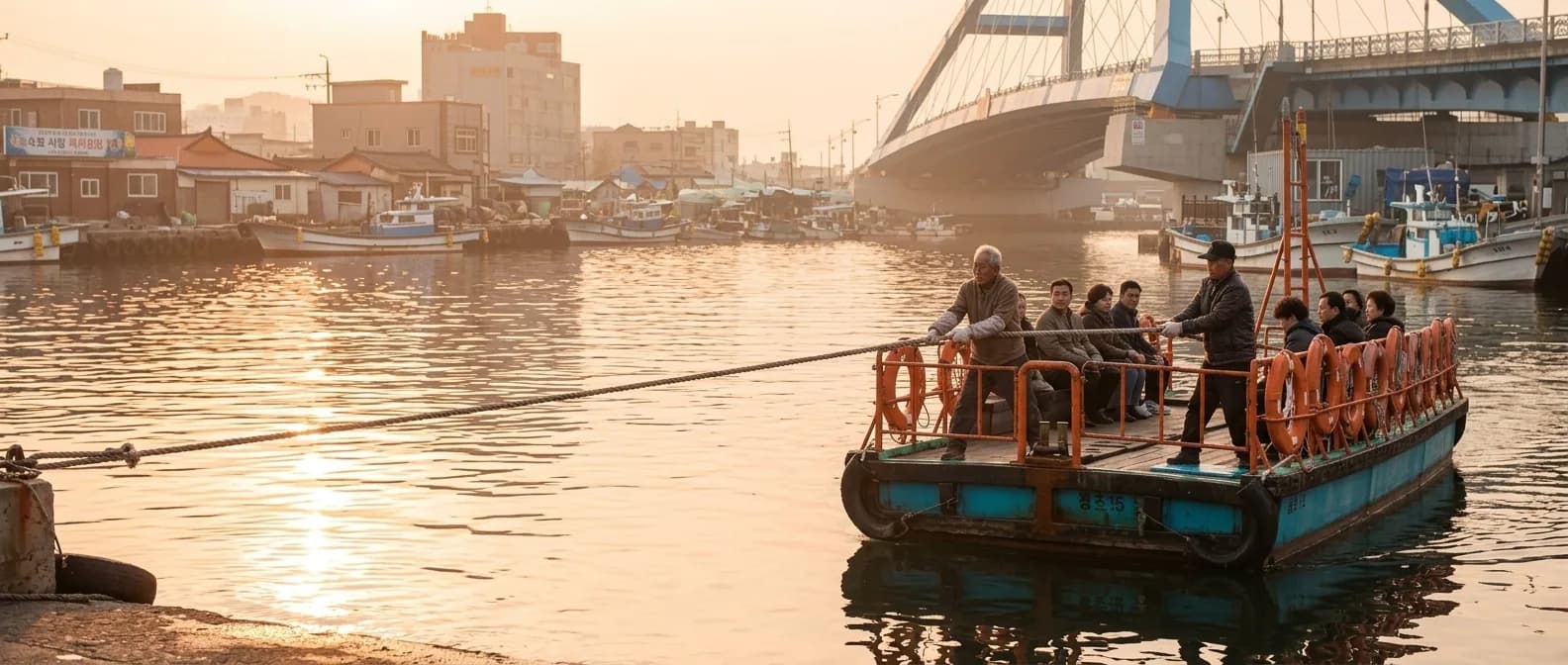
- One number to know: the Abai Village gaetbae runs 04:30 to 23:00, costs KRW 500 for adults and KRW 300 for children and youth, and takes cards at a kiosk on the Abai side — crossing from the market, you board first and pay when you land
Why this route beats forcing in the mountain
People underestimate how much time Sokcho's short-distance friction adds up. One slow taxi queue, one oversized lunch, or one detour toward Mt. Seorak and half the window disappears. This route avoids that trap by using the highest yield city-side experiences: the market for immediate food payoff, the ferry for something uniquely local, and Abai Village for context you cannot get from the beach alone.
The ferry is the emotional hinge. It is still a hand-pulled crossing, still cheap, and still slower than modern Korea usually allows itself to be. That small change of tempo is exactly why the route works.
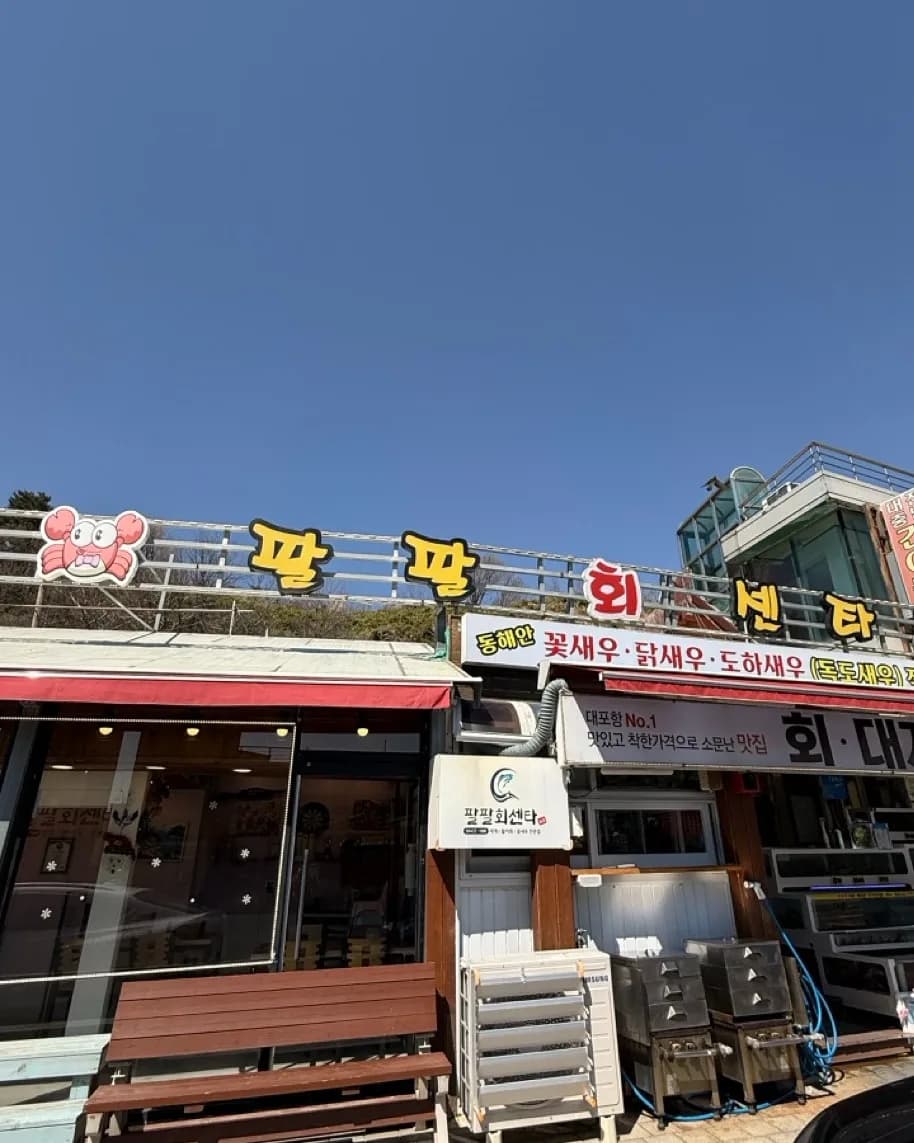
The Daepo lunch is the other fixed point. 팔팔회센타 has been on the port since 1988, now four generations deep in one family. In 1996 they invented the Daepo 크랩세트 — crab, sashimi, seasonal seafood sides, and spicy fish stew on one table — and every serious seafood restaurant in Sokcho eventually copied the format. Eating there is eating through the template itself. The C-set (2-person) is the right size for a half-day; the A/B sizes are built for groups.
Pace it properly
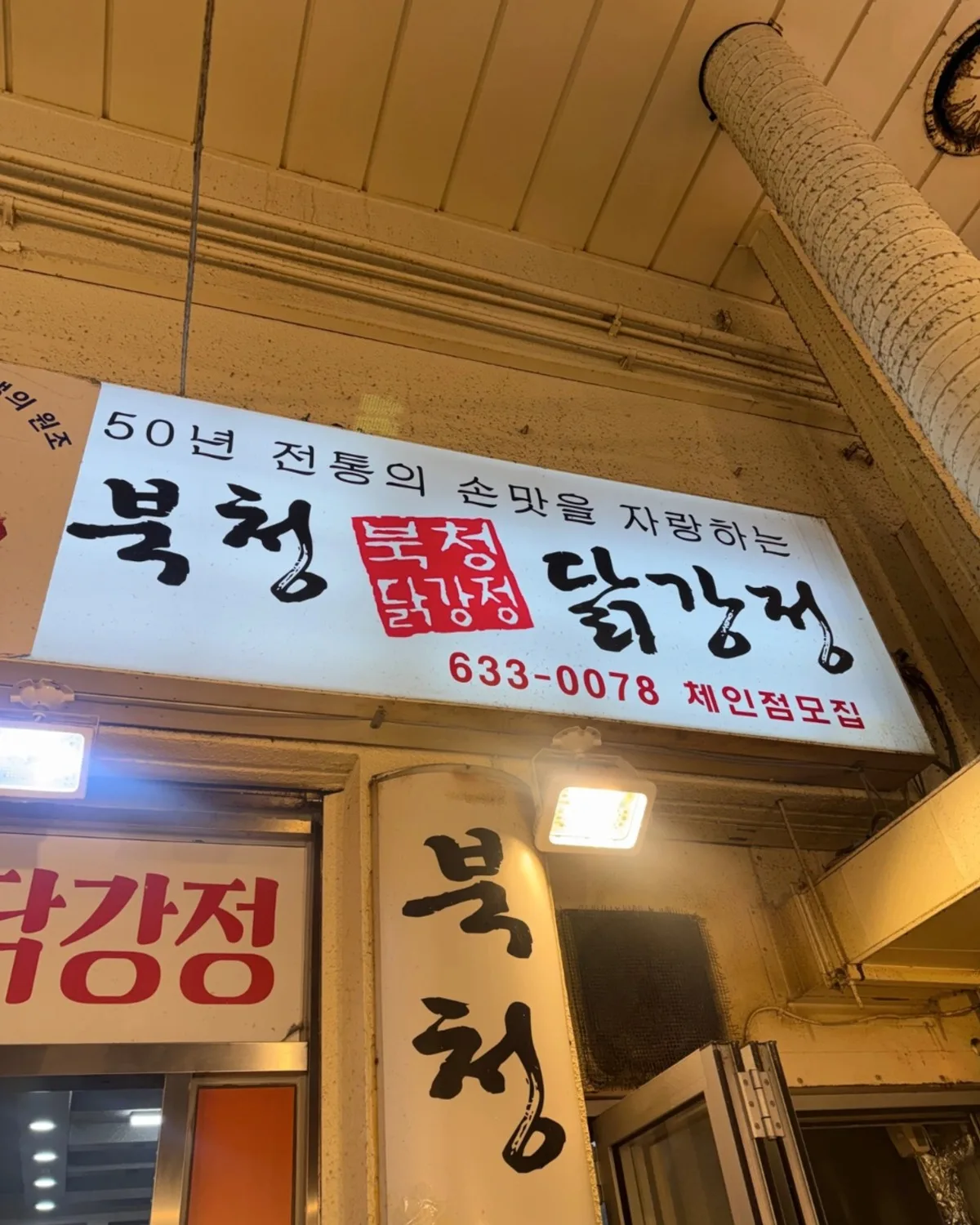
The biggest mistake on this route is overeating at stop one. Dakgangjeong is a snack, not lunch. If you turn it into lunch, the rest of the route becomes a slow food recovery exercise.
Aim to keep the market segment under 90 minutes, including your sit-down meal. That leaves enough time for the ferry, a village loop, and one last viewpoint without rushing the photograph moments that actually make the half-day feel complete.
If the light is turning good earlier than expected, cut the optional second food stop and protect the final view. Sokcho rewards timing more than volume.
What to skip
- Do not add Mt. Seorak. It is a half-day destination by itself, not a side quest.
- Do not book a remote hotel for the same day and then try to "fit this in" around check-in.
- Do not assume the ferry is still 200 won. The latest public tourism listing is higher, and outdated blog prices are common.
If you want a longer version of this logic, read Sokcho 2-Day Itinerary. If you are doing the city without a rental, Sokcho Without a Car is the practical companion. If lunch is the real anchor, the Seafood Market Guide helps you choose where to spend the money.