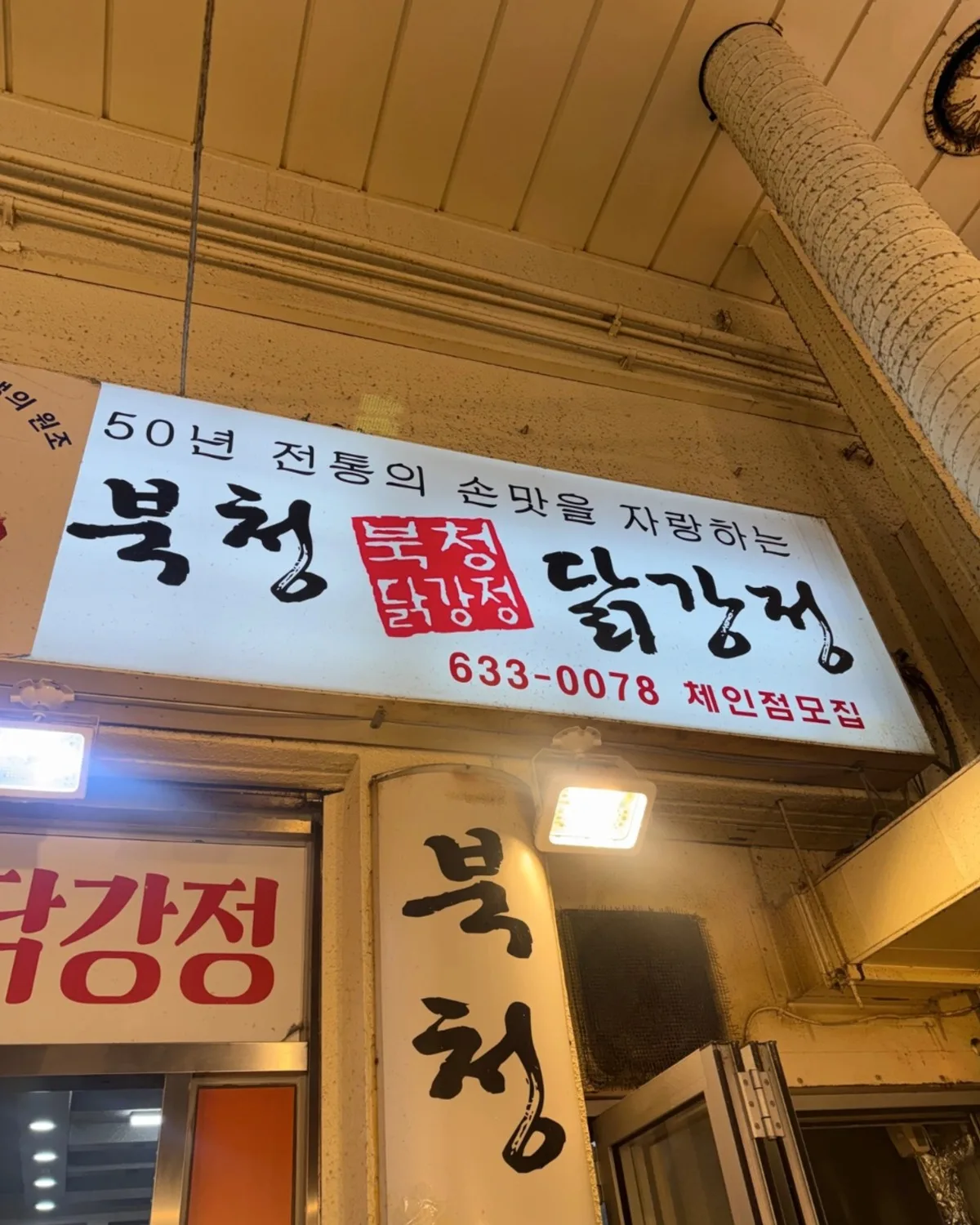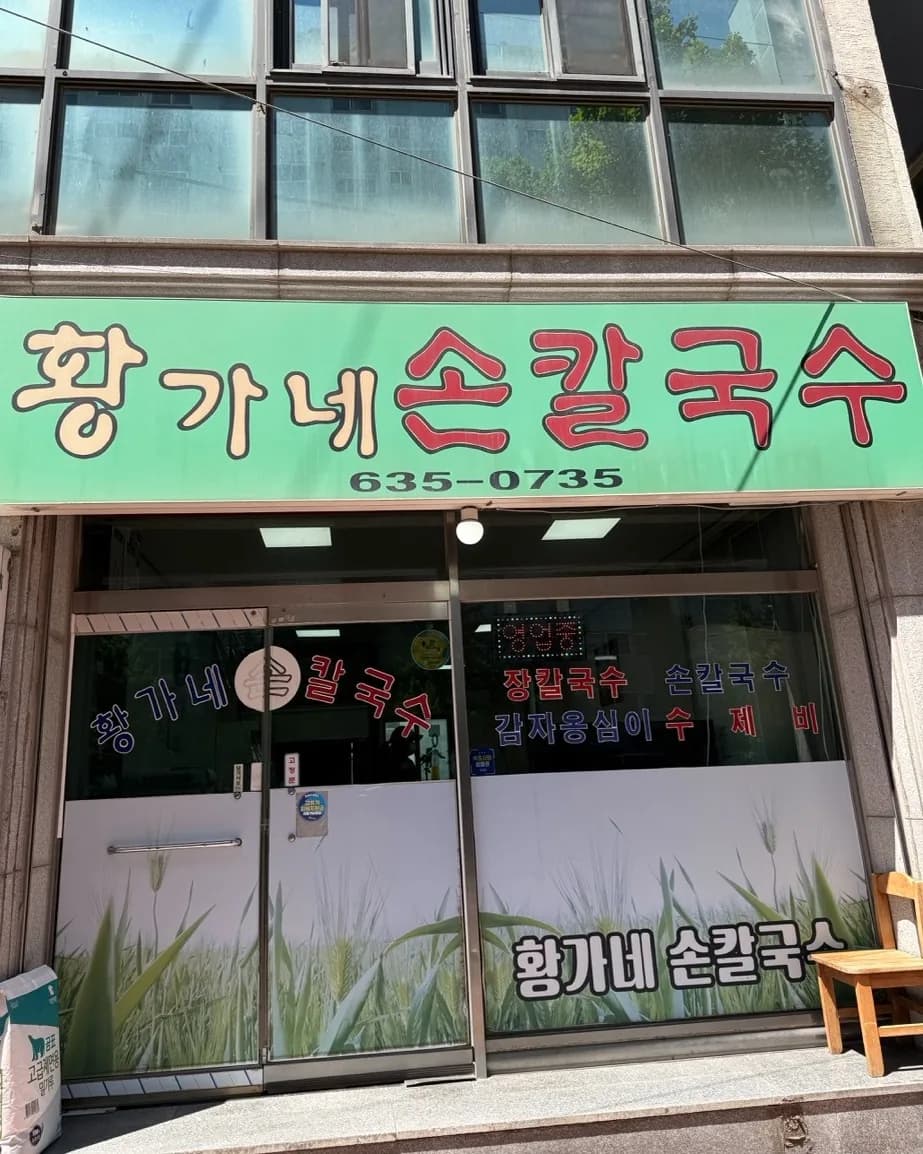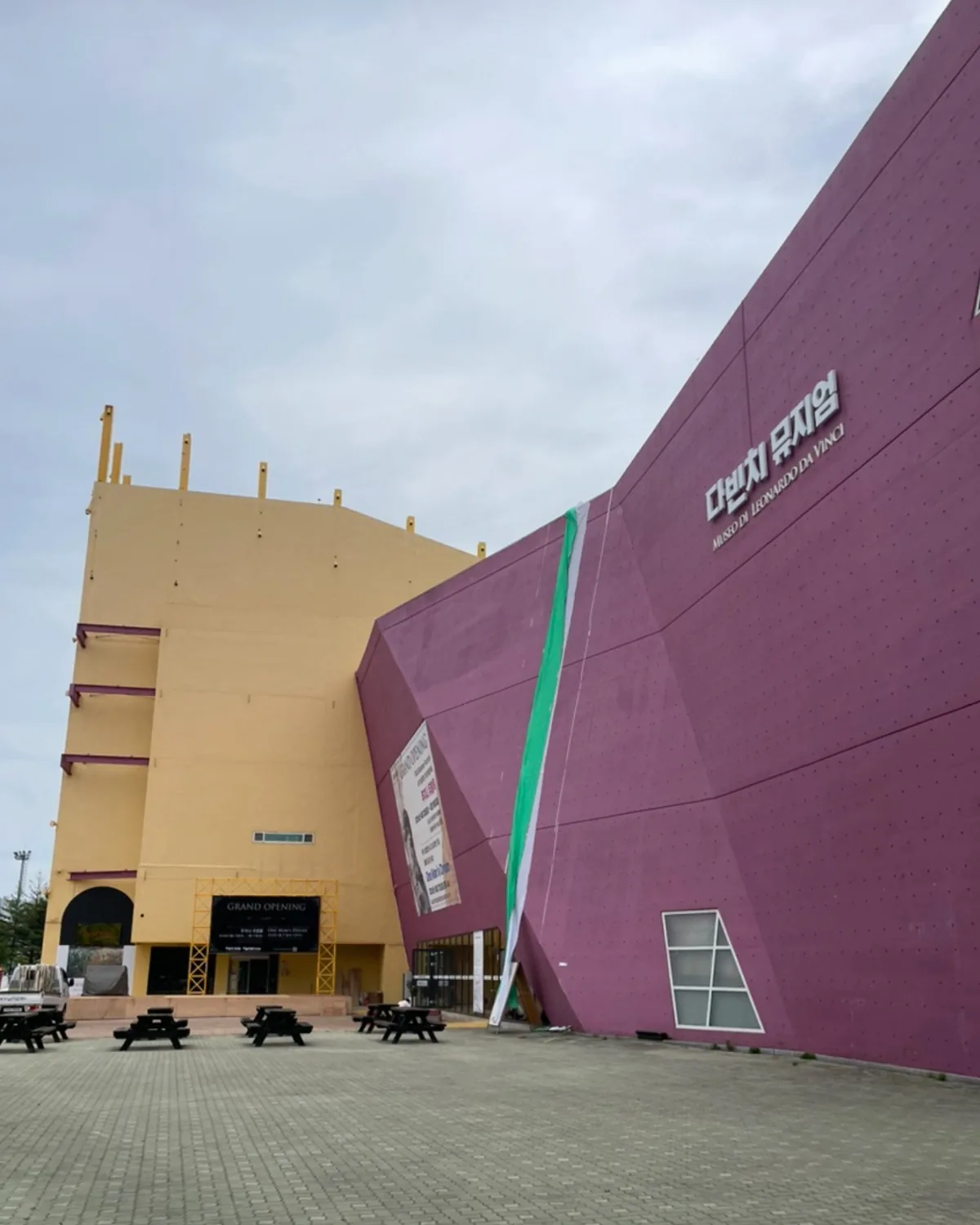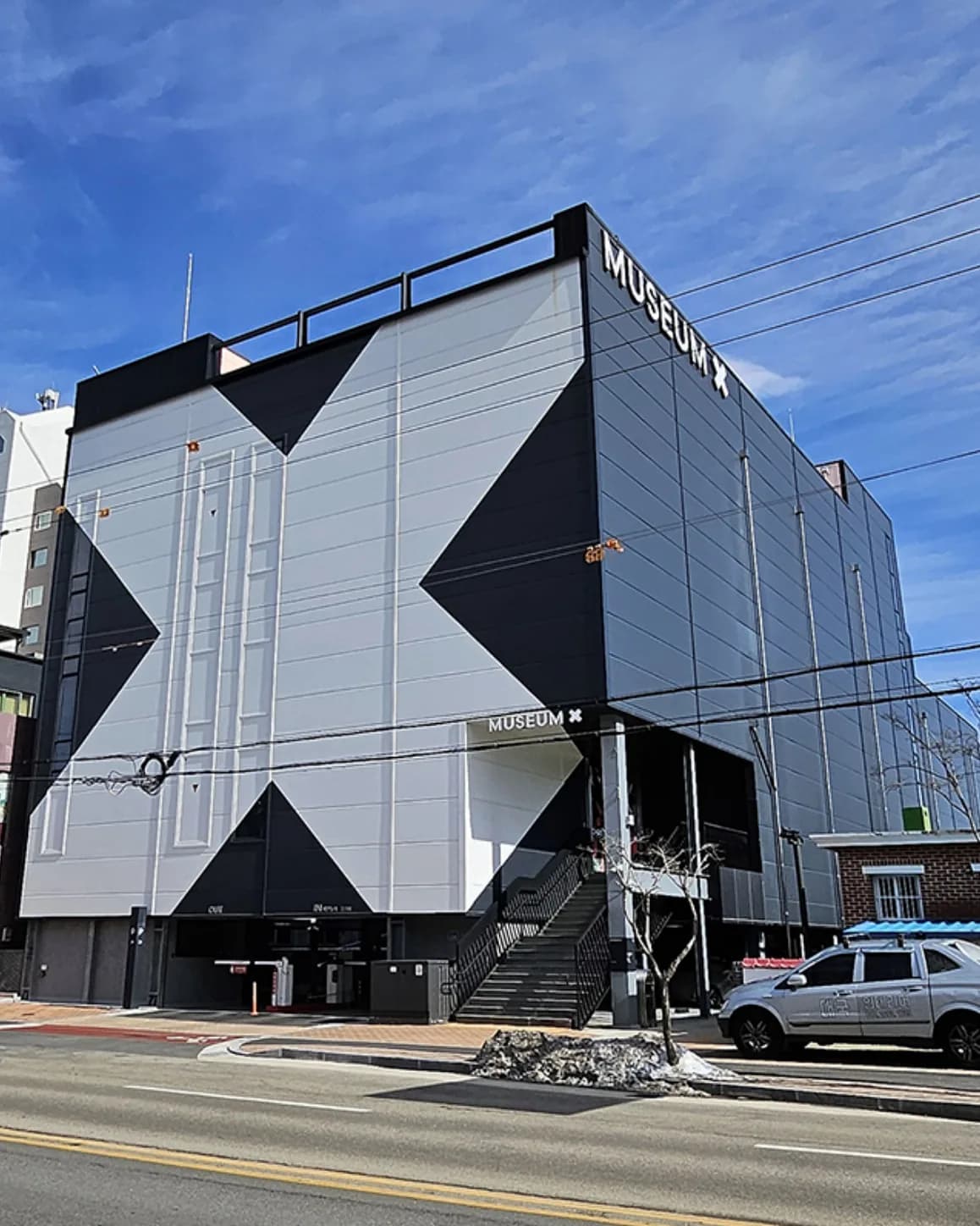
Rainy day in Sokcho is not a ruined Seoraksan day. It should become a warm food route plus a real indoor route: the Sokcho Tourist & Fishery Market for a covered warm-up, Hwanggane Son Kalguksu for a proper hot bowl, then Pinodia and Museum X if the rain is steady enough to justify paid indoor time.
The mistake is trying to keep the sunny-weather itinerary alive with an umbrella. The better move is to reduce random transfers, eat well, and use the indoor spaces that actually fit the weather. Museum X and Pinodia are not afterthoughts here. They are the reason this route can still feel like a day out, while Seodam Ssalguksu, Alive Heart, and Happy Owl House give the route practical branches: one for a south-start noodle lunch, one for Seorak-side family play, and one for a quieter small-museum stop.
Quick take
- Best for: wet spring weekends, summer monsoon days, typhoon-edge afternoons, winter wind, and any trip where Seoraksan visibility disappears
- Core move: stay covered for food, then make the paid indoor stops deliberate instead of drifting between small cafes
- Full rainy-day order: market snack -> Hwanggane Son Kalguksu -> Pinodia -> Museum X
- Half-day order: market snack -> Hwanggane Son Kalguksu -> Museum X
- South-start order: Seodam Ssalguksu -> Pinodia -> Museum X
- Seorak-side branch: Alive Heart or Happy Owl House only when you have a car, a taxi budget, or lodging near Seoraksan/Waterpia/Sorano
Start with heat, not scenery
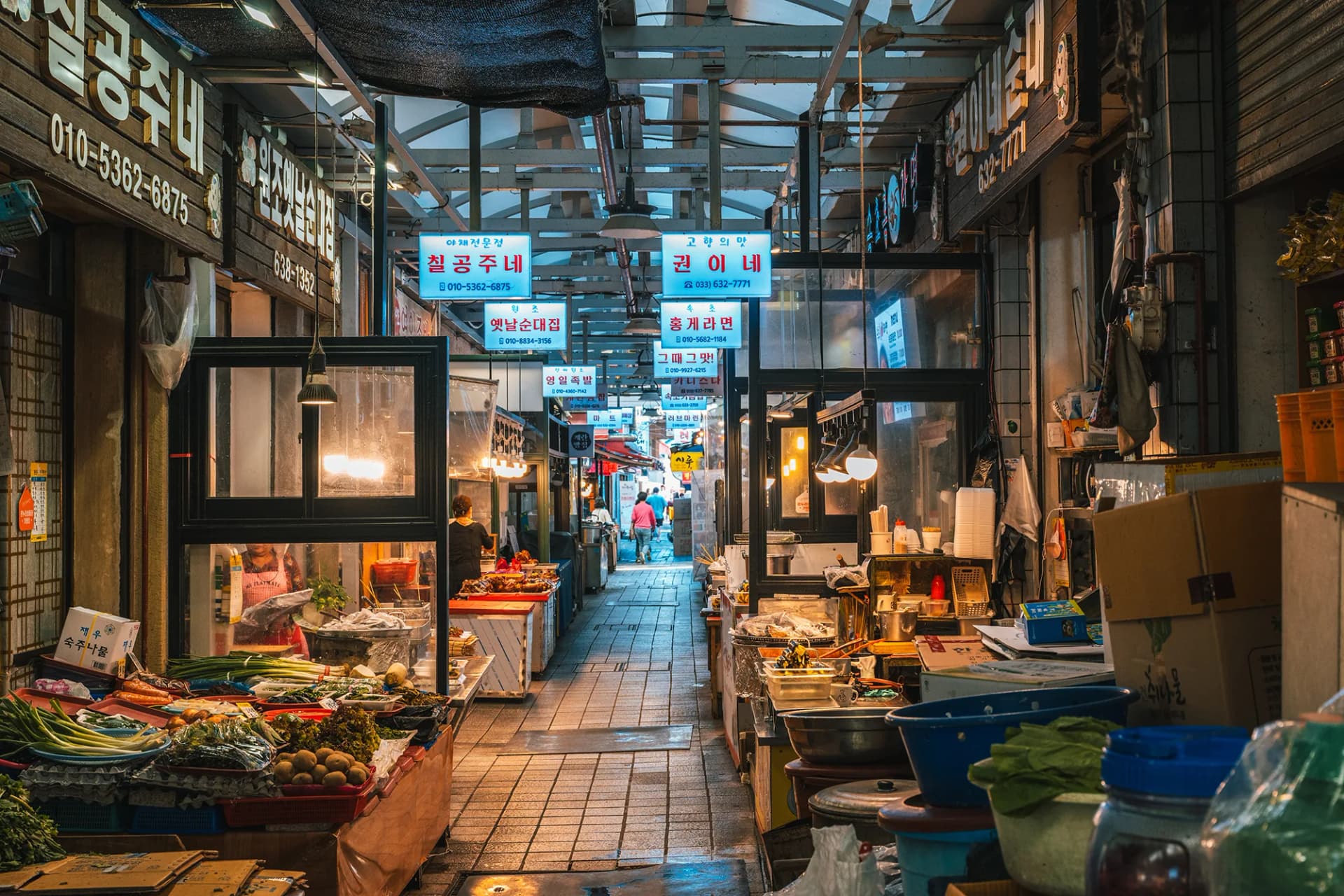
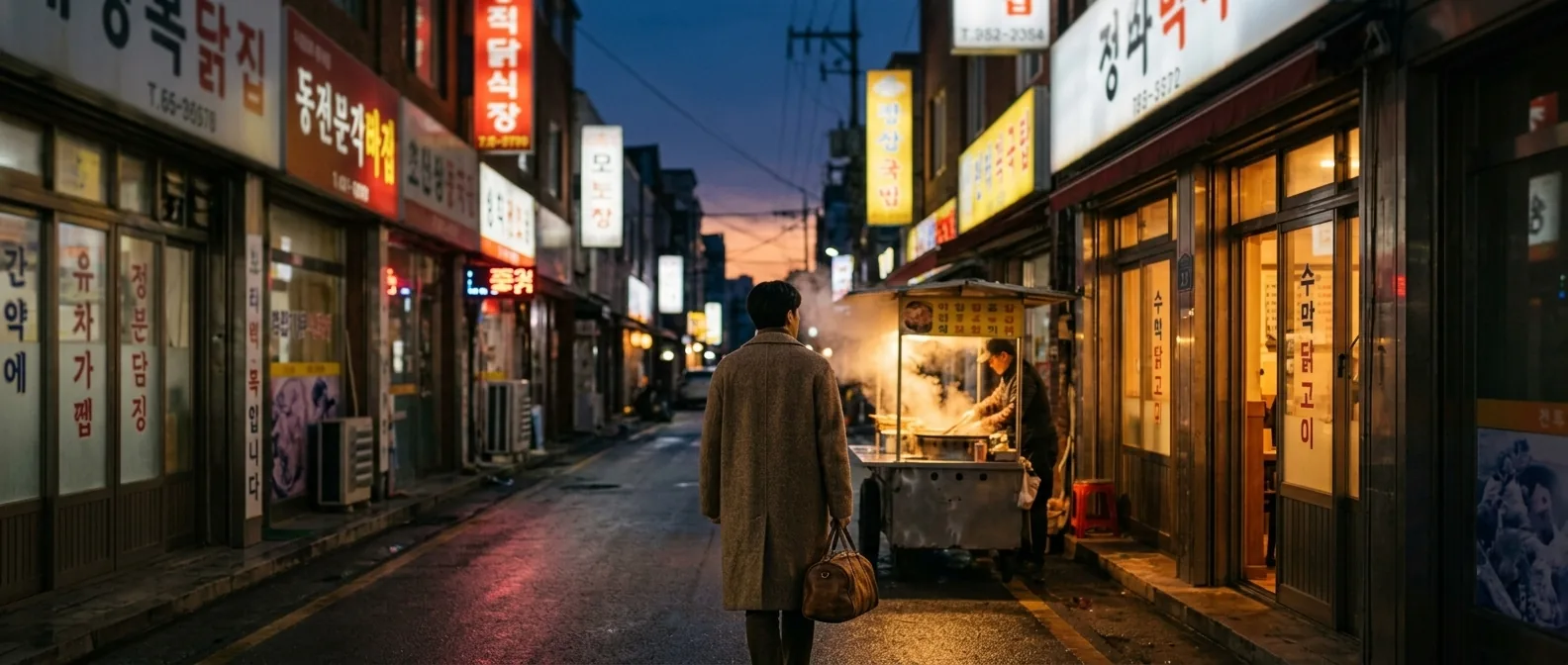
Sokcho's beach and mountain are visually strongest in good weather, but the market is emotionally strongest in bad weather. It gets warm fast. The smells hit immediately. You can walk for ten minutes, eat one small thing, and feel like the day is still alive instead of cancelled.
That is why this collection begins with dakgangjeong but does not turn the market into the whole meal. Rainy-day comfort needs broth. After the first snack, move to Hwanggane Son Kalguksu for son-kalguksu, jang-kalguksu, or sujebi. It is plain, local, hot, and easy to understand: handmade wheat noodles or torn dough in a clam-based broth, with sharp kimchi on the side.
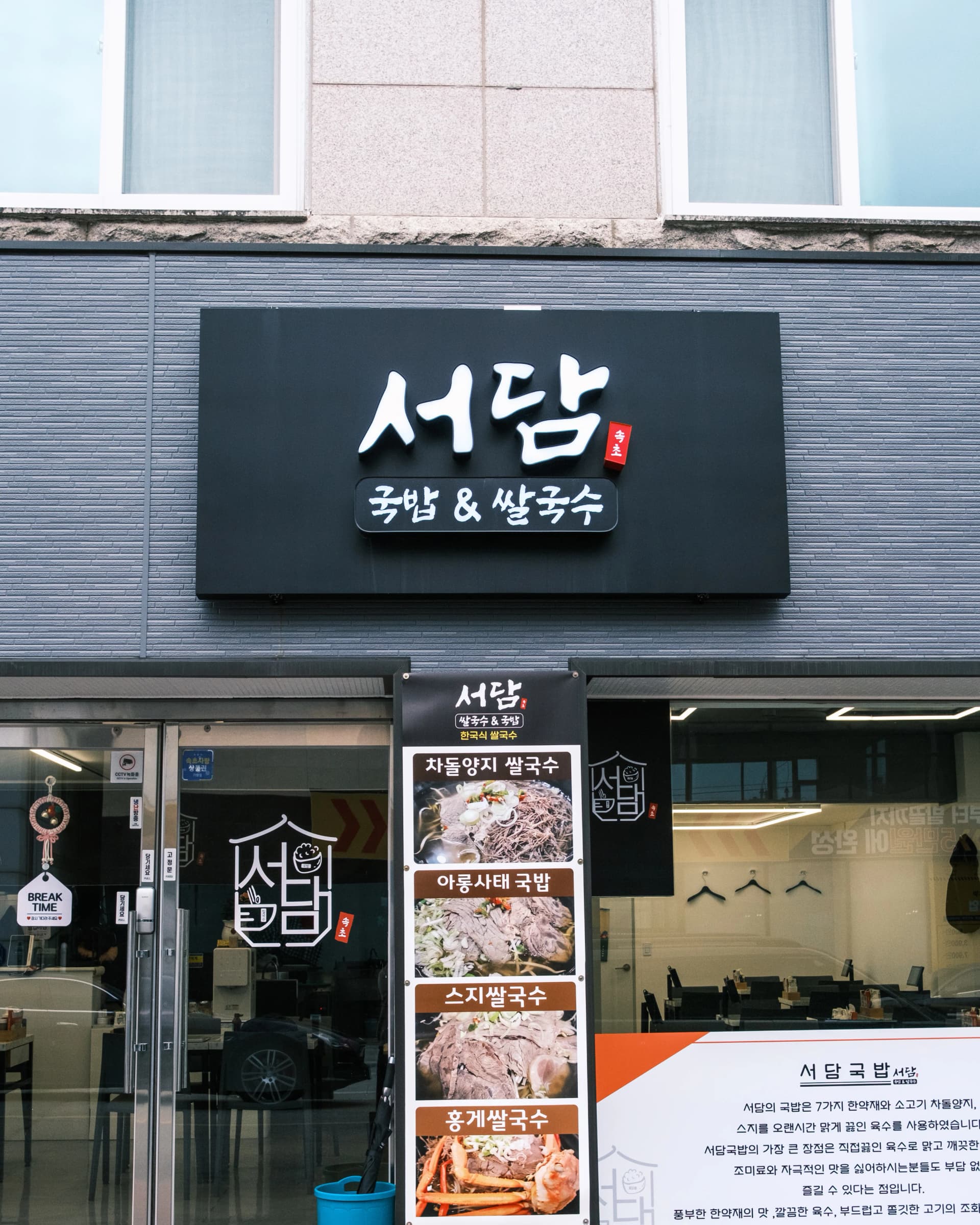
If you are starting from Sokcho Beach, the Express Bus Terminal, or the Expo district, Seodam Ssalguksu can replace Hwanggane. It is more destination-worthy and has a stronger visitor story, especially the whole red crab rice noodle soup. The tradeoff is timing: the crab bowl is limited, ingredients can sell out, and there is a 15:00-17:00 break on most days. For the default rainy-day route, Hwanggane is the safer lunch anchor.
Use the route, not a checklist
The front-card order is meant to keep the movement realistic. It is not saying every traveler should buy every ticket.
| Starting point | Best rainy-day movement | Why it works |
|---|---|---|
| Market / downtown | Market snack -> Hwanggane -> Pinodia -> Museum X | Warm food first, then Cheongchoho indoor block, then northern media-art finish |
| Beach / Express Bus Terminal / Expo | Seodam -> Pinodia -> Museum X | Less backtracking, stronger if the day starts south of the market |
| Half-day rain | Market snack -> Hwanggane -> Museum X | Keeps the route short and still feels like a plan |
| Seorak-side lodging or car trip | Alive Heart or Happy Owl House | These are west of downtown, so they make sense as separate car/taxi branches |
For most visitors, the real decision is simple: add Pinodia before Museum X if rain is all-day and you want a museum-heavy afternoon. Skip Pinodia if you only need one strong indoor stop.
Add Museum X when the rain is not letting up
Museum X belongs in this rainy-day route because it changes the day from "waiting out weather" to "doing something that actually fits the weather." The official Museum X page lists daily operation from 10:00 to 18:00, with last entry at 17:00, at 338 Jungang-ro in northern Sokcho. That makes it easiest after the noodle lunch or after a longer Pinodia block if the rain still has not broken.
The basic Museum Pass covers 14 Museum X contents. The AI package adds SketcherX and Composer experiences, including an AI portrait robot and a custom fantasy background photo feature. For a rainy day, the practical value is simple: it is visual, mostly indoor, low-language-barrier, and photo-friendly without needing a clear mountain or beach view.
| Museum X choice | Use it when | Current official price check |
|---|---|---|
| Museum Pass | You want the core media-art route and photos | Adult KRW 23,000 / child KRW 19,000 |
| Museum Pass + AI Package | You specifically want SketcherX and Composer | Adult KRW 30,000 / child KRW 26,000 |
Pick the right indoor branch
These indoor stops solve different rainy-day problems. Put them in the route because they fit your starting point, not because the forecast looks bad.
| Indoor stop | Best fit | Rainy-day note |
|---|---|---|
| Pinodia | Longer Cheongchoho/Expo district museum block | Best when the rain is all-day or you are starting near Expo / beach |
| Museum X | Modern media art, families, couples, photo-heavy trips | Best single paid anchor and the easiest half-day choice |
| Seodam Ssalguksu | Whole red crab rice noodles, beach / terminal / Expo start | Best as the Hwanggane replacement when you begin south of downtown |
| Alive Heart | Active indoor play, trick-art photos, kids/teens | Best paired with the Seorak-side branch, not downtown walking |
| Happy Owl House | Owl collectibles, fabric art, quieter small-museum mood | Best as the 7th card for a Seorak-side branch when you want something calmer than Alive Heart |
Pinodia is not just "another indoor place." It is the reason the route can turn into a proper full-day rainy plan. Its official home page currently says 09:00-18:00 with last entry at 17:00, plus a 7/10-8/20 summer extension to 19:00. Its detailed official guide also lists a broader May 1-October 31 summer schedule, with weekdays 09:00-18:00 and weekends/holidays 09:00-21:00. Because those two official pages do not perfectly match, plan around 18:00 unless booking or calling confirms the later evening window.
The fee page is cleaner: Da Vinci Museum and Michelangelo Museum are each KRW 15,000 for adults, while the integrated adult ticket is KRW 30,000 full price or KRW 26,000 discounted. The official guide estimates about 1 hour 30 minutes for each of the Da Vinci and Michelangelo museums, which is why Pinodia should be treated as a real block, not a quick shelter stop.
Seodam Ssalguksu stays in the route because it answers a different rainy-day food problem than Hwanggane. Hwanggane is the safer downtown default after the market. Seodam is the better south-start bowl if you are already near Sokcho Beach, the Express Bus Terminal, or the Expo district and want the whole red crab rice noodle soup before Pinodia.
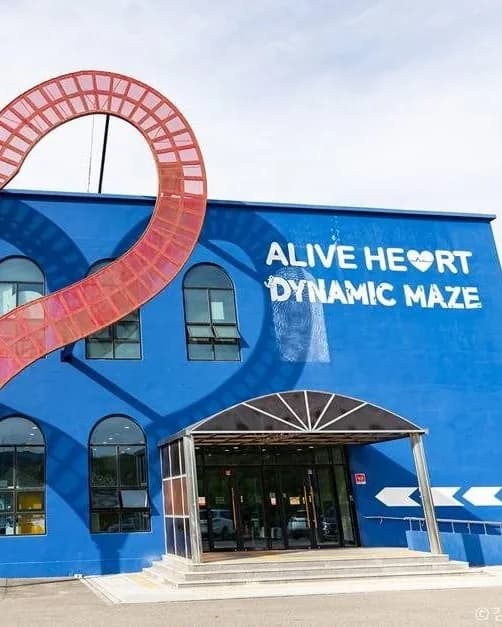
Alive Heart is the more active Seorak-side fallback. The VisitKorea accessible travel page lists it as an indoor trick-art and Dynamic Maze attraction at 88 Wonamhaksapyeong-gil, open 10:00-17:50 with last entry at 17:00. It is not the same mood as Pinodia or Museum X, but it is useful when children need movement and photos more than a quiet exhibition.
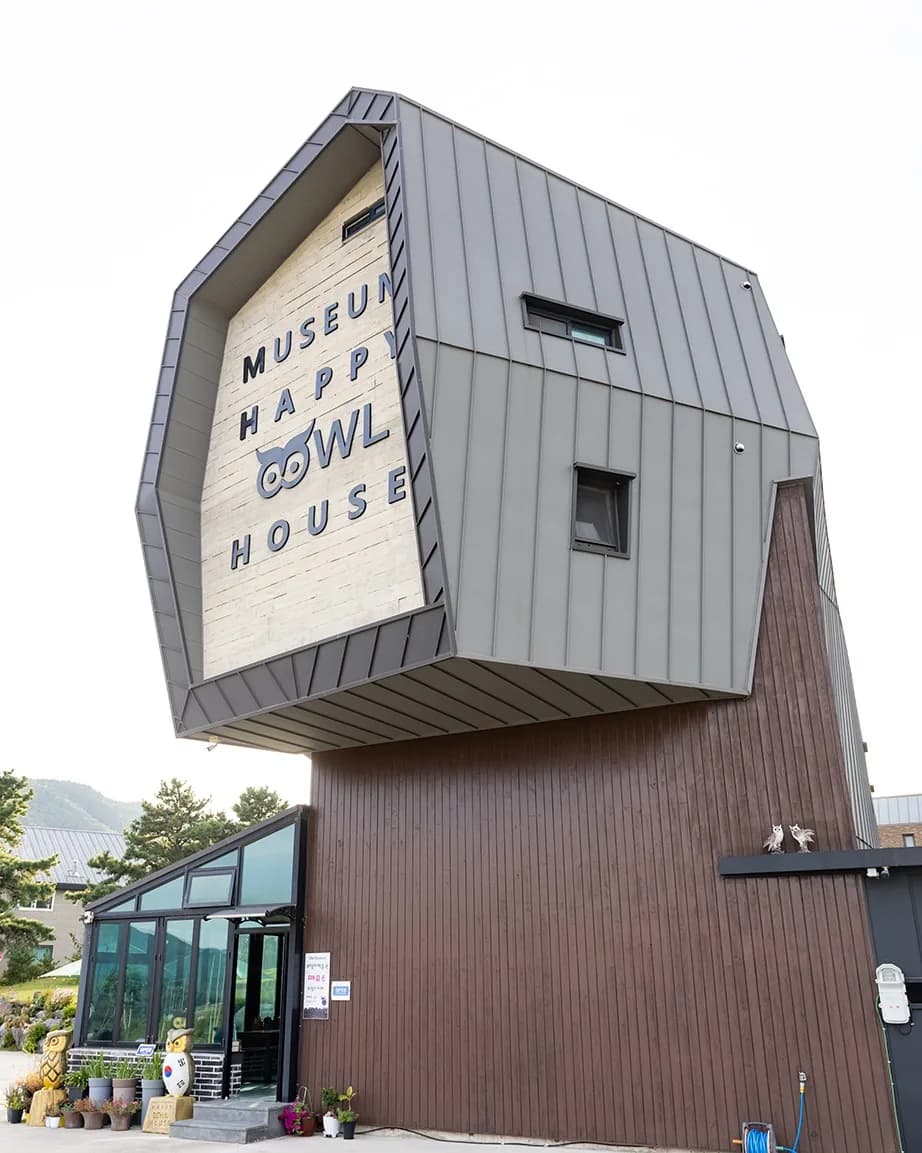
Happy Owl House is the quieter 7th card. Gangwon Tourism frames it as an owl museum with owl collectibles and fabric-art owl works at 118 Baramkkotmaeul-gil. Korea Art Guide currently lists 10:00-18:00, last entry at 17:30, Monday closed, and tickets at KRW 7,000 for adults, KRW 6,000 for students, and KRW 5,000 for children over 24 months. Treat it as a call-ahead branch rather than a default downtown stop.
Use this route by rain level
| Weather | Best route |
|---|---|
| Light rain | Market snack -> Hwanggane Son Kalguksu -> Museum X |
| Steady all-afternoon rain | Market snack -> Hwanggane Son Kalguksu -> Pinodia -> Museum X |
| Starting south of downtown | Seodam Ssalguksu -> Pinodia -> Museum X |
| Rain near Seoraksan | Alive Heart or Happy Owl House, only if you have a car or are already on the Seorak side |
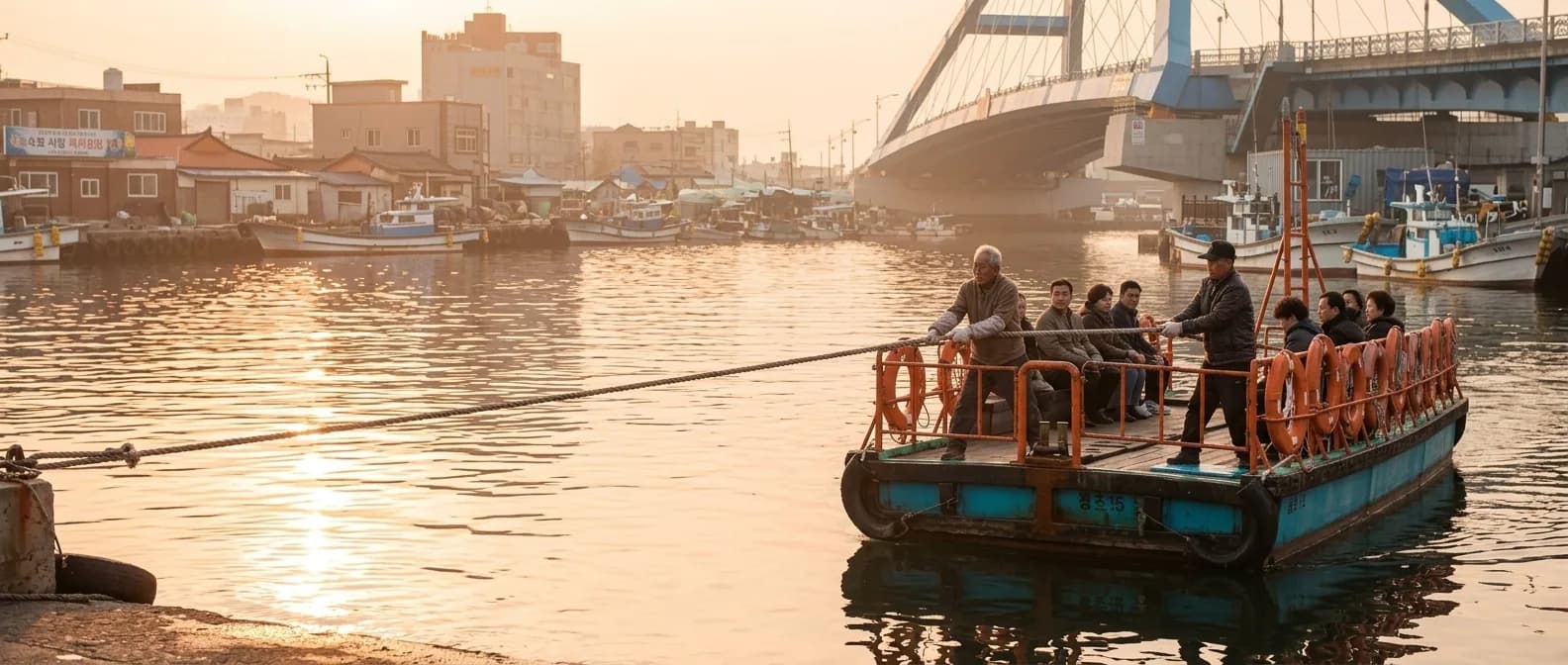
Do not make this a random museum checklist. Every extra transfer in rain costs more comfort than it looks on a map. A good rainy-day itinerary in Sokcho is one warm food decision, one or two paid indoor blocks, and no forced ferry or wet trail.
End with shelter, not a forced view
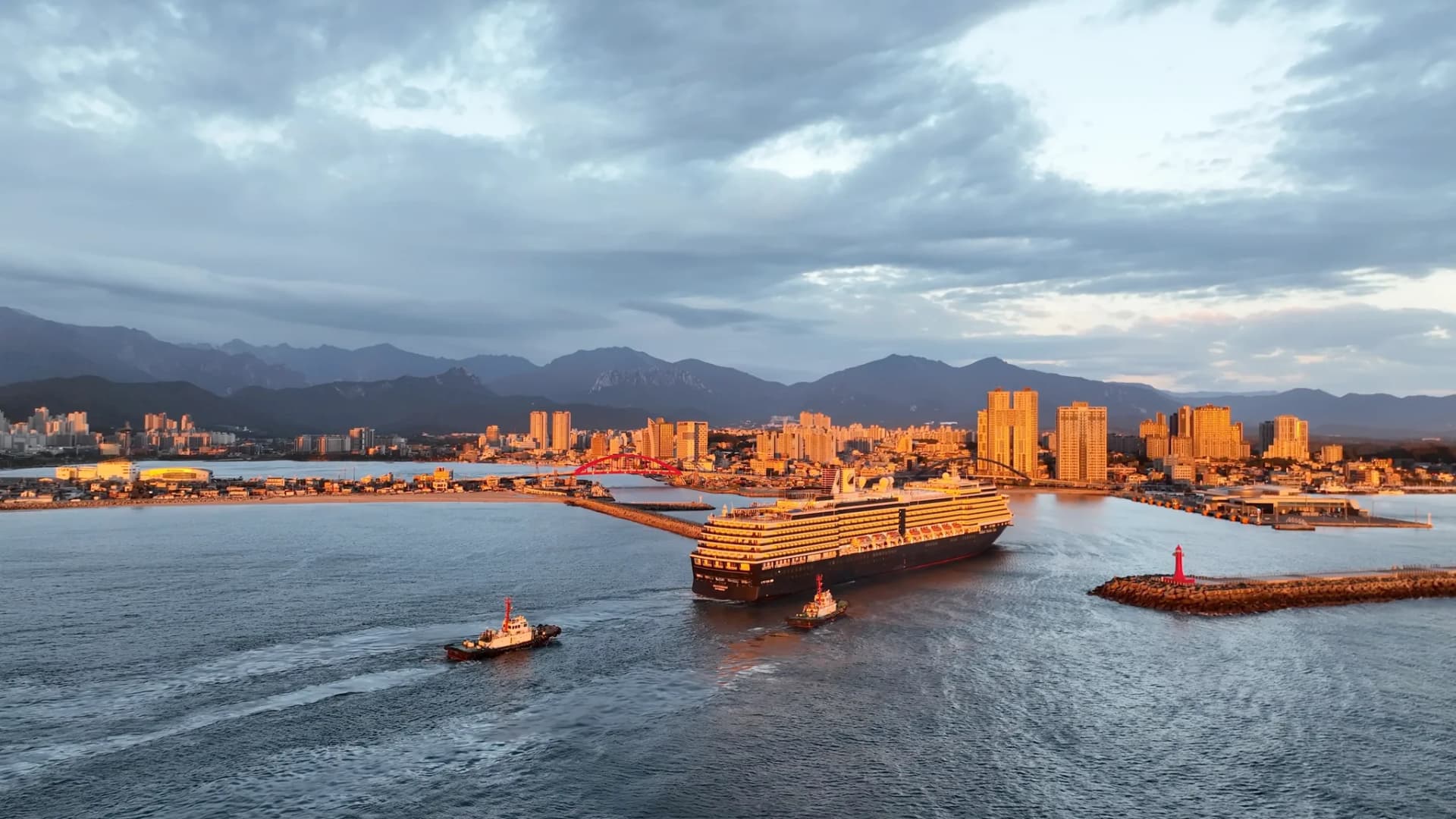
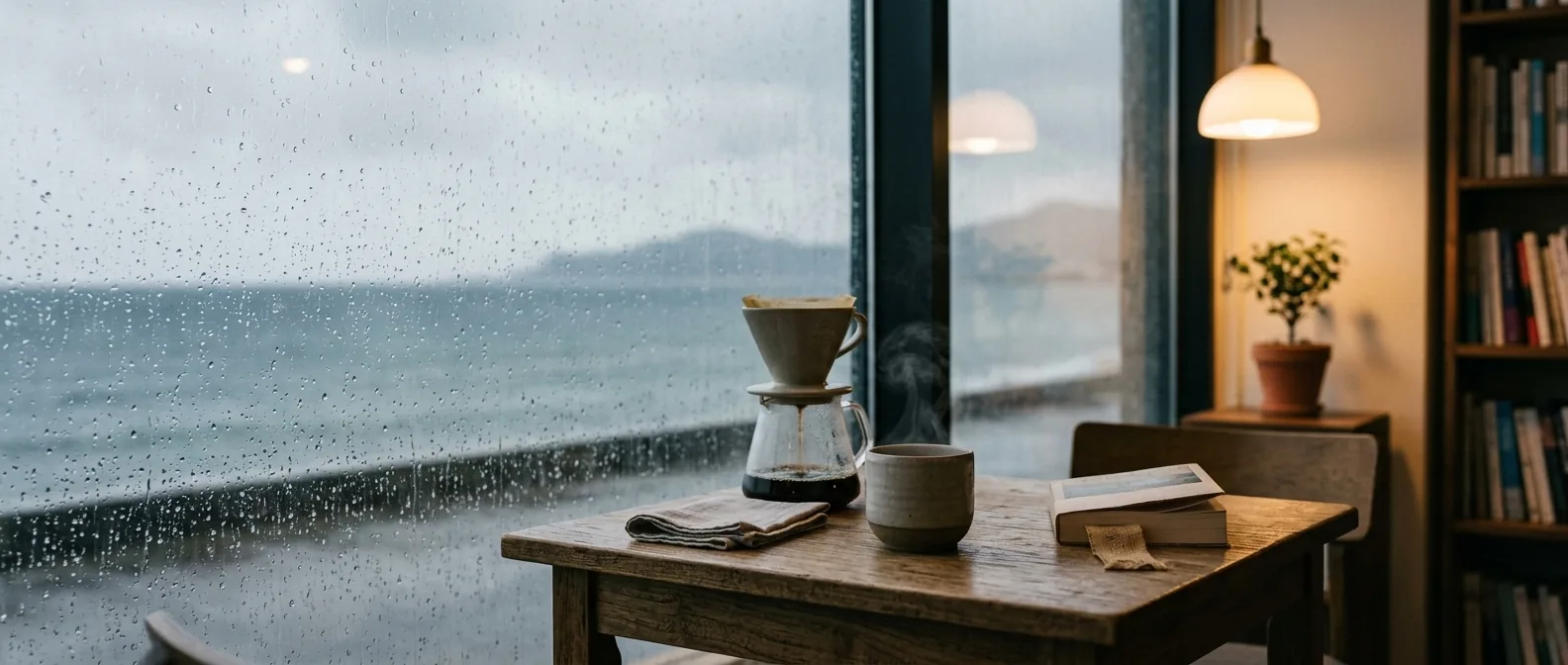
The finish matters. A rainy-day Sokcho plan should not just avoid discomfort; it should still feel specific to the coast. If the rain softens after Museum X, take a short northern coast or lighthouse-side look. If it gets worse, do not force the view. Go back to a covered cafe and make that the finish.
Sokcho's official tourism site now pushes beach-side night content such as "Light of the Sea, Sokcho," a 70 m by 15 m media-art landmark, as part of the city's year-round appeal. In summer 2025, the beach night opening even ran the show nightly at 9 PM and 10 PM during the season, according to Yonhap. You do not need that exact program for this collection to work, but the logic is the same: on wet days, Sokcho's coast is best consumed from shelter.
The cafe finish matters. 카페 백촌리 opened its Sokcho Tourist & Fishery Market branch on February 5, 2026, after the owner ran the original Goseong shop for three and a half years. Market-branch sales have already doubled the Goseong location. She refuses powders, guar gum, or stabilizers — every gelato and bingsoo uses Beomsan Farm organic milk (Korea's first organic-certified dairy) and whole seasonal fruit. Apple mango bingsoo is the signature. On a rainy afternoon, the combination of the covered market and a gelato spoon is more Sokcho than a sea-view cafe would be in better weather.
What not to do
- Do not force Ulsanbawi or a longer Mt. Seorak trail in a soaked jacket.
- Do not buy three museum tickets just because the forecast looks bad. Pick the indoor blocks that match your side of town and preserve energy.
- Do not spend the whole day in one cafe. The market plus one or two real indoor stops are the parts that save the day.
- Do not over-order at stop one. Rainy-day Sokcho is better as two small meals than one heavy lunch that makes the afternoon sluggish.
- Do not force both Hwanggane and Seodam into one lunch. Pick the one that fits your starting point.
- Do not put Alive Heart into a downtown walking route. It belongs to the Seorak-side family branch.
- Do not send a taxi to Happy Owl House without checking the day and hours if it is Monday, a weekday, or an off-season day.
Sources checked for this update
- Museum X official visitor information - hours, address, pass prices, AI package, and parking note checked June 22, 2026
- Pinodia official home page - current public hours notice checked June 22, 2026
- Pinodia official visitor guide and Pinodia official fee page - detailed hours, estimated viewing time, and admission checked June 22, 2026
- VisitKorea Accessible Travel listing for Alive Heart
- indoor attraction framing, address, hours, last entry, and accessibility notes checked June 22, 2026
- Gangwon Tourism Happy Owl House listing
and Korea Art Guide Happy Owl House listing
- address, phone, exhibition framing, hours, and ticket notes checked June 22, 2026
If you want a broader rainy-weather food list, go next to the Seafood Market Guide. If your real goal is the right window seat, Best Cafes in Sokcho is the more complete shortlist.