HomeSpotsMt. Seorak
HeySeorakHeySeorak
SpotsStaysCollectionsMt. SeorakJournal
  1. HeySeorak
  2. /Spots
  3. /Sokcho
  4. /Abai Village
Abai Village
VillageSeeLearnbudgetEnglish Menu

Abai Village

아바이마을

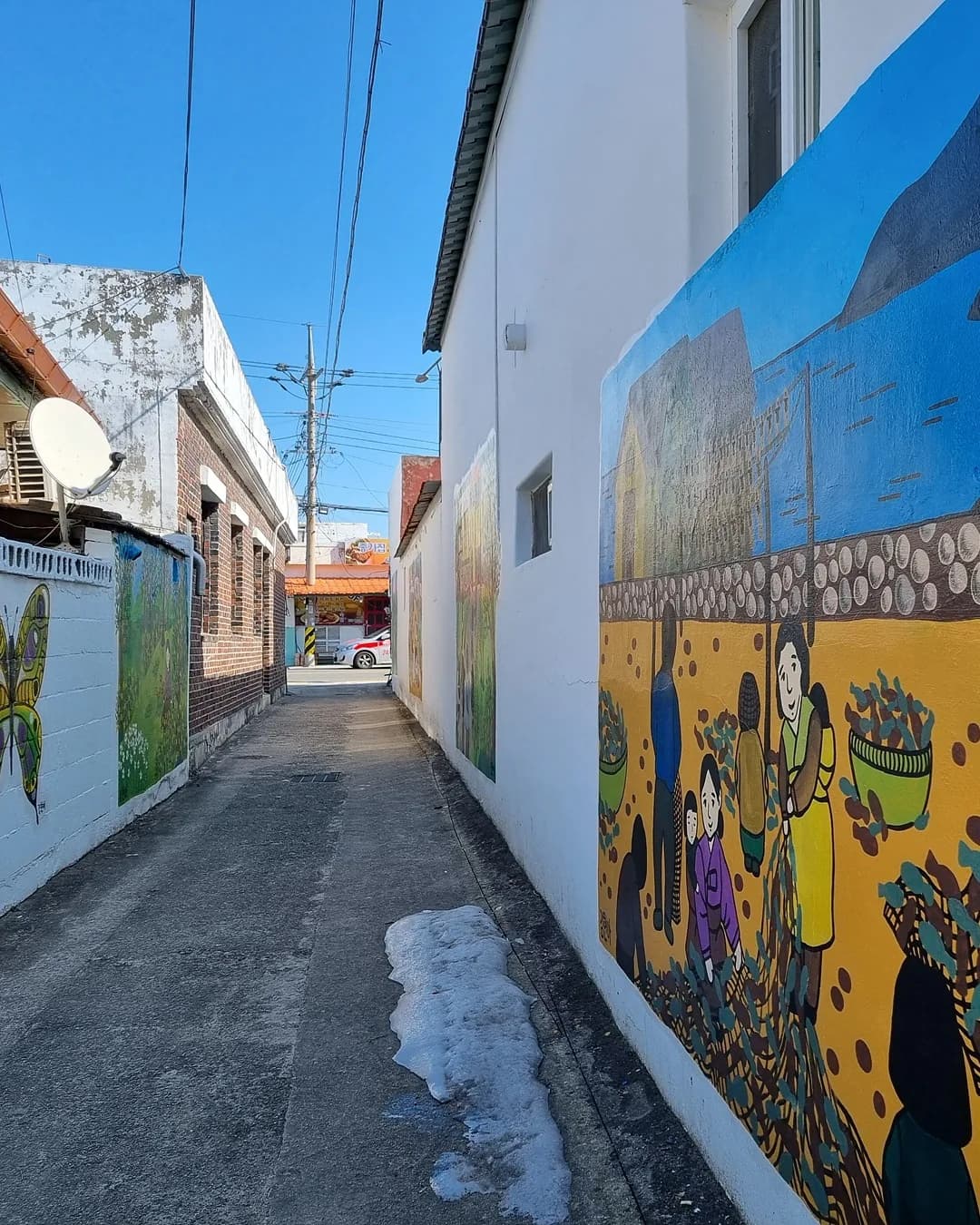
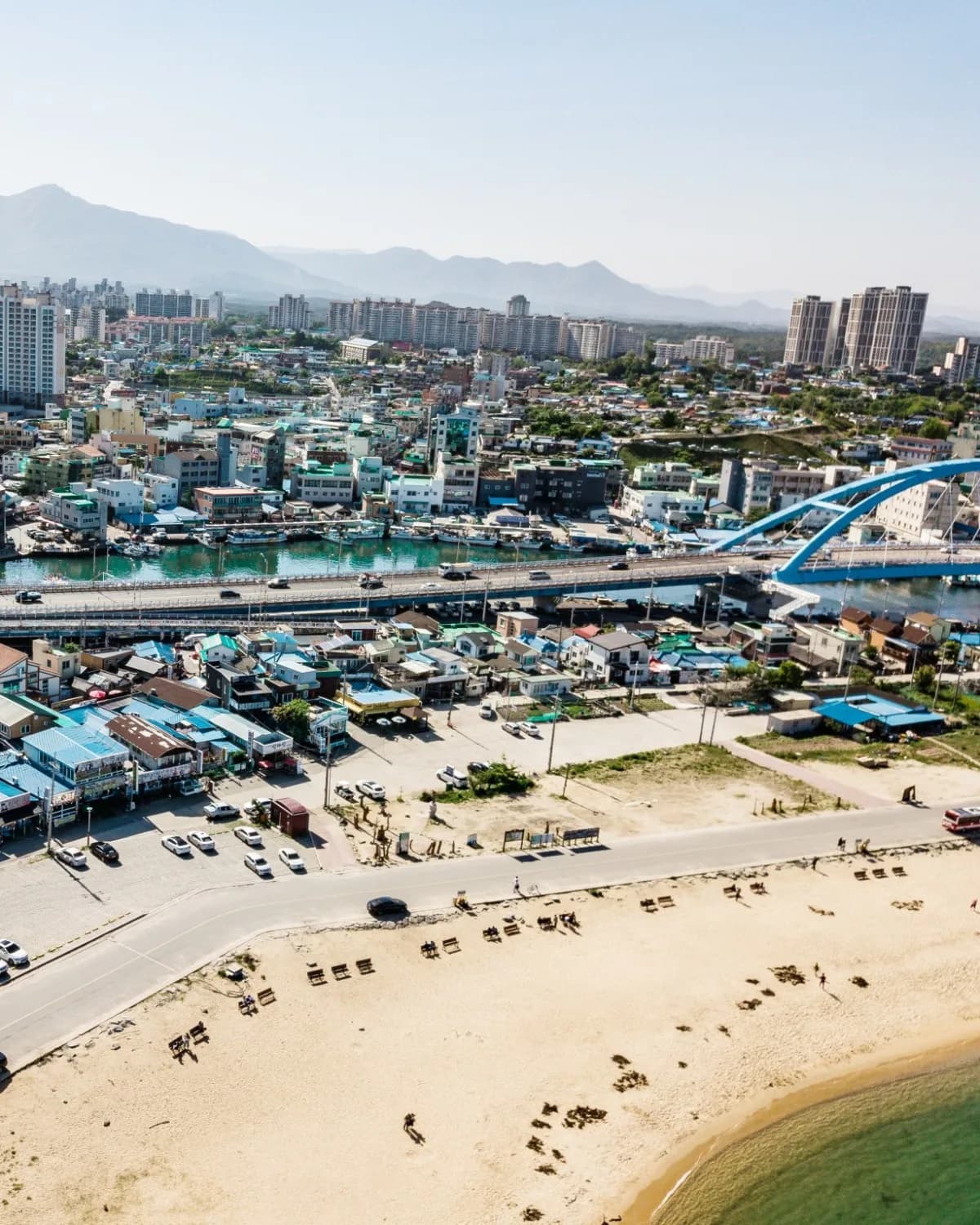
Abai Village is Sokcho's most important living modern-history neighborhood: a sandbar settlement shaped by Korean War refugees from North Korea, especially Hamgyeong-do. For international travelers, it is not only a food stop for sundae and stuffed squid, but a compact place to understand displacement, divided-family memory, dialect, murals, ferry crossings, and how refugee life became part of Sokcho's identity.

3 travelers viewed this

Best For

History, culture, scenic context, and first-time orientation

Area

Abai

Price

₩ Budget-friendly

Ask Local Guide

Reviewed by HeySeorak Editorial · Updated June 17, 2026

Info

📍

122-1 Cheongho-ro, Sokcho-si, Gangwon-do

강원특별자치도 속초시 청호로 122-1

📞+82-33-633-3171
🕐
MonOpen 24 hr
TueOpen 24 hr
WedOpen 24 hr
ThuOpen 24 hr
FriOpen 24 hr
SatOpen 24 hr
SunOpen 24 hr

A lived-in neighborhood rather than a gated attraction. Restaurants, ferry operations, and individual shops keep their own hours.

💰budget price range
Open in Google MapsOpen in Naver Map

The Story

Abai Village formed as a settlement of Korean War refugees from North Korea, especially people from Hamgyeong-do Province. Local memory frames the early village as a temporary home that became permanent: families expected to return north, but instead built clustered hometown communities on the sandy Cheongho-dong ground despite difficult housing and water conditions.

Behind the Signature

The name 'Abai' comes from Hamgyeong-do dialect and refers to an older man, like a grandfather. That makes the village name itself a cultural artifact: it carries the speech of displaced people from the northeast of the peninsula into present-day Sokcho.

Local Tip

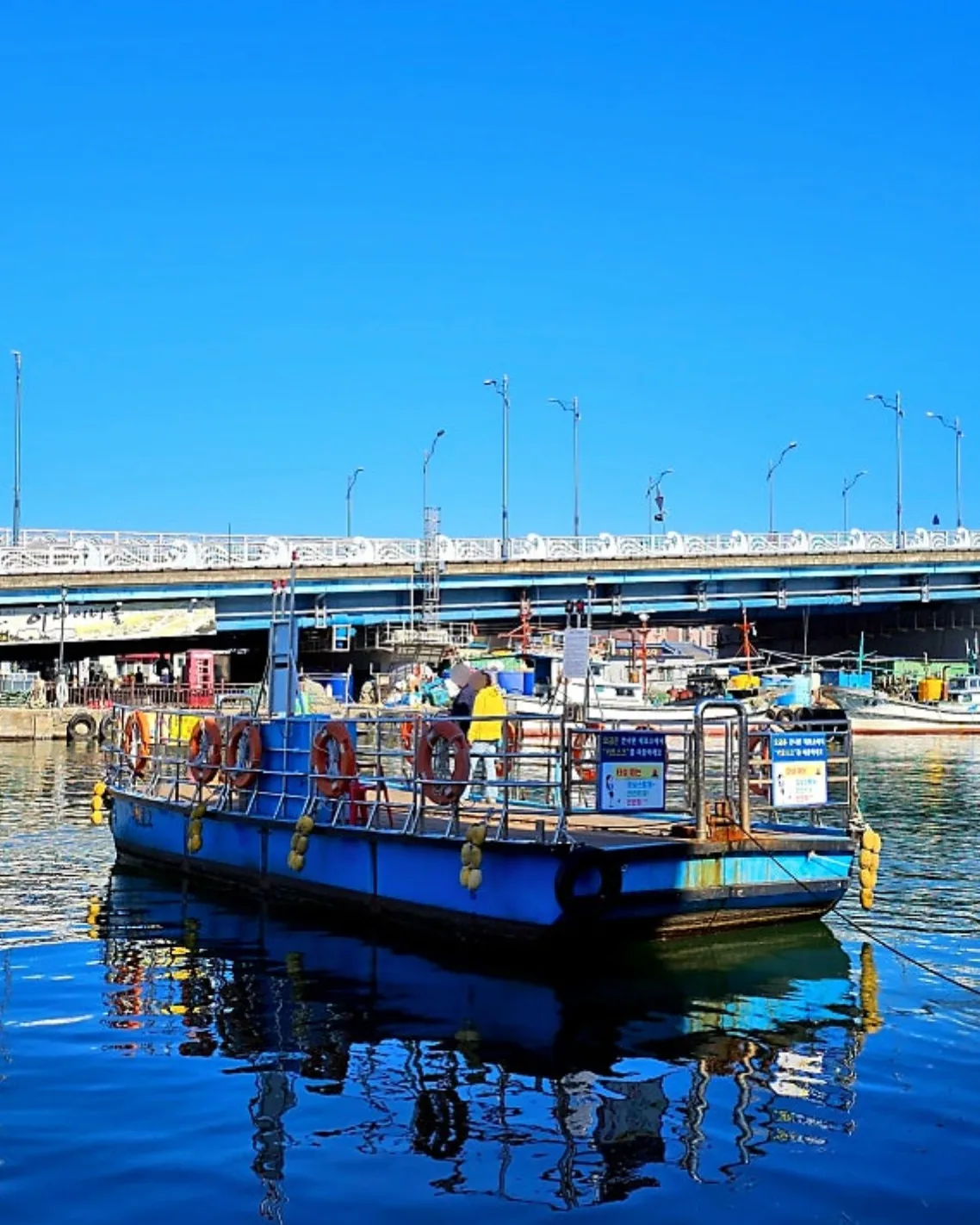
The village works best as a route, not a single pin. Pair Abai Village with the Gaetbae ferry, Art Platform Gaetbae, the displaced-people memorial points, and one North Korean-style food stop. The Sokcho City Museum's Displaced People Folk Village helps explain the original houses that no longer survive here in full form.

Seasonal Note

Weekends can feel food-tour heavy around the restaurant lane. Early morning or late afternoon is better for reading murals, taking photos without blocking residents, and walking toward Cheongho Beach.

For Travelers

This is one of Sokcho's clearest explanations of Korea's division outside a DMZ tour. The story is human-scale: families crossed south, built temporary homes, waited to return, and created a new neighborhood when return became impossible.
💡
Pro Tip
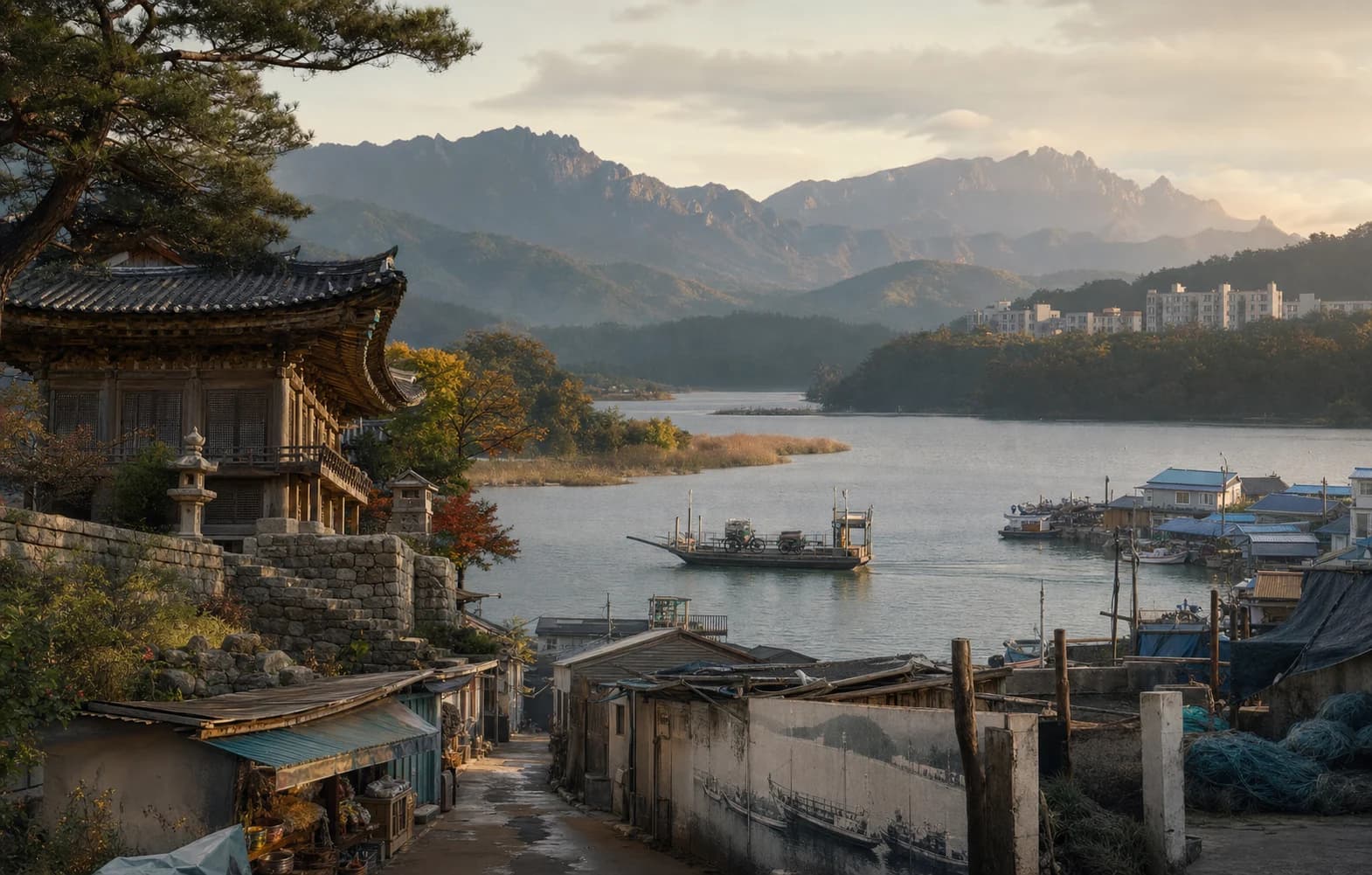
Visit respectfully: people still live here. The best first route is to cross by the hand-pulled Gaetbae ferry, walk the mural alleys and memorial points slowly, then eat Hamgyeong-style food only after you understand why the village exists.

How to visit

A quick guide for first-time visitors.

Step 1

Start with the context

Read the short history first so the stop is more than a photo point. The story usually explains why this place matters in Sokcho.

Step 2

Walk the key point

Use the map pin as your anchor, then give yourself a few extra minutes for nearby signs, views, side paths, or linked monuments.

Step 3

Connect the next stop

This works best as part of a route. Pair it with a nearby village, museum, market, ferry, temple, or lake walk rather than visiting in isolation.

Helpful guides

Practical reads to help you make the most of your visit.

🍣

What to Eat in Sokcho

Food specialties and budget picks

🚌

Seoul → Sokcho

Bus schedules, fares & terminals

Plan around this stop

Curated routes and visitor situations where this place fits naturally.

Sokcho History Itinerary

🏛️Sokcho History Itinerary

A full-day Sokcho history itinerary linking Sinheungsa Temple, Sokcho Museum, Abai Village, the Gaetbae ferry, market, and chilsungboatyard with route tips.

history-walkfull-dayEditorially reviewed · May 3
  • Full day
  • 12 picks
Abai Village History Walk

🛶Abai Village History Walk

An Abai Village Sokcho history walk linking the Gaetbae ferry, mural street, refugee food, market, and museum context for foreign travelers.

history-walkfirst-time-sokchoEditorially reviewed · May 3
  • 2-3 hours
  • 7 picks

You might also like

Nearby picks with a different category first, then backup options in the same area or city.

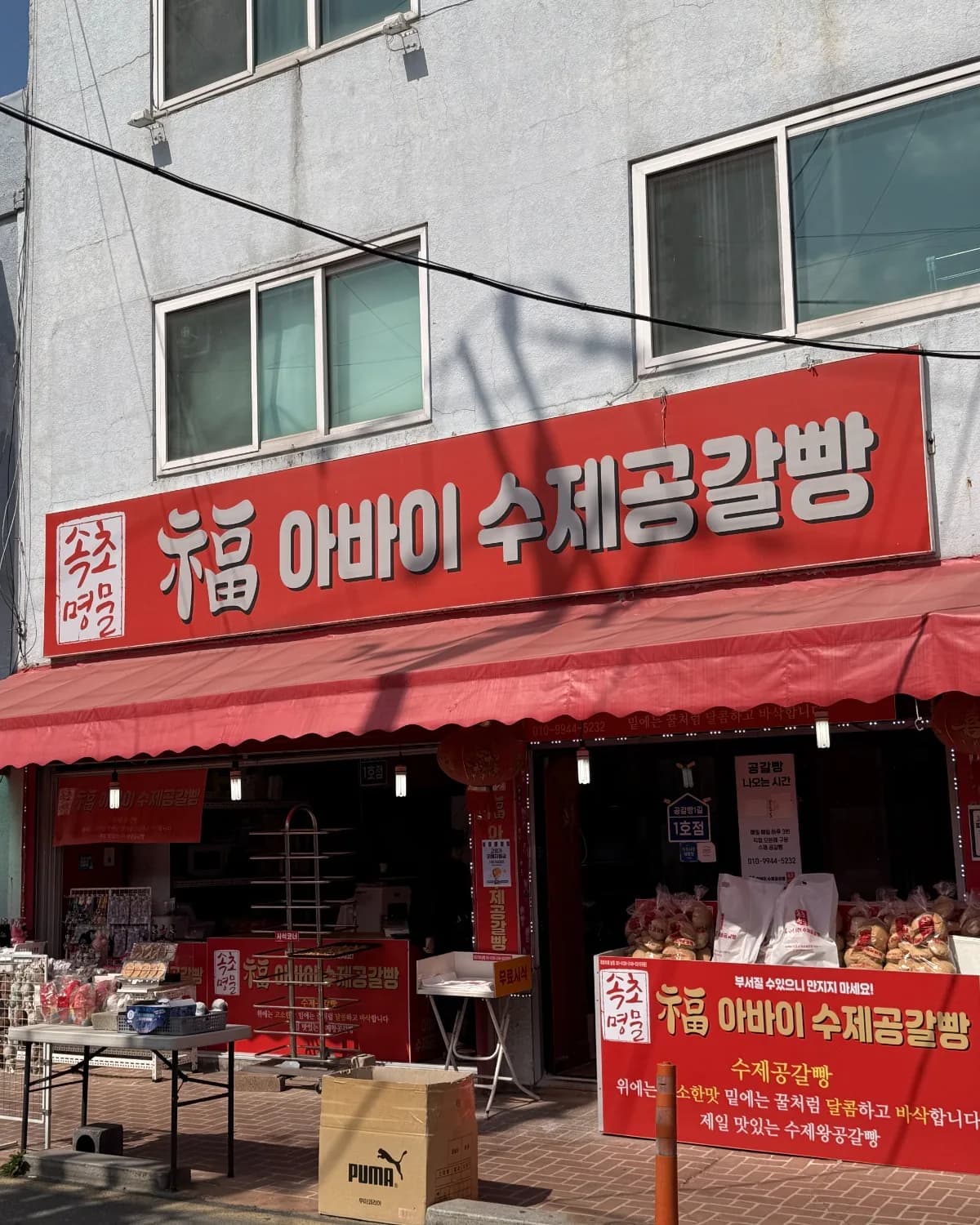
Abai Gonggal Bread
Interviewed

Abai Gonggal Bread

아바이공갈빵

Eat & DrinkBakery·₩·Abai
Abai Village Ferry

Abai Village Ferry

아바이마을 갯배

See & LearnFerry·₩·Abai
Abai Village Mural Street

Abai Village Mural Street

아바이마을 벽화거리

See & LearnHeritage·₩·Abai

Info

📍

122-1 Cheongho-ro, Sokcho-si, Gangwon-do

강원특별자치도 속초시 청호로 122-1

📞+82-33-633-3171
🕐
MonOpen 24 hr
TueOpen 24 hr
WedOpen 24 hr
ThuOpen 24 hr
FriOpen 24 hr
SatOpen 24 hr
SunOpen 24 hr

A lived-in neighborhood rather than a gated attraction. Restaurants, ferry operations, and individual shops keep their own hours.

💰budget price range
Open in Google MapsOpen in Naver Map
HeySeorakHeySeorak

Your AI-powered English guide to Sokcho & Mt. Seorak, South Korea.

Guides

  • Best Restaurants in Sokcho
  • What to Eat in Sokcho
  • Seafood Market Guide
  • Street Food Tour
  • Mt. Seorak Hiking
  • Sokcho Beach Guide

Explore

  • Collections
  • Places
  • Luggage Storage
  • Hidden Gems
  • Seasonal Guide
  • From Seoul

About

  • About HeySeorak
  • For Businesses
  • Contact
  • Privacy Policy
  • Terms of Service
© 2026 NomadLab. All rights reserved.
·Privacy·Terms·Made with ❤️ in Sokcho