The story
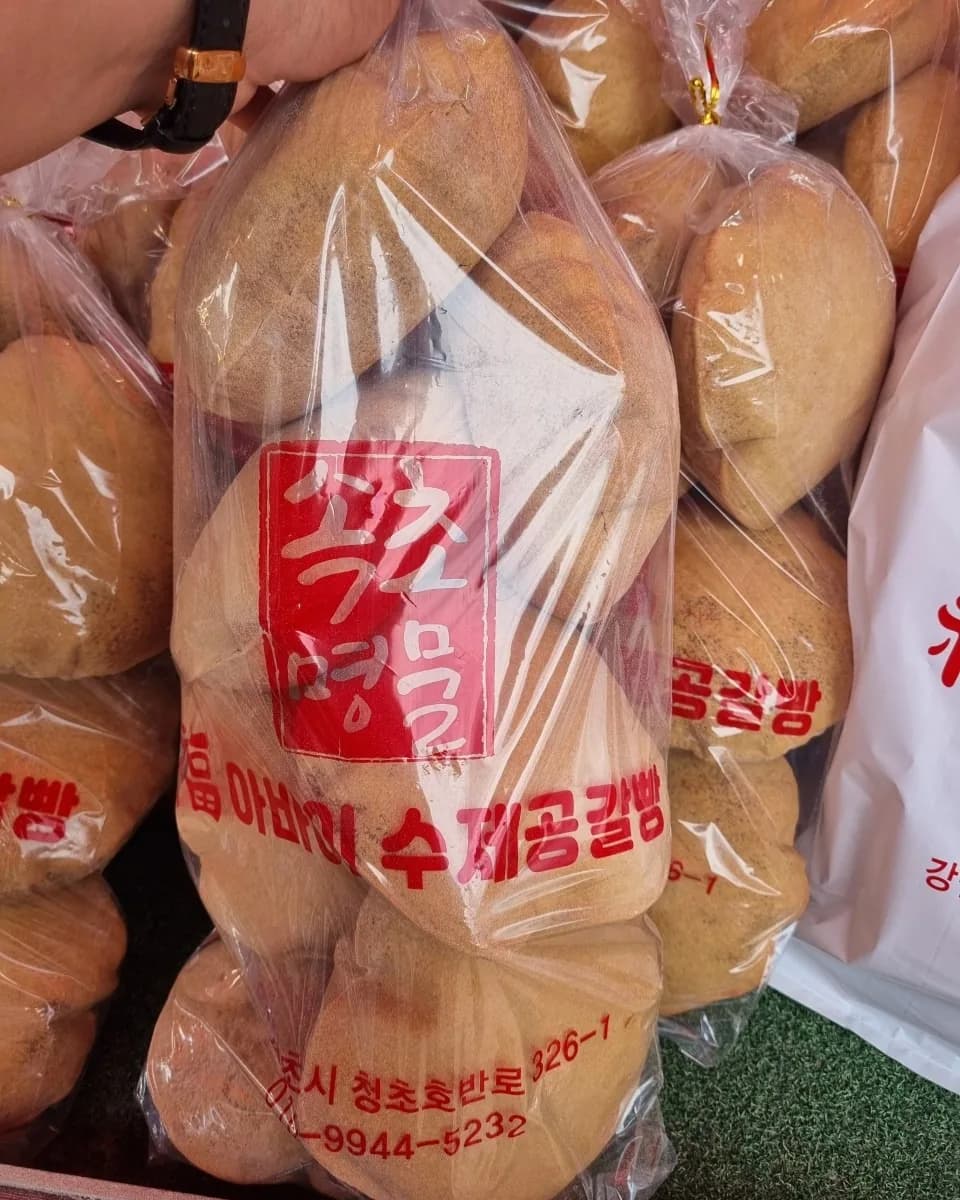
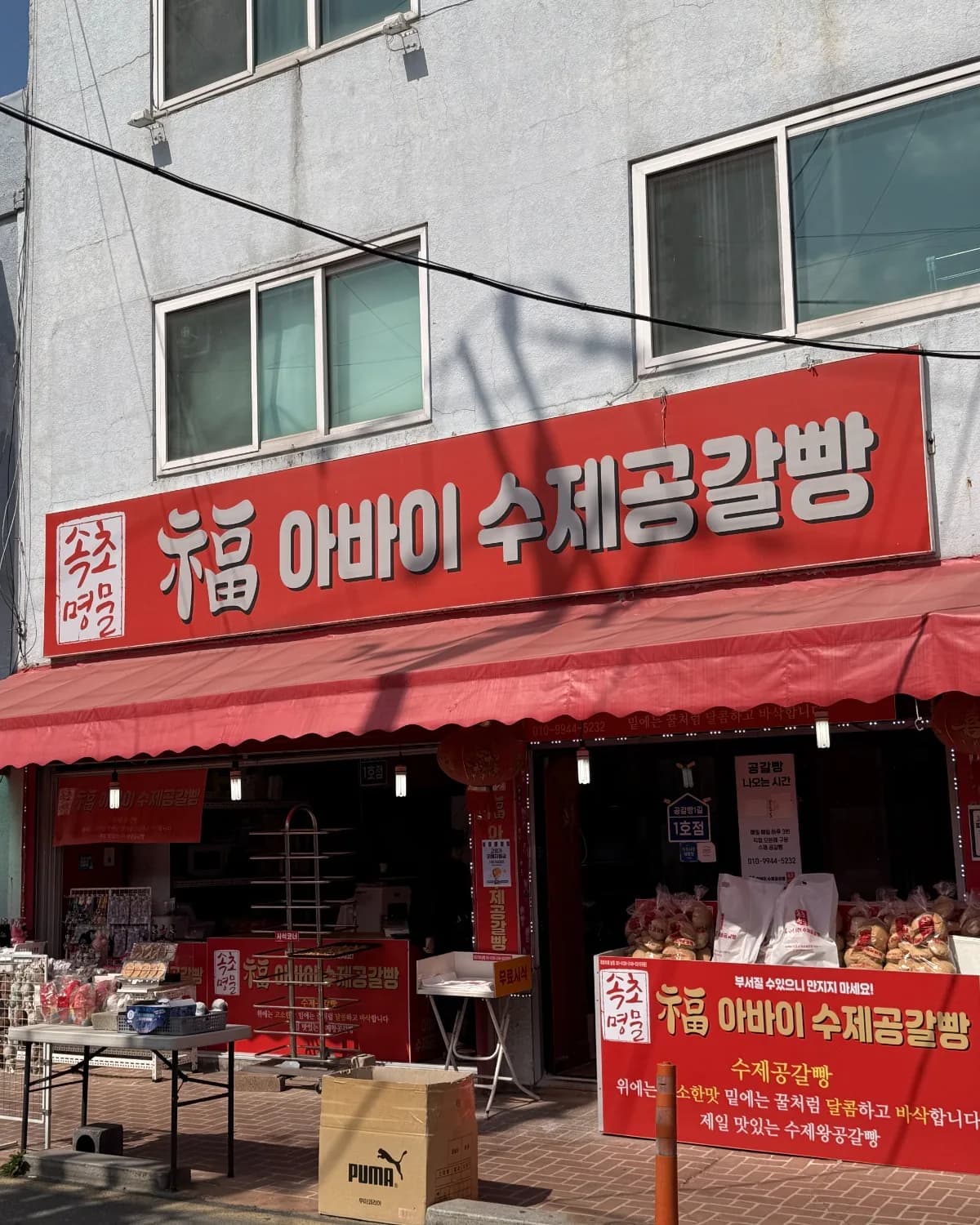
The owner first tasted gonggal-ppang in Incheon Chinatown, where the bread is famous, but felt the crust was too thick and hot for many Sokcho visitors. After years of selling popular tare snacks, she shifted with the food trend and developed a thinner, crisper Sokcho-style version that locals and travelers could enjoy more comfortably. The shop has now operated in this location for more than ten years.
“작게는 내 얼굴이지만 크게는 우리나라 얼굴. - In a small way it is my face, but in a bigger way it is Korea's face.”
Owner, Abai Gonggal Bread
What they stand for
The shop is built around one clear product rather than a long menu. The owner keeps the bread thin, crisp, and easy to share, and treats small acts of hospitality toward travelers as part of representing Sokcho and Korea.
Behind the signature
Gonggal-ppang literally means hollow bread. This version is a brittle round shell with almost no filling space inside; the sweetness comes from a sugar-honey glaze spread along the inner crust. Instead of biting into a soft bun, crack it first and eat the sweet, crisp pieces by hand.
Local tip
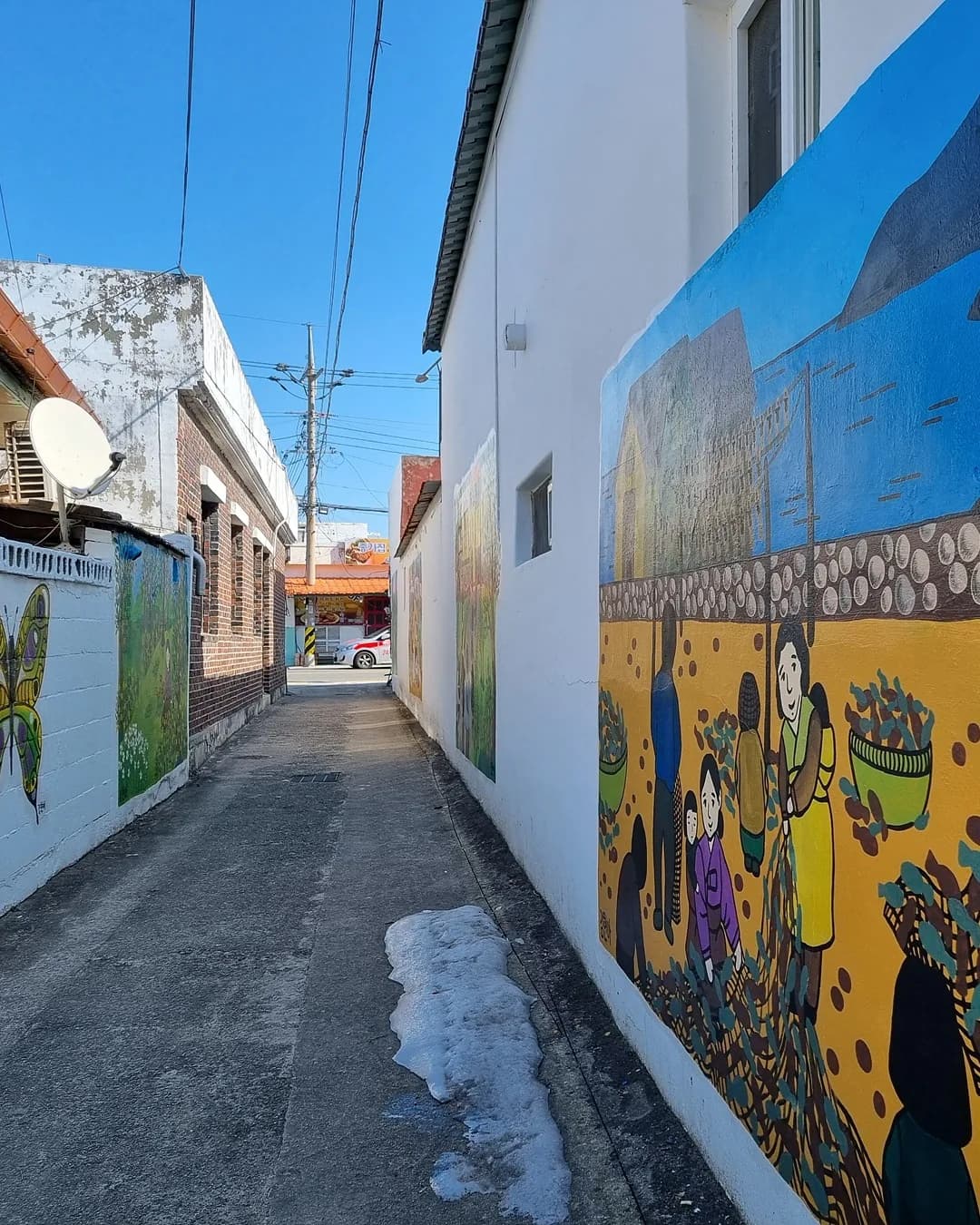
The shop sits by the Gaetbae ferry approach in Abai Village. During busy seasons, people waiting for the ferry or walking over from parked cars naturally pass the storefront. It is not a cafe, so pair the bread with coffee or tea from a nearby shop if you want a better snack break.
Seasonal note
High season brings more walk-up traffic from the ferry line and Abai Village route. Many regulars from Busan, Gyeongju, Jeolla, and other parts of Korea use the bread as a reason to revisit Sokcho.
For travelers
Foreign visitors have increased with cruise passengers. Many first notice Koreans tasting samples, then try the unfamiliar hollow bread with curiosity. The owner often offers a piece, or even a small takeaway gift, to interested foreign travelers because she sees that kindness as both her own face and Korea's face.