Sinheungsa Temple
신흥사
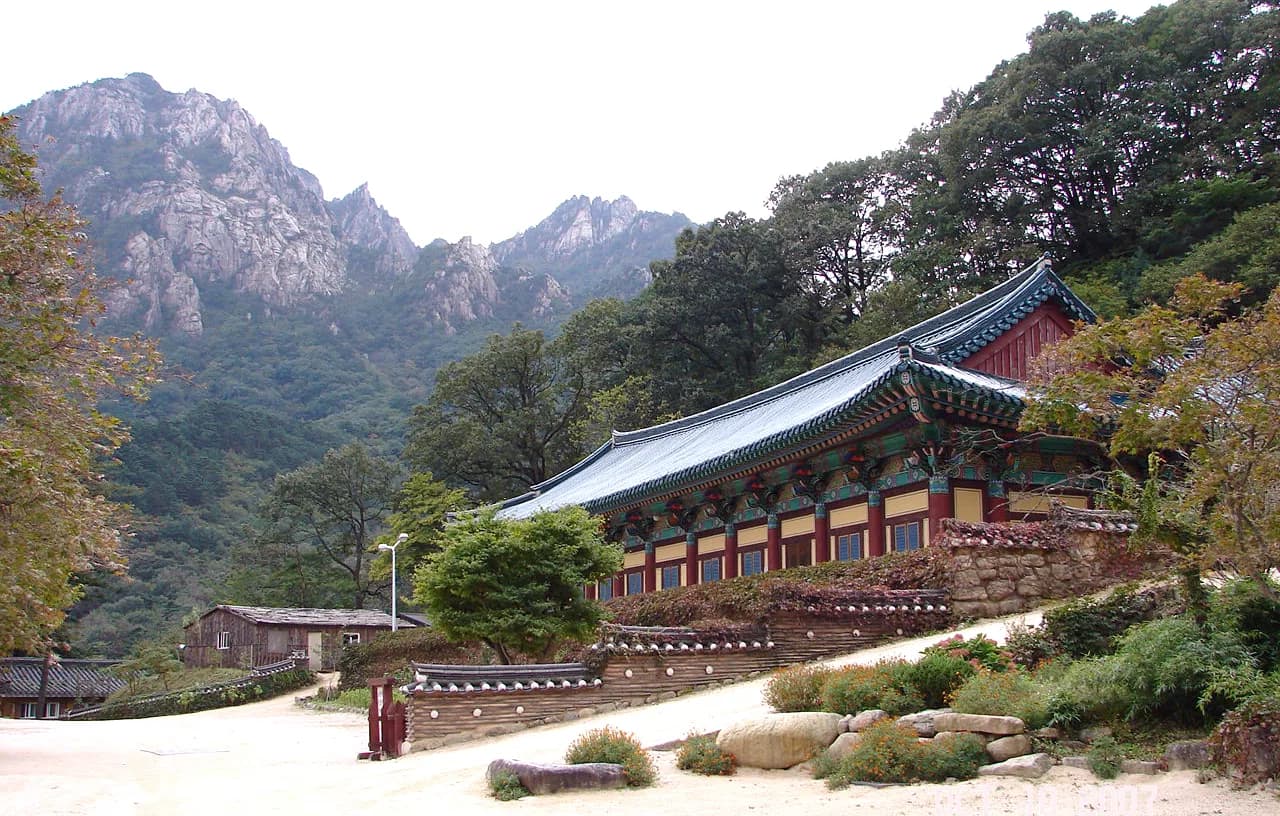
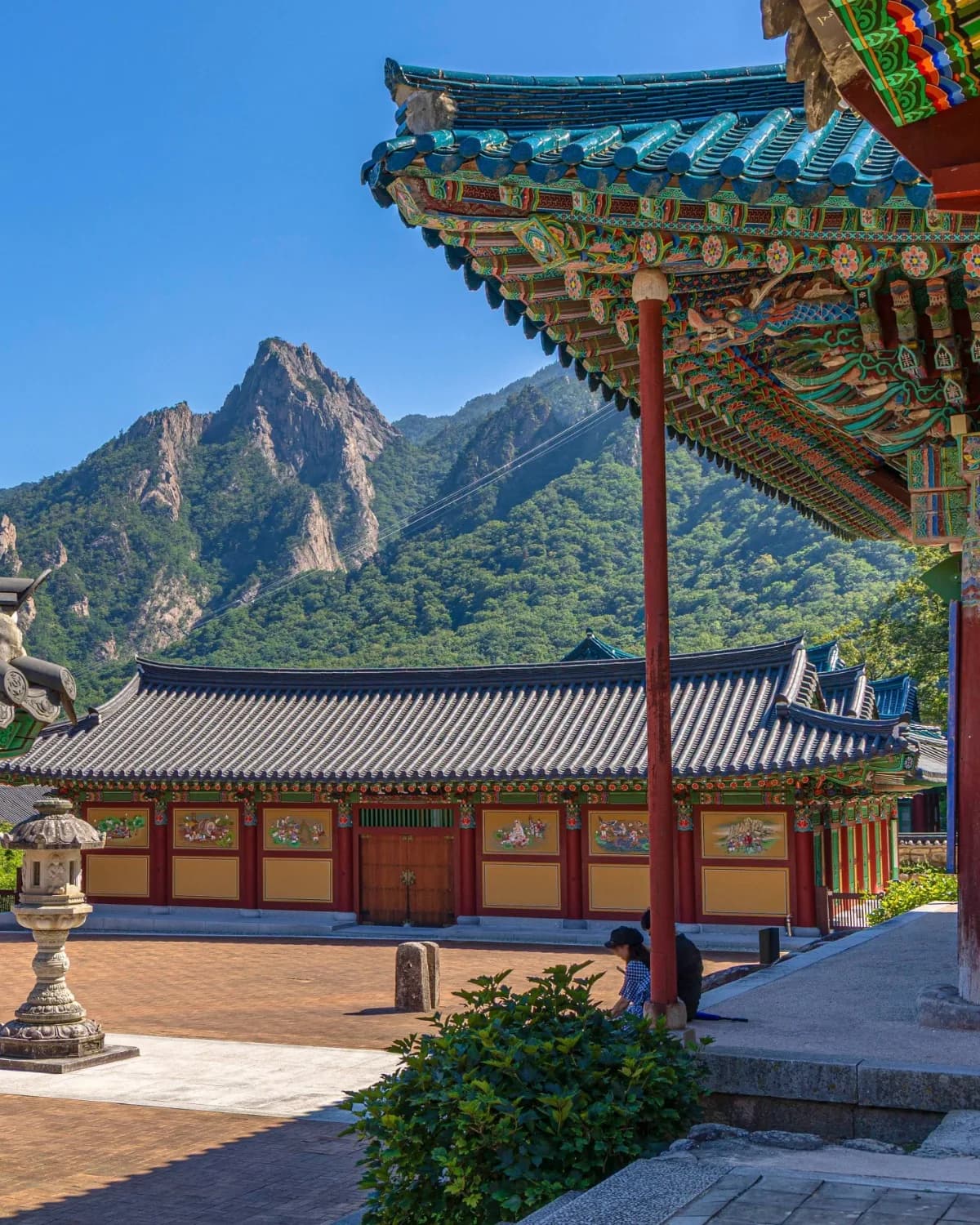
Sinheungsa Temple is Sokcho's essential Buddhist heritage stop inside Seoraksan. Founded in the Silla period as Hyangseongsa by the monk Jajang, the temple connects mountain scenery with mid-Joseon architecture, protected pagodas, Templestay culture, and a powerful modern repatriation story after a Joseon Buddhist painting was returned from The Met in 2025.
Verified by HeySeorak on 📖 Owner story included
Best For
History, culture, scenic context, and first-time orientation
Area
Seoraksan
Price
₩ Budget-friendly
Info
1137 Seoraksan-ro, Sokcho-si, Gangwon-do
강원특별자치도 속초시 설악산로 1137
Temple grounds are listed as open 24 hr by VisitKorea; Templestay programs and Seoraksan parking/cable-car logistics vary.
The Story
VisitKorea traces Sinheungsa to A.D. 652, when the monk Jajang founded Hyangseongsa in the Silla dynasty. Later fires and rebuilding moved the temple through several names and sites before the present Sinheungsa became the main Buddhist landmark visitors encounter at the entrance to outer Seoraksan.
Behind the Signature
The temple is not just old; it is still connected to living cultural heritage. In November 2025, The Metropolitan Museum of Art announced the return of The Tenth King of Hell, a 1798 Joseon Buddhist painting believed to have originally belonged to Sinheungsa and to have left while the temple was under U.S. Army control during the Korean War. For foreign visitors, that story turns the temple into a place where Buddhist art, war history, and cultural-property restitution meet.
Local Tip
Use Sinheungsa as the cultural anchor of a Seoraksan visit. The Great Unification Buddha is the most visible landmark, but the quieter value is inside the temple precinct: Geungnakbojeon Hall, Bojeru Pavilion, the bell, and nearby Hyangseongsa Three-story Stone Pagoda give the walk a clear heritage route.
Seasonal Note
Autumn foliage and spring weekends are the busiest because Sinheungsa sits on the main Seoraksan visitor flow. Early morning is calmer, especially if you want photos without tour groups or time to read signs slowly.
For Travelers
This is a strong first stop for visitors who want Korean history beyond palaces in Seoul. You can read it in three layers: Silla-era Buddhist foundation, Joseon temple architecture and painting, and the Korean War-era dispersal and return of cultural property.
How to visit
A quick guide for first-time visitors.
Step 1
Start with the context
Read the short history first so the stop is more than a photo point. The story usually explains why this place matters in Sokcho.
Step 2
Walk the key point
Use the map pin as your anchor, then give yourself a few extra minutes for nearby signs, views, side paths, or linked monuments.
Step 3
Connect the next stop
This works best as part of a route. Pair it with a nearby village, museum, market, ferry, temple, or lake walk rather than visiting in isolation.
Helpful guides
Practical reads to help you make the most of your visit.
Plan around this stop
Curated routes and visitor situations where this place fits naturally.

Sokcho History Itinerary
A full-day Sokcho history itinerary linking Sinheungsa Temple, Sokcho Museum, Abai Village, the Gaetbae ferry, market, and chilsungboatyard with route tips.
- Full day
- 12 picks

Sinheungsa Temple Guide
A focused Sinheungsa Temple guide for Sokcho visitors, linking Seoraksan, Bojeru Pavilion, Geungnakbojeon Hall, Buddhist treasures, and the 2025 painting return.
- 2-3 hours
- 8 picks
You might also like
Nearby picks with a different category first, then backup options in the same area or city.