Birthplace of Oh Yunhwan
오윤환선생 생가
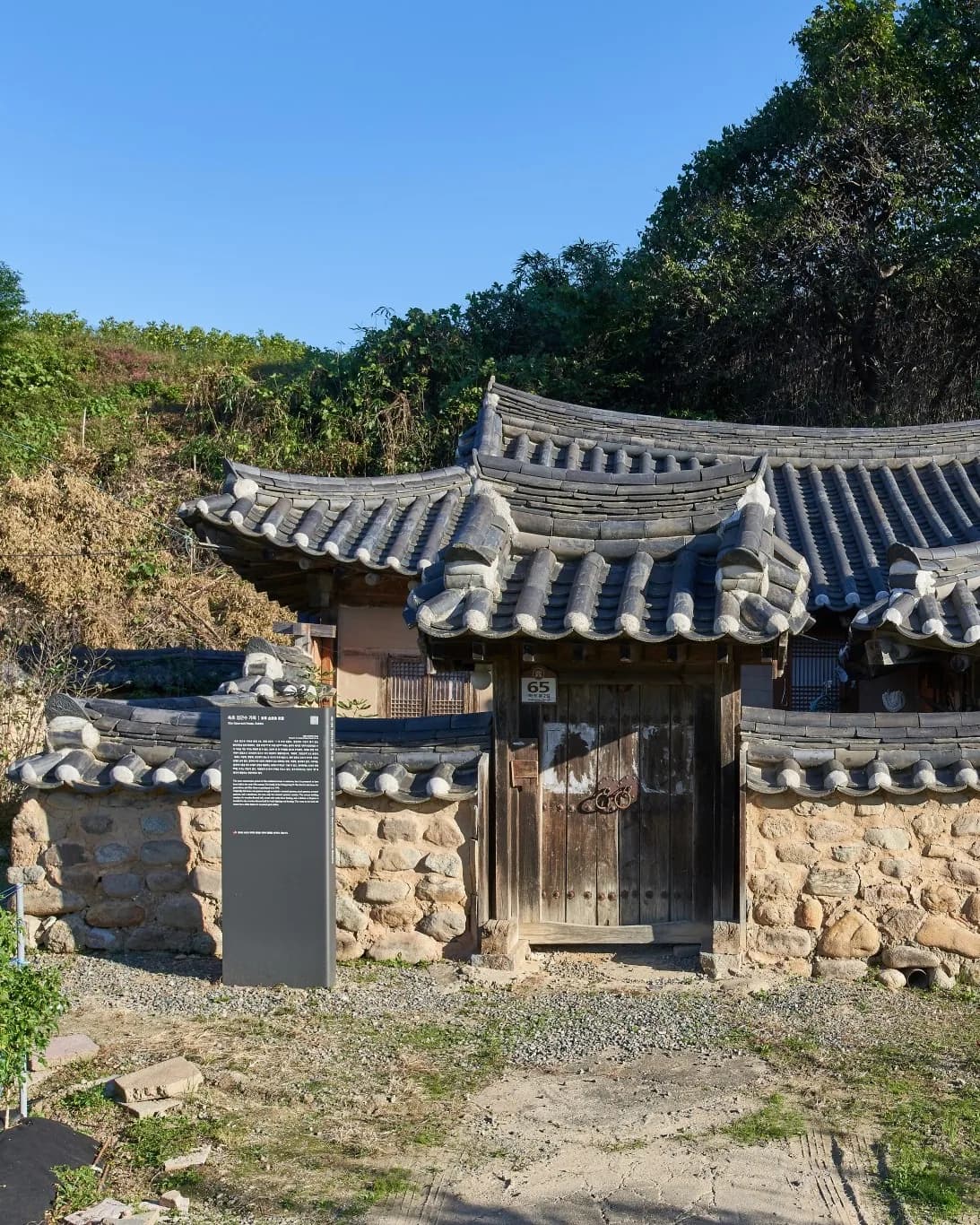
The Birthplace of Oh Yunhwan preserves the home of Maegok Oh Yunhwan, a Confucian scholar from the Sokcho area remembered for filial piety, teaching younger scholars, opposing forced Japanese-style name changes, and supporting the March 1 Independence Movement. Designated Gangwon-do Cultural Heritage Material No. 137, the house also shows late-Joseon architecture through a Hamgyeong-do-style double house plan.
Verified by HeySeorak on 📖 Owner story included
Best For
History, culture, scenic context, and first-time orientation
Area
Seoraksan
Price
₩ Budget-friendly
Info
30 Sangdomun 1-gil, Sokcho-si, Gangwon-do
강원특별자치도 속초시 상도문1길 30
Sokcho Tourism lists the site as always available and open year-round. Treat it as a heritage exterior stop unless current local access signs say otherwise.
The Story
Sokcho Tourism identifies this as the birthplace of Maegok Oh Yunhwan, a scholar active from the late Joseon period into the Japanese colonial era. The site carries both personal biography and local architectural memory.
Behind the Signature
Architecturally, the house is described as a four-kan by two-kan L-shaped Hamgyeong-do representative double house. Its ondol-centered rooms, kitchen-linked entry, storage buildings, and changed rear layout show how northern-style domestic architecture adapted over time.
Local Tip
Use this as one stop in a Domun/Sangdomun heritage sequence with Sangdomun Stone Wall Village, Hakmujeong, and nearby traditional houses. That route is stronger than treating each old house as a separate destination.
Seasonal Note
Daylight is important because the heritage value is in the exterior layout and village context. Avoid late-night visits to residential-feeling lanes.
For Travelers
For international travelers, the house helps explain that Sokcho's northern links are not only postwar refugee culture. Older Hamgyeong-do-style domestic architecture also appears in the region's traditional houses.

How to visit
A quick guide for first-time visitors.
Step 1
Start with the context
Read the short history first so the stop is more than a photo point. The story usually explains why this place matters in Sokcho.
Step 2
Walk the key point
Use the map pin as your anchor, then give yourself a few extra minutes for nearby signs, views, side paths, or linked monuments.
Step 3
Connect the next stop
This works best as part of a route. Pair it with a nearby village, museum, market, ferry, temple, or lake walk rather than visiting in isolation.
Helpful guides
Practical reads to help you make the most of your visit.
You might also like
Nearby picks with a different category first, then backup options in the same area or city.