Sokcho Museum & Displaced People Folk Village
속초시립박물관·속초실향민문화촌
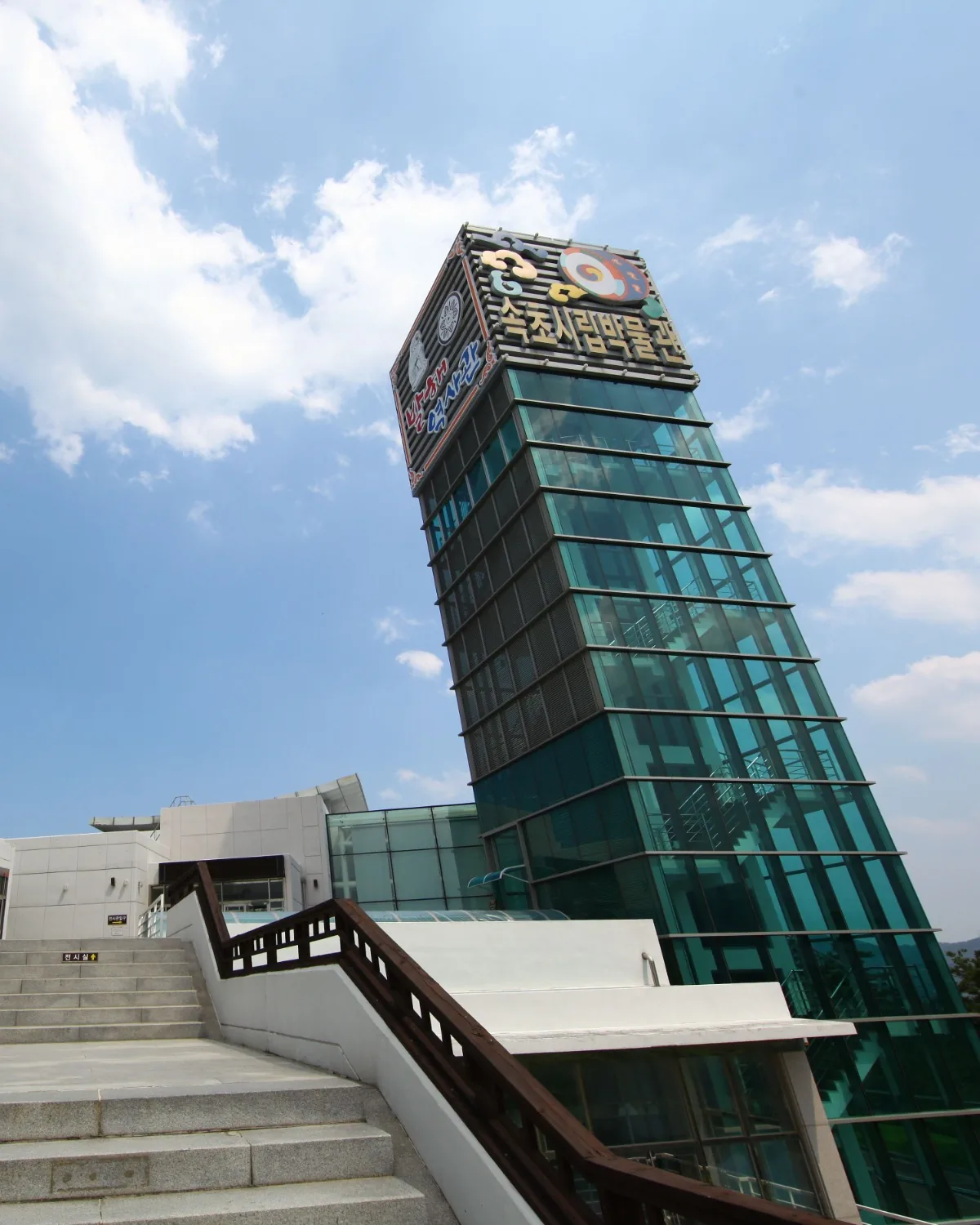
Sokcho Museum & Displaced People Folk Village is the clearest indoor companion to Abai Village. It explains Sokcho from prehistoric settlement through fishing culture, the Korean War refugee period, Balhae history, and reconstructed Cheongho-dong alley life, giving international visitors the background they need before or after walking the living village.
1 travelers viewed this
Verified by HeySeorak on 📖 Owner story included
Best For
History, culture, scenic context, and first-time orientation
Area
Seoraksan
Price
₩ Budget-friendly
Info
16 Sinheung 2-gil, Sokcho-si, Gangwon-do
강원특별자치도 속초시 신흥2길 16
Closed Mondays and January 1. Last admission may be before closing; official adult admission is KRW 2,000, with youth, child, group, senior, and preschooler discounts or exemptions.
The Story
The museum was built to preserve Sokcho's local history, folk culture, fishing culture, and the memories of people displaced by the Korean War. VisitKorea highlights that its exhibits run from prehistoric times to modern Sokcho, which makes it useful as a full-city context stop rather than only a refugee-history exhibit.
Behind the Signature
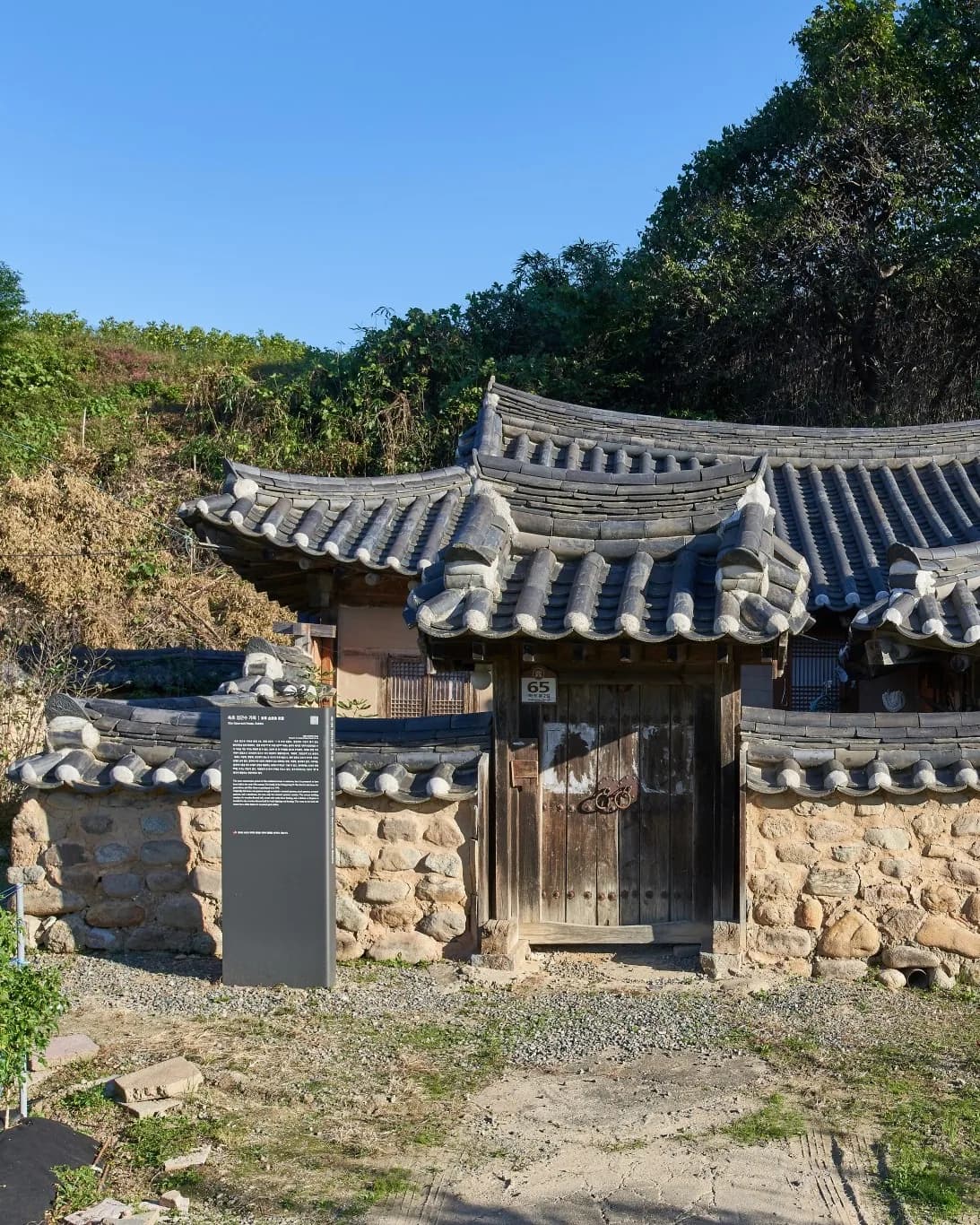
The most important visitor feature is the reconstructed Cheongho-dong alley and folk-village area. These spaces translate the original refugee settlement into walkable rooms and streets, helping travelers understand why Abai Village food, dialect, housing, and ferry movement are part of one story.
Local Tip
The museum sits away from the Abai waterfront, so it works best as a planned stop by bus, taxi, or car. Pair it with Abai Village on the same day only if you leave enough time; rushing both turns the history into a checklist.
Seasonal Note
This is one of the safest cultural stops for rain, snow, heat, or post-hike fatigue. Use it when Seoraksan weather changes the original outdoor plan.
For Travelers
For visitors who know the Korean War only as a military event, this museum makes the civilian afterlife concrete: displaced families, fishing livelihoods, lost hometowns, improvised neighborhoods, and the way a border turned Sokcho into a cultural meeting point.
How to visit
A quick guide for first-time visitors.
Step 1
Start with the context
Read the short history first so the stop is more than a photo point. The story usually explains why this place matters in Sokcho.
Step 2
Walk the key point
Use the map pin as your anchor, then give yourself a few extra minutes for nearby signs, views, side paths, or linked monuments.
Step 3
Connect the next stop
This works best as part of a route. Pair it with a nearby village, museum, market, ferry, temple, or lake walk rather than visiting in isolation.
Helpful guides
Practical reads to help you make the most of your visit.
Plan around this stop
Curated routes and visitor situations where this place fits naturally.
You might also like
Nearby picks with a different category first, then backup options in the same area or city.