HeySeorakHeySeorak
SpotsCollectionsSeoraksanJournalContact
  1. HeySeorak
  2. /Spots
  3. /Sokcho
  4. /Bojeru Pavilion at Sinheungsa Temple
Bojeru Pavilion at Sinheungsa Temple
VerifiedHeritageSeeLearnbudgetEnglish Menu

Bojeru Pavilion at Sinheungsa Temple

신흥사보제루

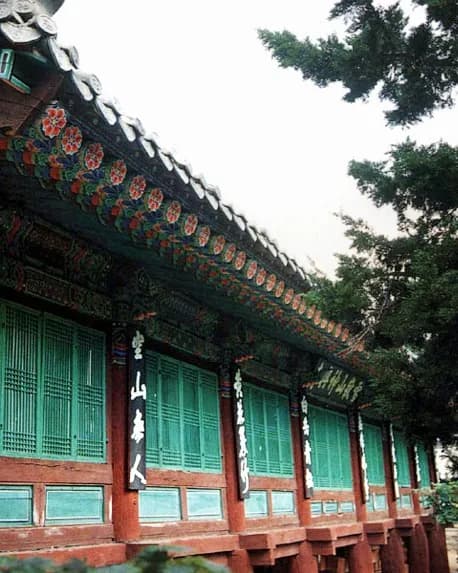
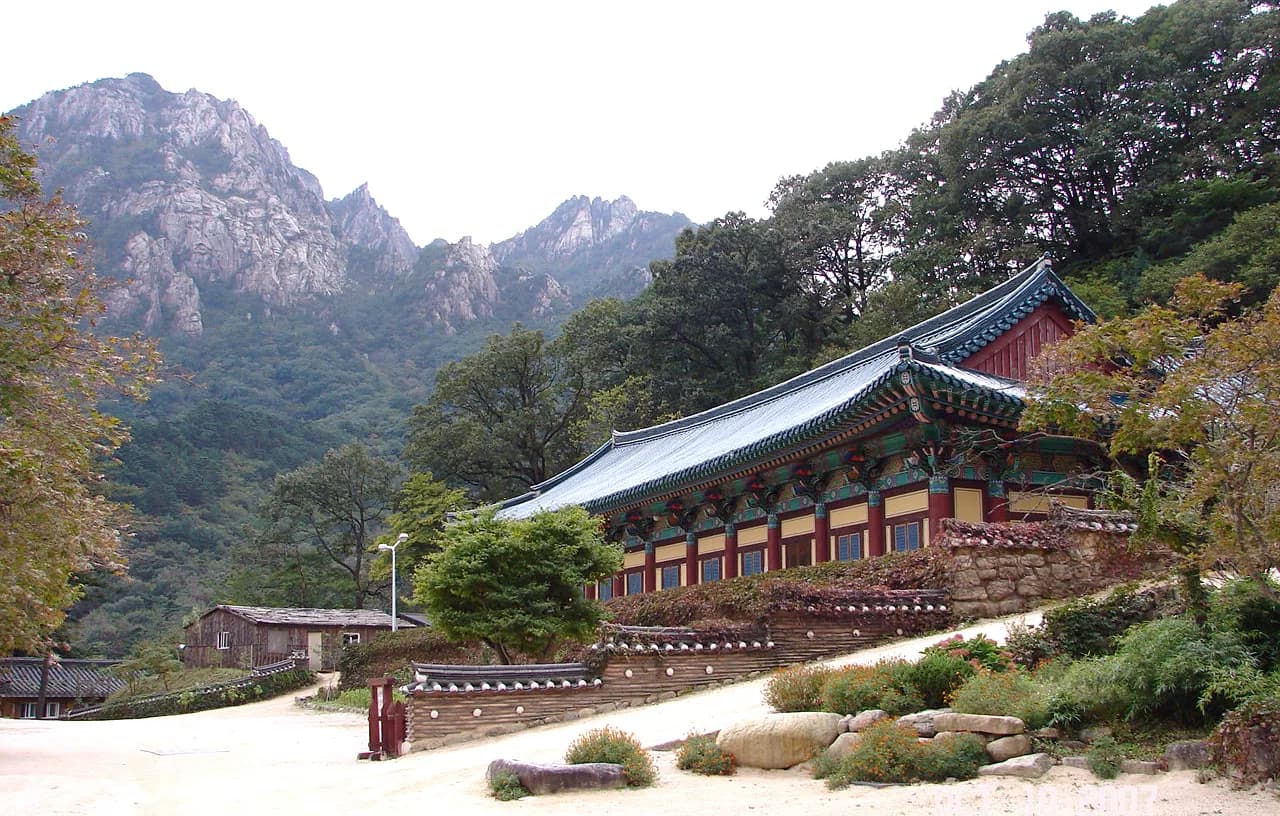
Bojeru Pavilion is the large rectangular gate-like pavilion standing in front of Geungnakbojeon Hall inside Sinheungsa Temple. Built in 1644 and renovated in 1770, it was designated Gangwon-do Tangible Cultural Heritage No. 104 in 1985. Its low underfloor passage creates a classic temple approach: visitors pass beneath the pavilion before entering the main Buddha hall courtyard.

Verified by HeySeorak on May 2, 2026📖 Owner story included

Best For

History, culture, scenic context, and first-time orientation

Area

Seoraksan

Price

₩ Budget-friendly

Ask AI How To Visit

Info

📍

170 Seorak-dong, Sokcho-si, Gangwon-do

강원특별자치도 속초시 설악동 170

📞+82-33-636-7044
🕐
MonOpen 24 hr
TueOpen 24 hr
WedOpen 24 hr
ThuOpen 24 hr
FriOpen 24 hr
SatOpen 24 hr
SunOpen 24 hr

Sokcho Tourism lists the pavilion as always available, open year-round, and free. In practice, view it as part of the Sinheungsa temple precinct and follow temple signs, weather restrictions, and ceremony etiquette.

💰budget price range
Open in Google MapsOpen in Naver Map

The Story

According to Sokcho Tourism, Bojeru Pavilion was built in 1644 and renovated in 1770 during the mid-Joseon period. It became Gangwon-do Tangible Cultural Heritage No. 104 in 1985 because it preserves an important example of Joseon Buddhist temple architecture in Seoraksan.

Behind the Signature

The architectural detail worth noticing is 'nuha-jinip,' the act of entering the main hall area by passing under a pavilion. Bojeru is built on a two-tier stone platform, with round pillars on natural stone bases and a low wooden floor above the passage. That compressed entry makes the Geungnakbojeon courtyard feel deliberately revealed, not simply reached.

Local Tip

Inside Bojeru are ritual sound objects including a large dharma drum made with cattle hide, a dragon-headed wooden fish, and an 18th-century temple bell. This makes the pavilion both an architectural threshold and a sound-related Buddhist ritual space.

Seasonal Note

On busy Seoraksan foliage weekends, pause here after tour groups pass instead of blocking the underfloor passage. Early morning gives the cleanest view of the pavilion, courtyard, and mountain-backed temple axis.

For Travelers

For international visitors, Bojeru is a compact way to understand how Korean temples choreograph movement. The value is not only the age of the building, but the sequence: pass under, enter the courtyard, then face the Buddha hall.
💡
Pro Tip
Do not treat this as a separate destination from Sinheungsa. Use it as the first close-reading point after entering the temple precinct: walk under the pavilion, look back toward the courtyard, then continue to Geungnakbojeon Hall and the bell-related heritage inside Bojeru.

How to visit

A quick guide for first-time visitors.

Step 1

Start with the context

Read the short history first so the stop is more than a photo point. The story usually explains why this place matters in Sokcho.

Step 2

Walk the key point

Use the map pin as your anchor, then give yourself a few extra minutes for nearby signs, views, side paths, or linked monuments.

Step 3

Connect the next stop

This works best as part of a route. Pair it with a nearby village, museum, market, ferry, temple, or lake walk rather than visiting in isolation.

Helpful guides

Practical reads to help you make the most of your visit.

🏔️

Seoraksan Hiking Guide

Trails, tips, and what to bring

🍣

10 Must-Try Dishes

Sokcho food bucket list

🚌

Seoul → Sokcho

Bus, train & taxi options

Plan around this stop

Curated routes and visitor situations where this place fits naturally.

Sokcho History Itinerary

🏛️Sokcho History Itinerary

A full-day Sokcho history itinerary linking Sinheungsa Temple, Sokcho Museum, Abai Village, the Gaetbae ferry, market, and chilsungboatyard with route tips.

  • Full day
  • 12 picks
Sinheungsa Temple Guide

🛕Sinheungsa Temple Guide

A focused Sinheungsa Temple guide for Sokcho visitors, linking Seoraksan, Bojeru Pavilion, Geungnakbojeon Hall, Buddhist treasures, and the 2025 painting return.

  • 2-3 hours
  • 8 picks

You might also like

Nearby picks with a different category first, then backup options in the same area or city.

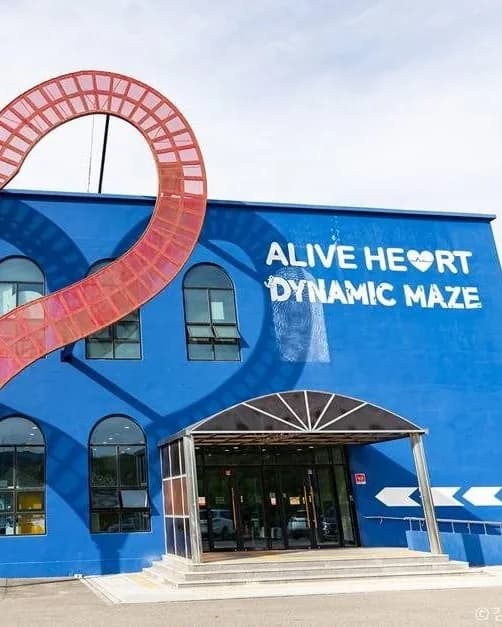
Alive Heart

Alive Heart

얼라이브하트

See & LearnAttraction·₩₩·Seoraksan
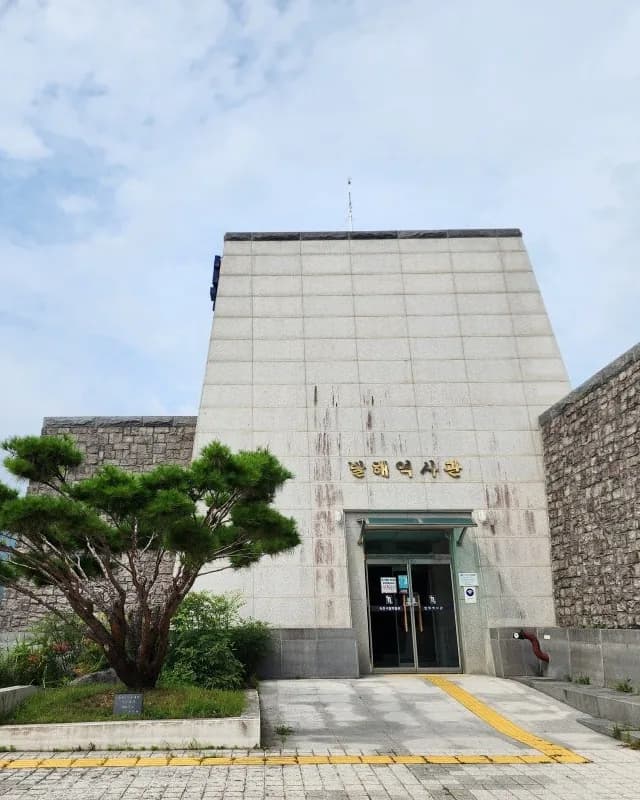
Balhae History Hall

Balhae History Hall

발해역사관

See & LearnMuseum·₩·Seoraksan
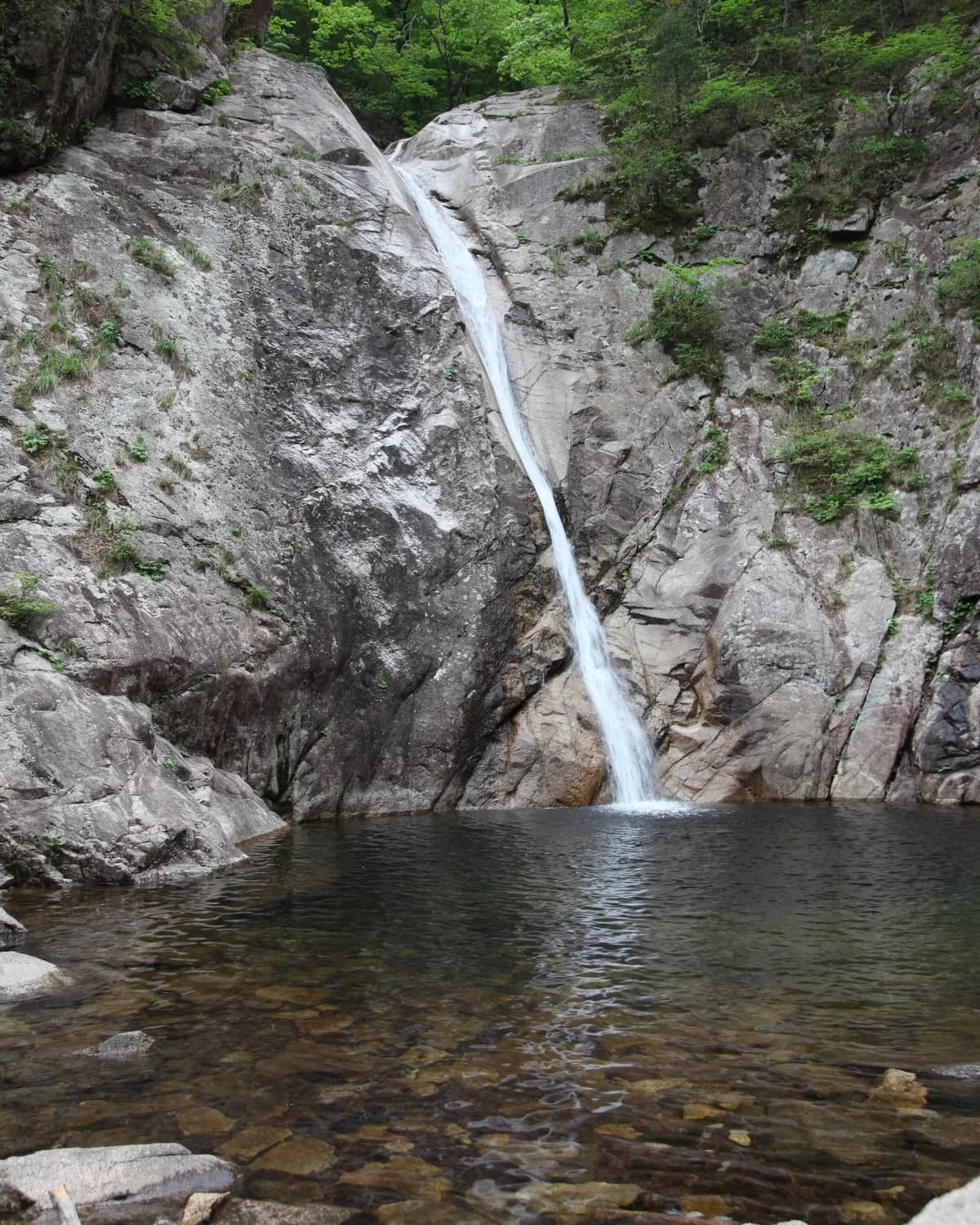
Biryong Falls

Biryong Falls

비룡폭포

See & LearnTrail·₩·Seoraksan

Info

📍

170 Seorak-dong, Sokcho-si, Gangwon-do

강원특별자치도 속초시 설악동 170

📞+82-33-636-7044
🕐
MonOpen 24 hr
TueOpen 24 hr
WedOpen 24 hr
ThuOpen 24 hr
FriOpen 24 hr
SatOpen 24 hr
SunOpen 24 hr

Sokcho Tourism lists the pavilion as always available, open year-round, and free. In practice, view it as part of the Sinheungsa temple precinct and follow temple signs, weather restrictions, and ceremony etiquette.

💰budget price range
Open in Google MapsOpen in Naver Map
HeySeorakHeySeorak

Your AI-powered English guide to Sokcho & Seoraksan, South Korea.

Guides

  • Must-Try Dishes
  • Seafood Market Guide
  • Street Food Tour
  • Seoraksan Hiking
  • Beaches & Coast

Explore

  • Collections
  • Places
  • Luggage Storage
  • Hidden Gems
  • Seasonal Guide
  • From Seoul

About

  • About HeySeorak
  • For Businesses
  • Contact
  • Privacy Policy
  • Terms of Service
© 2026 NomadLab. All rights reserved.
Privacy·Terms·Made with ❤️ in Sokcho