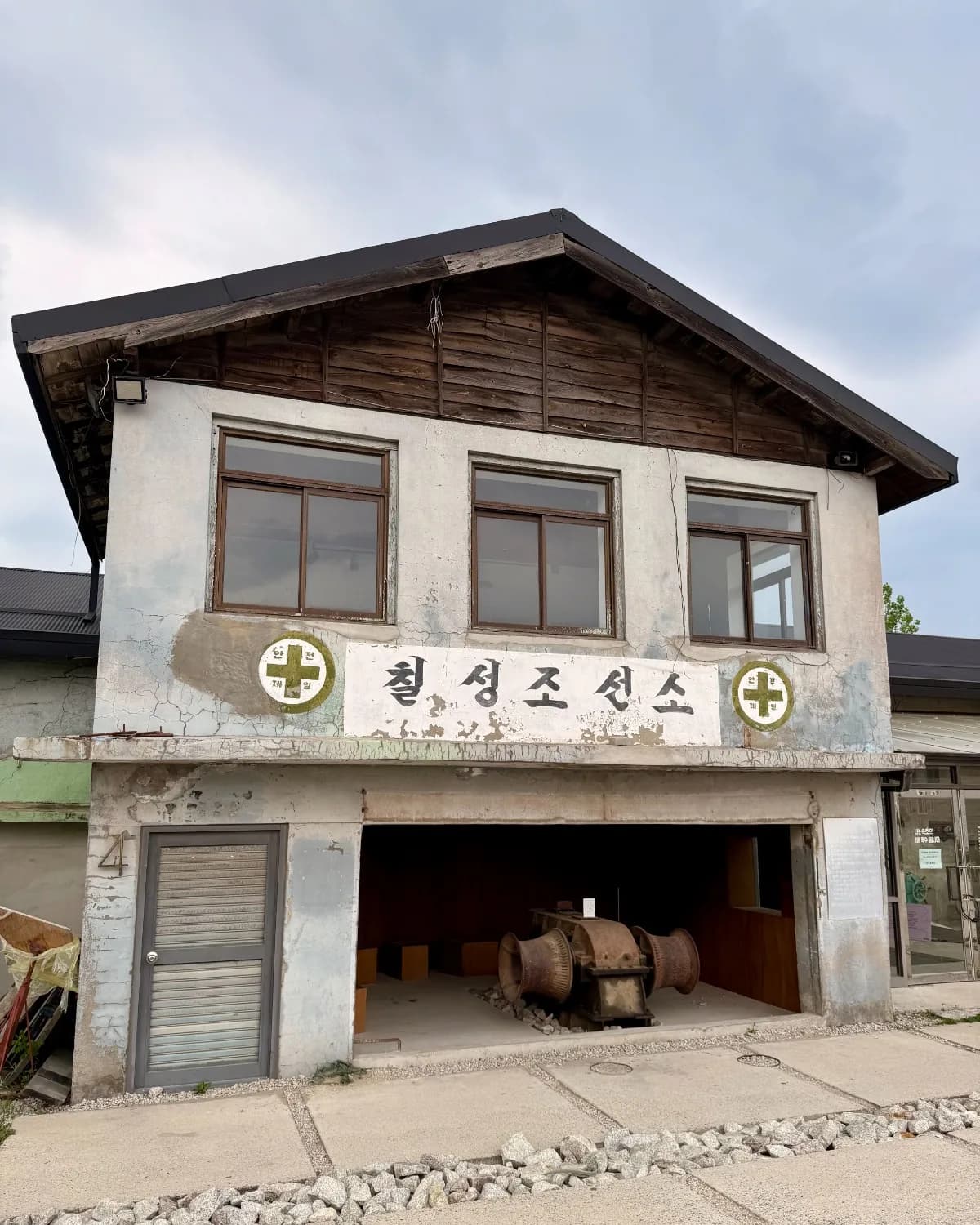
The story
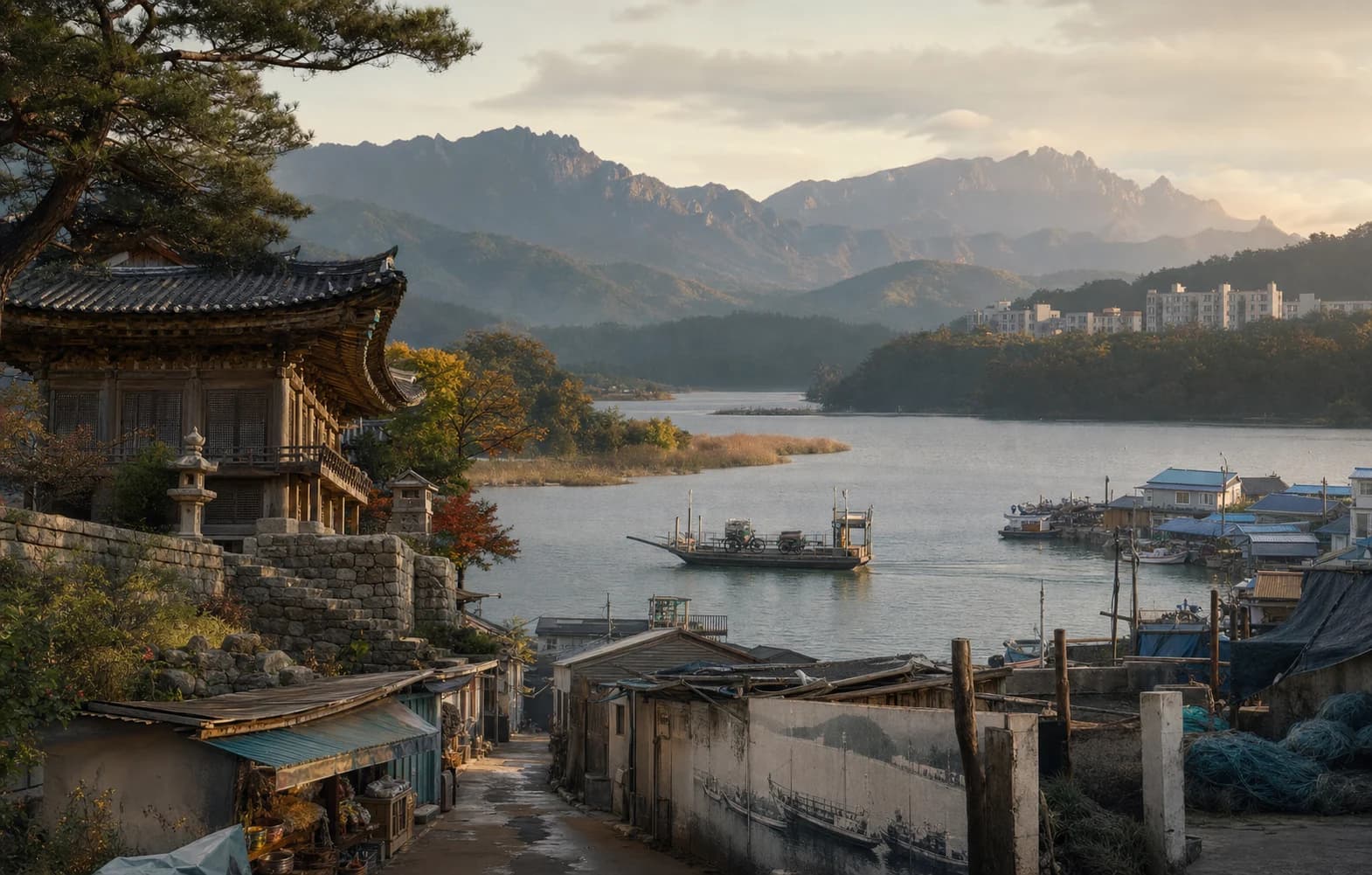
Chilsung began in 1952, when the owner's grandfather, a boat carpenter, settled beside Cheongchoho and opened a yard where boats were built, named, repaired, and sent back to the water. For the owner's father, this was not just a workplace — it was the place where he was born and raised. The current owner came back at the end of 2013, hoping to steer the family business toward leisure boats, but the old industry was already hard to sustain. Little by little, the question changed: not 'How do we build more boats?' but 'How do we keep this place from disappearing?' The cafe came from that question.
“There are stories tucked into every corner here.”
Owner, Chilsung Boatyard
What they stand for
This is not a theme cafe designed to look old. It is an actual shipyard that had to find a new way to stay open. Coffee became the most practical thing to sell, but the real work is quieter: keeping enough of the buildings, rails, winch, handwriting, records, books, and exhibitions in place so visitors can still sense what happened here. After the 2024 fire, that idea of preservation became more honest and less romantic. Not everything can be held in place forever. What matters is choosing, again and again, what to care for next.
Behind the signature
The most intimate doorway into the place is the lettering. In the boatyard days, the owner's father, Choi Seung-ho, painted boat names by hand, often high on a ladder, one vessel at a time. When the site reopened as Chilsung Boatyard, he painted the name on the building again in the winter cold. Seeing that handwork — and realizing it might one day be gone — led the owner to preserve his father's letters as the Sandoll Chilsung Boatyard typeface. The sign is not just branding. It is family memory made visible.
Local tip
Do not make this a ten-minute cafe stop. Before taking photos, ask what each corner used to do: where boats moved, where tools and timber would have been, why the rails remain, and why the lettering feels so handmade. The best visit is simple — a slow walk through the yard, a look inside the museum-like rooms, then coffee in the 2F room that opens onto Cheongchoho. There is no dedicated parking, so use nearby public parking and arrive unhurried.
Seasonal note
Clear afternoons give you the lake light everyone photographs, but rainy days can be even better for the story — the old rooms, rough textures, signage, and exhibitions feel closer. Because this is a living space rather than a frozen set, performances, repairs, art fairs, and exhibitions can change the layout. Check the current Instagram or Naver listing if you are coming late or for a specific event.
For travelers
If you only know Sokcho through Seoraksan, seafood, or Abai Village, this place adds another layer. You are standing in a former working waterfront, not a built-for-tourism set. Even without Korean, follow the material clues: rails, winch path, lake edge, hand-painted letters, rooms that still feel used. Note that ordering happens at a Korean-only kiosk and the staff speak little English — keep the HeySeorak menu page open as you order, and pay at the counter for RTD bottles or gift sets. It is a rare cafe where the drink is not the destination, but the permission to spend time with the place.