The story
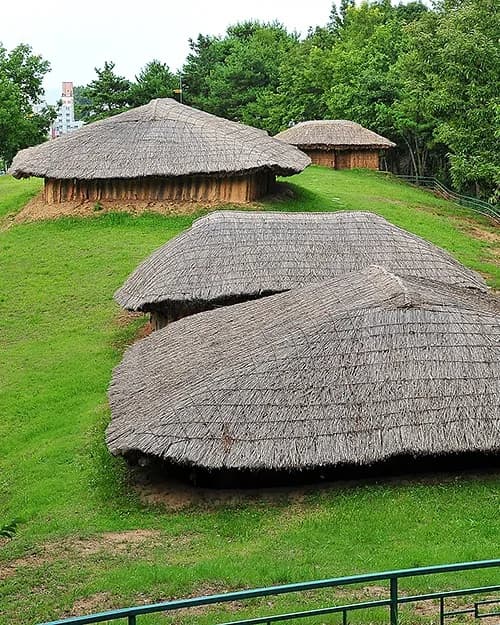
Korea Heritage Service identifies this as a Bronze Age archaeological site in Joyang-dong. Sokcho's city history connects the site to prehistoric settlement around 700-800 BCE, making it one of the strongest reminders that Sokcho's human story predates written local history.
Behind the signature
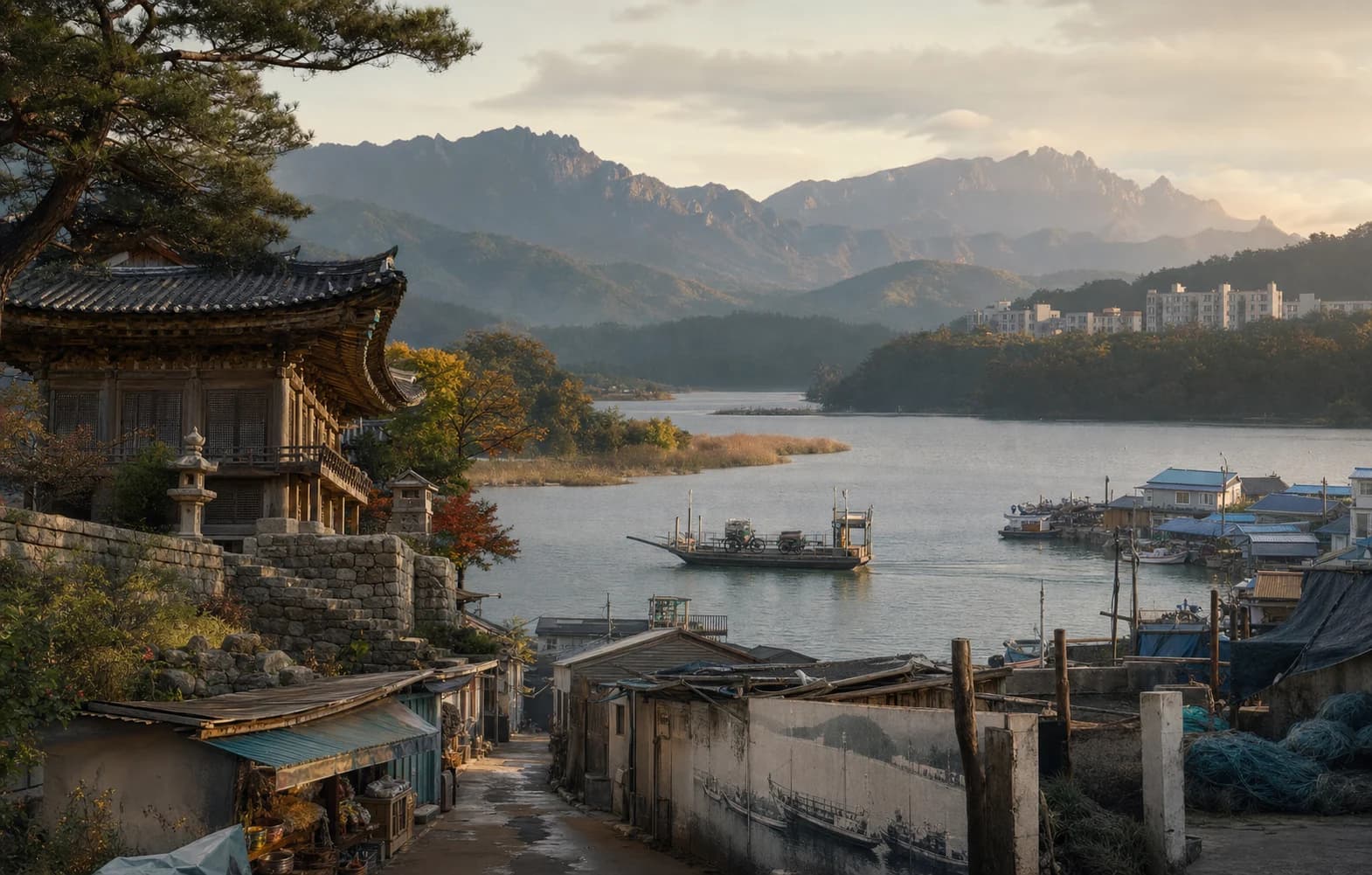
The important detail is scale rather than spectacle: pit-house traces, dolmen evidence, and excavated artifacts show how people lived along the East Sea and lake-adjacent terrain before Sokcho became a port city.
Local tip
This stop works best as a bridge between the museum and the waterfront. If a visitor only has one history slot, the museum is easier; if they care about archaeology, this site makes the prehistoric layer physically mappable.
Seasonal note
Visit during clear daylight. Rain, snow, or harsh midday summer heat can make the site harder to read because the experience depends on looking carefully at ground-level interpretation.
For travelers
For international travelers, this widens Sokcho beyond war memory and mountain scenery. It shows that the same geography tourists cross today supported settlement thousands of years ago.