Song Si-yeol Inscription Rock at Yeongnangho Lake
송시열 영랑호 각자 바위
Song Si-yeol Inscription Rock is a small but precise history stop on the north side of Yeongnangho Lake. Sokcho Tourism explains that the Joseon scholar Uam Song Si-yeol stopped at the lake while being transferred between exile sites and, moved by the scenery, left the three characters 'Yeongnangho' carved on a nearby rock.
Verified by HeySeorak on 📖 Owner story included
Best For
History, culture, scenic context, and first-time orientation
Area
Yeongnangho
Price
₩ Budget-friendly
Info
632-226 Jangsa-dong, Sokcho-si, Gangwon-do
강원특별자치도 속초시 장사동 632-226
Sokcho Tourism lists the site as always available and open year-round. It is a small outdoor rock-inscription stop near the northern lake edge.
The Story
The rock is tied to Uam Song Si-yeol, one of Joseon's best-known Confucian scholars. According to Sokcho Tourism, he passed Yeongnangho during an exile transfer from Deokwon in Hamgyeongbuk-do toward Janggi in Gyeongsangbuk-do.
Behind the Signature
The carved name also carries a small linguistic story. Sokcho Tourism notes discussion around the lake name's Chinese characters: Yeongnangho was associated with the Silla hwarang Yeongnang, but later writing could shift the character for 'nang.' That makes the rock useful for explaining how place names preserve, change, and argue over memory.
Local Tip
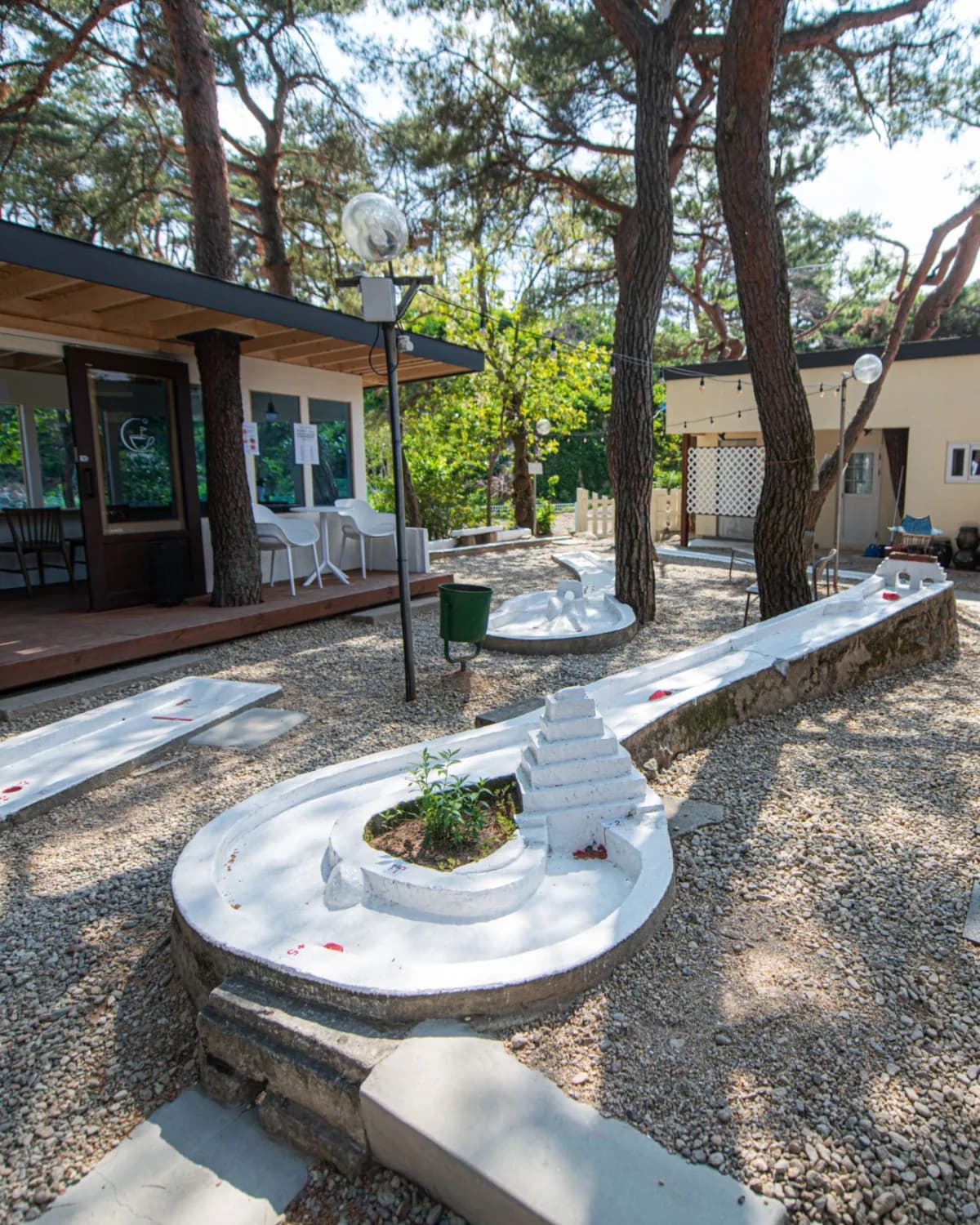
The official page places the remaining inscription rock beside a white cafe near the canoe area on the north side of Yeongnangho. Use the map pin rather than expecting a large monument.
Seasonal Note
Because it is an outdoor lakeside stop, clear daylight is best for reading the inscription and photographing the rock. In bad weather, it is better treated as a quick contextual waypoint.
For Travelers
For international visitors, this is a simple example of how Korean landscapes often hold literary and political memory: a beautiful lake, a scholar in exile, and a carved name become one heritage object.
How to visit
A quick guide for first-time visitors.
Step 1
Start with the context
Read the short history first so the stop is more than a photo point. The story usually explains why this place matters in Sokcho.
Step 2
Walk the key point
Use the map pin as your anchor, then give yourself a few extra minutes for nearby signs, views, side paths, or linked monuments.
Step 3
Connect the next stop
This works best as part of a route. Pair it with a nearby village, museum, market, ferry, temple, or lake walk rather than visiting in isolation.
Helpful guides
Practical reads to help you make the most of your visit.
You might also like
Nearby picks with a different category first, then backup options in the same area or city.