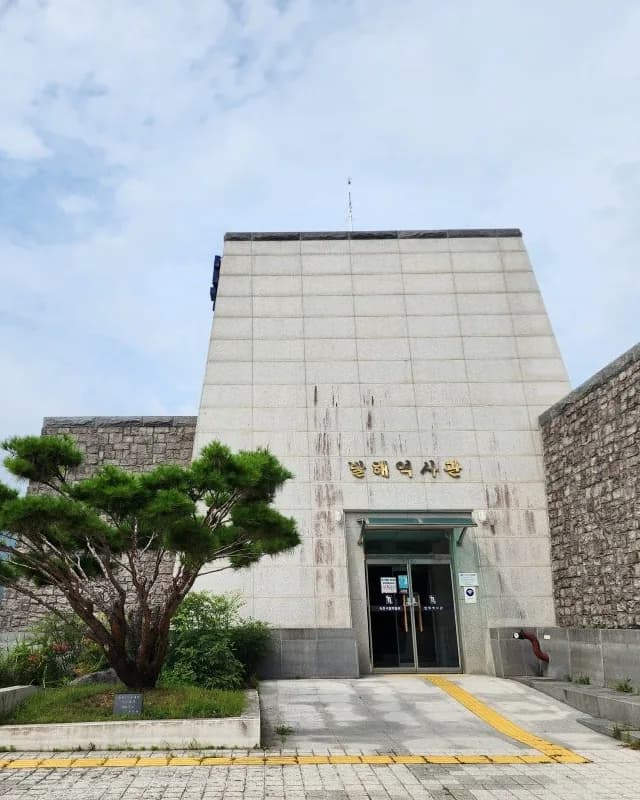
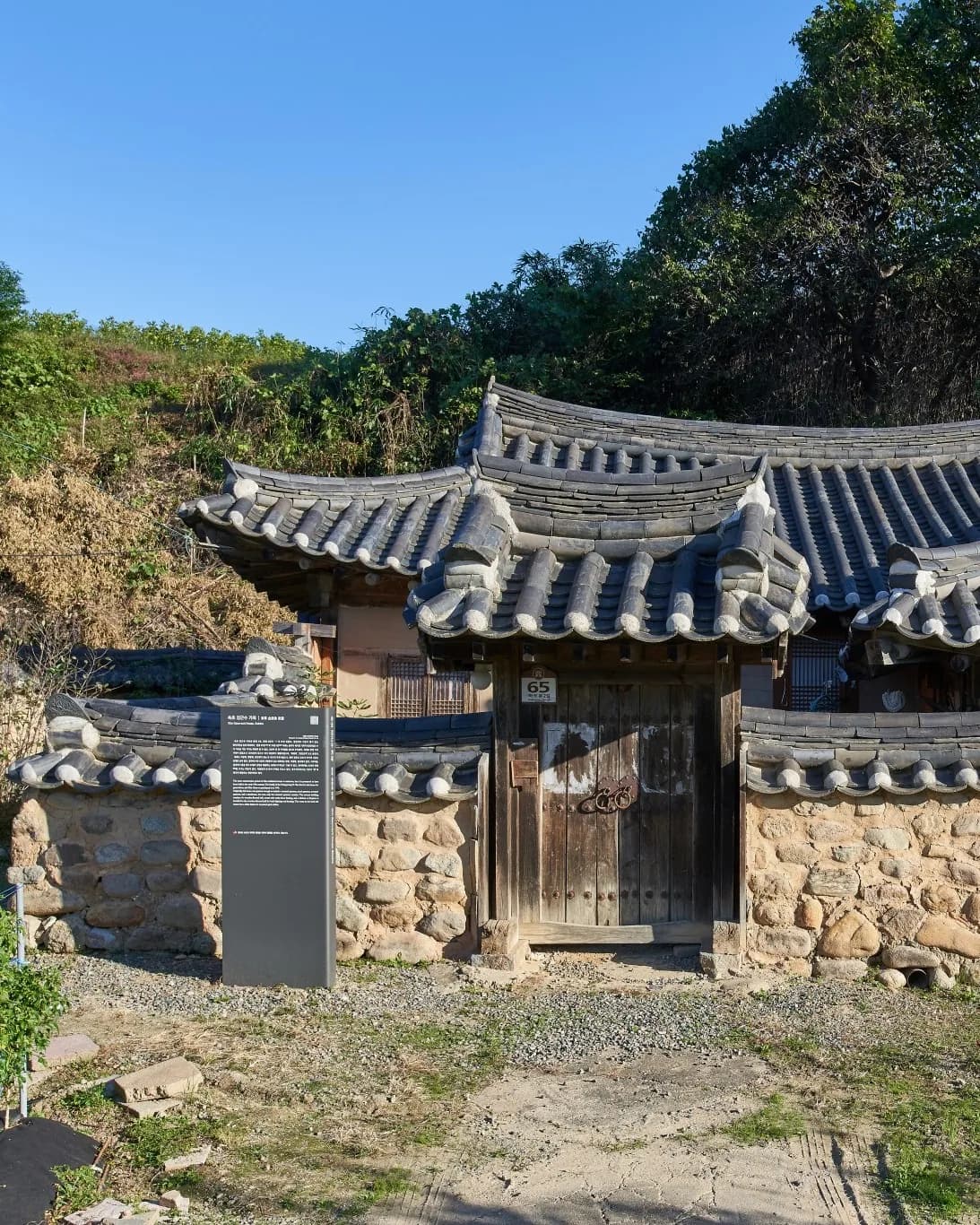
Sokcho Memorial Tower
충혼탑
Sokcho Memorial Tower honors fallen soldiers and police from Sokcho. Sokcho Tourism records that it was first built in May 1964 west of the lighthouse ridge in Dongmyeong-dong, moved near Yeongnangho in May 1969, and moved again to its present Domun-dong site on December 15, 1987. The back of the tower carries an inscription and the names of the fallen, with ceremonies held around Korea's Memorial Day.
Verified by HeySeorak on 📖 Owner story included
Best For
History, culture, scenic context, and first-time orientation
Area
Seoraksan
Price
₩ Budget-friendly
Info
San 62, Domun-dong, Sokcho-si, Gangwon-do
강원특별자치도 속초시 도문동 산62
Sokcho Tourism lists the memorial as always available and open year-round. Visit respectfully, especially around Memorial Day ceremonies.
The Story
The tower's relocations tell a small story of Sokcho's own growth: from a ridge near Dongmyeong-dong lighthouse, to the Yeongnangho side, and finally to its current Domun-dong location.
Behind the Signature
The memorial's core function is remembrance. Sokcho Tourism notes that the inscription and list of the fallen are carved on the back, and that the site is used with Memorial Day commemorations.
Local Tip
For collection use, this belongs with quiet history or civic-memory routes rather than first-time highlights. It can support a deeper story after visitors already understand Abai Village and the Korean War context.
Seasonal Note
June 6, Korea's Memorial Day, is the most meaningful date connected to the tower. Visitors should be especially mindful if ceremonies or preparations are underway.
For Travelers
For international travelers, this memorial helps separate two layers of Sokcho's war memory: displaced civilians at Abai Village and Subok Memorial Tower, and local fallen soldiers and police here.
How to visit
A quick guide for first-time visitors.
Step 1
Start with the context
Read the short history first so the stop is more than a photo point. The story usually explains why this place matters in Sokcho.
Step 2
Walk the key point
Use the map pin as your anchor, then give yourself a few extra minutes for nearby signs, views, side paths, or linked monuments.
Step 3
Connect the next stop
This works best as part of a route. Pair it with a nearby village, museum, market, ferry, temple, or lake walk rather than visiting in isolation.
Helpful guides
Practical reads to help you make the most of your visit.
You might also like
Nearby picks with a different category first, then backup options in the same area or city.