Sangdomun Stone Wall Village
상도문 돌담마을
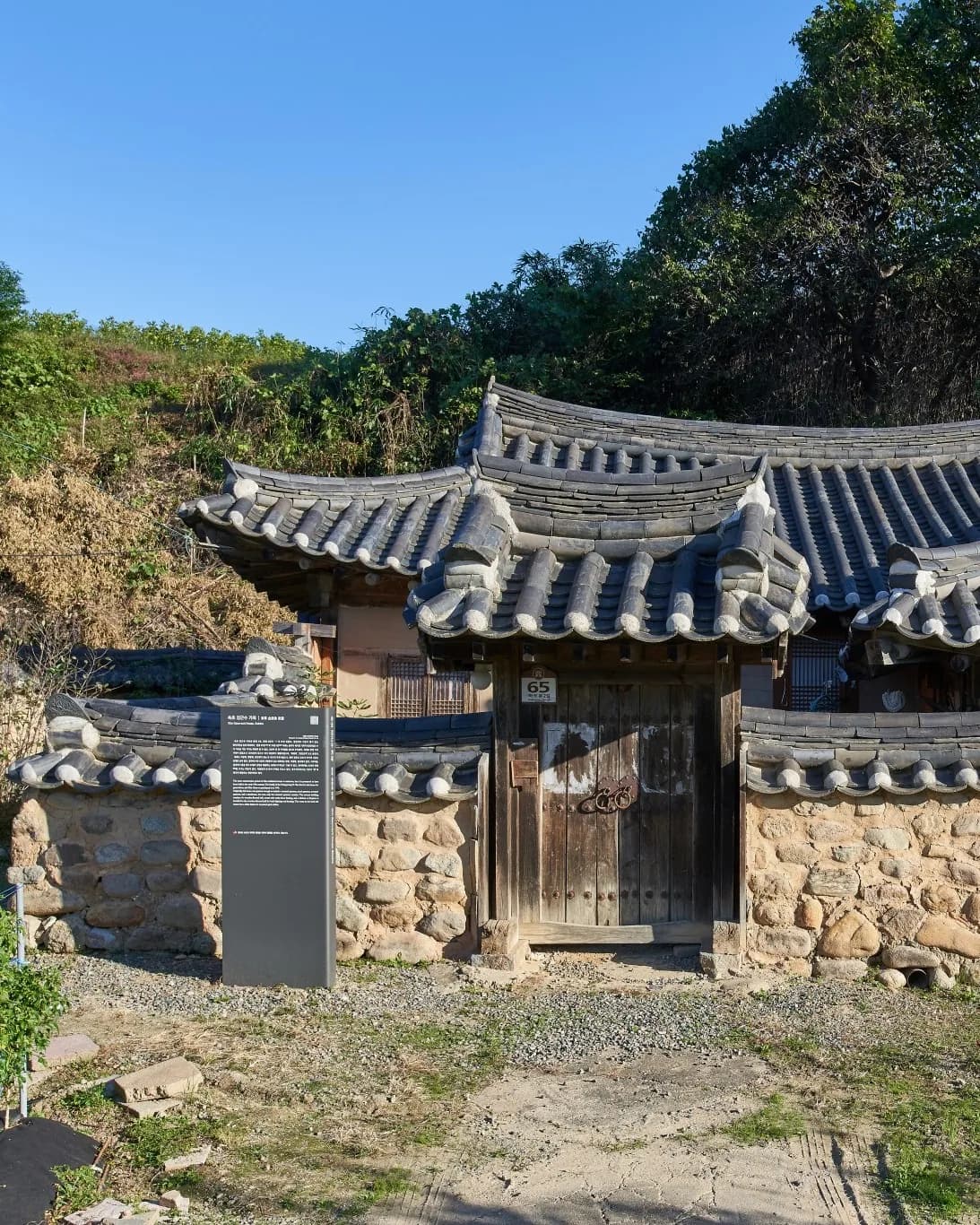
Sangdomun Stone Wall Village is a traditional village at the foot of Seoraksan where old stone-wall alleys, hanok, pine groves, Hakmujeong Pavilion, small stone-art pieces, and village craft programs create a slow cultural walk. It adds a rural heritage layer to Sokcho beyond the coast, market, and refugee story.
Verified by HeySeorak on 📖 Owner story included
Best For
History, culture, scenic context, and first-time orientation
Area
Seoraksan
Price
₩ Budget-friendly
Info
Domun-dong, Sokcho-si, Gangwon-do
강원특별자치도 속초시 도문동
Sokcho Tourism lists the village as open 24 hours. It is a lived-in village, so visit quietly and check separate hours for tours, workshops, cafes, or seasonal festivals.
The Story
Travel coverage describes Sangdomun as a village with roughly 500 years of history near Seoraksan, shaped by old clan-village life and alleys where stone walls were built without the hard boundary feeling of modern gates.
Behind the Signature
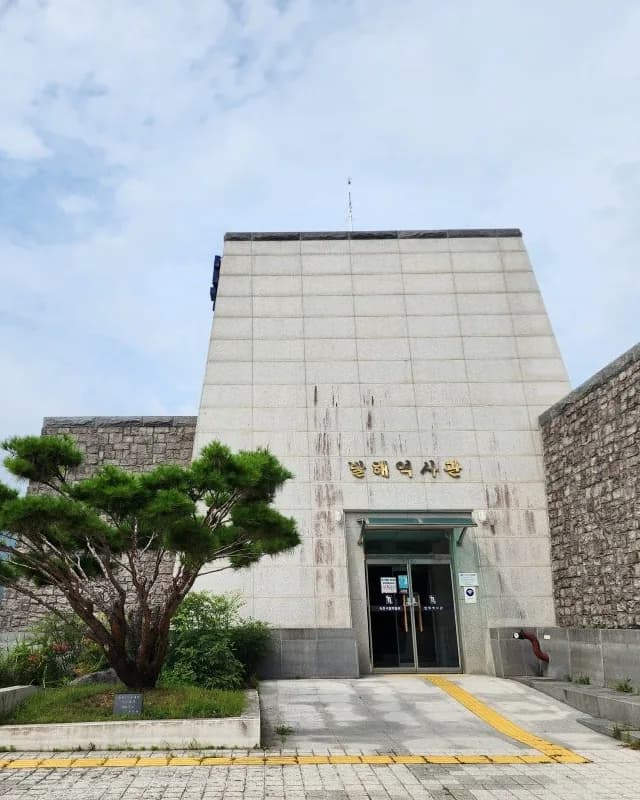
Sokcho Tourism emphasizes the maze-like stone-wall lanes, small stone artworks, Hakmujeong Pavilion, pine-rest area, waterwheel, treadwheel, and Sokcho Domun Nongyo Transmission Hall. The point is not one monument but a preserved walking texture.
Local Tip
Start around the village entrance or Doldam cultural space, then walk slowly rather than trying to check off every photo spot. If a resident-led tour or workshop is available, it gives much better context than walking with a map alone.
Seasonal Note
Spring festival programming has returned in 2026, and autumn is strong for Seoraksan-side walks. Rain can make the stone lanes slippery, while summer midday heat makes the village feel more exposed.
For Travelers
For international travelers, this is a useful contrast to Abai Village: both are living communities, but Sangdomun shows older rural Gangwon settlement, stone-wall craft, and Seoraksan foothill life rather than wartime displacement.
How to visit
A quick guide for first-time visitors.
Step 1
Start with the context
Read the short history first so the stop is more than a photo point. The story usually explains why this place matters in Sokcho.
Step 2
Walk the key point
Use the map pin as your anchor, then give yourself a few extra minutes for nearby signs, views, side paths, or linked monuments.
Step 3
Connect the next stop
This works best as part of a route. Pair it with a nearby village, museum, market, ferry, temple, or lake walk rather than visiting in isolation.
Helpful guides
Practical reads to help you make the most of your visit.
You might also like
Nearby picks with a different category first, then backup options in the same area or city.