The story
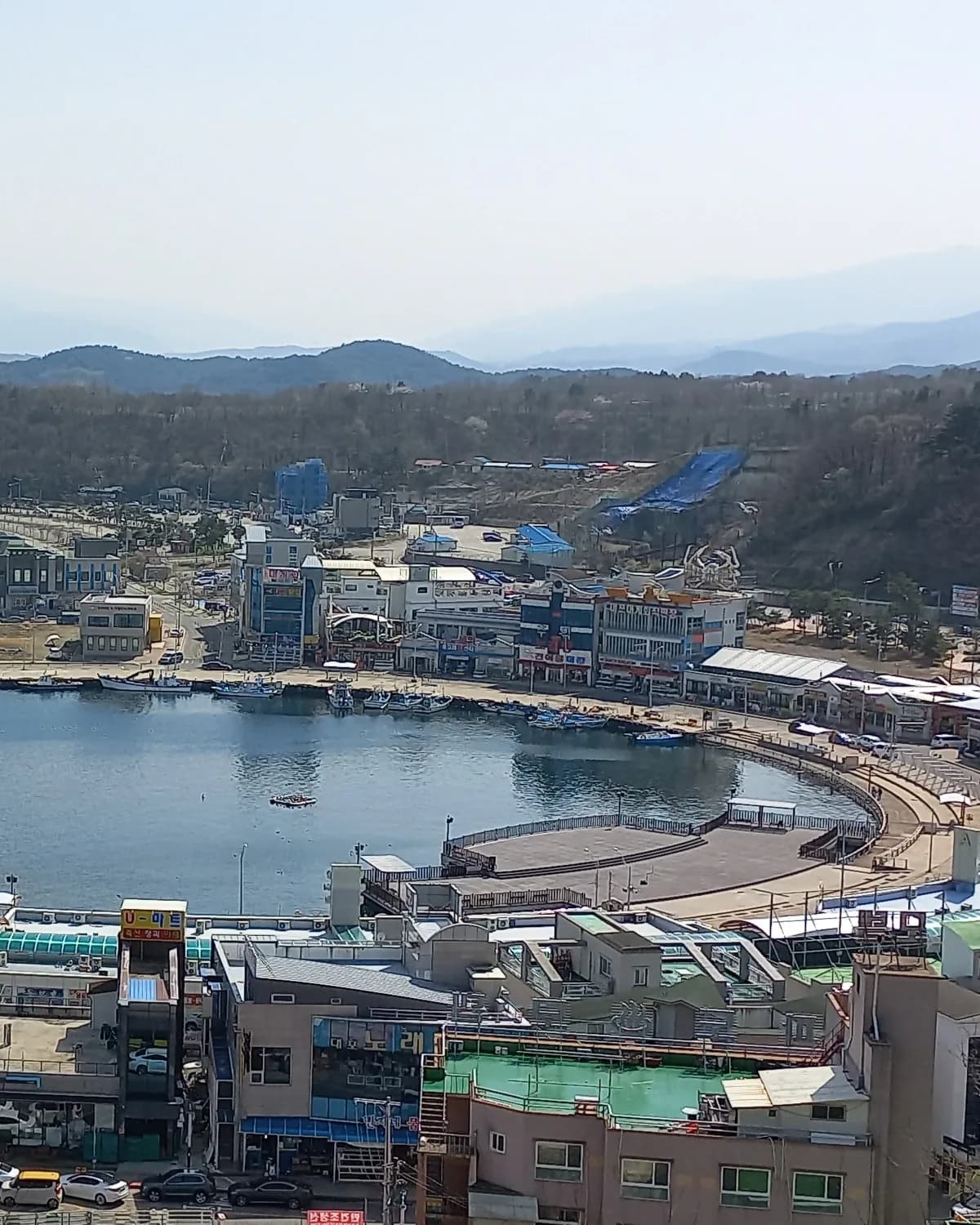
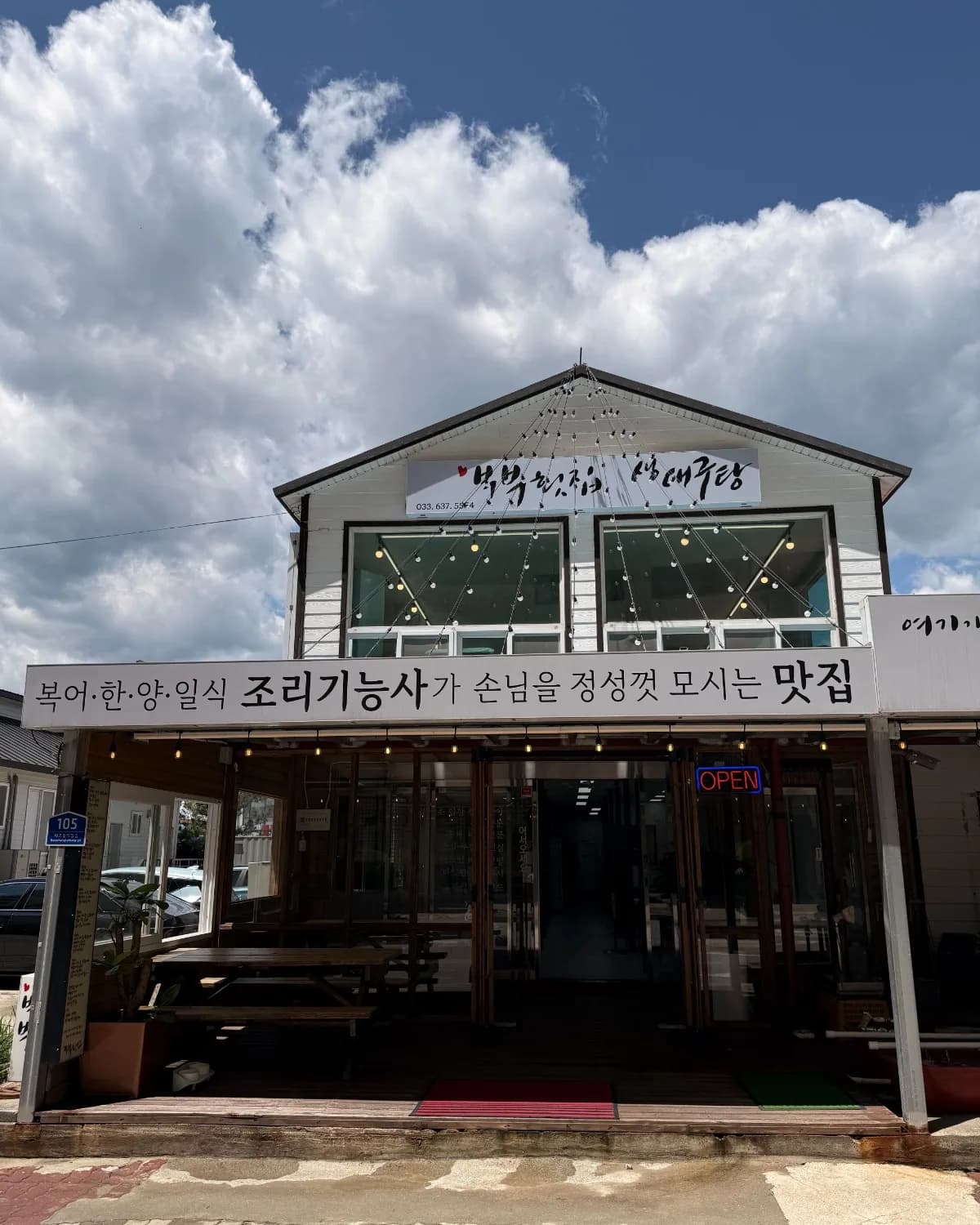
The owner has worked around Daepo Port for three decades and has run his own seafood business for twenty years. Bubu Live Fish Center itself spent sixteen years in the old fish-market space before moving in December 2024 to its current location on Daepohang-huimang-gil. The reason was practical and guest-facing: the old haesudong market spot was too tight. The new building, across from Ramada and Cassia hotels, gives guests more room, easier access, and a cleaner setting for the same seafood table.
“항상 내가 먹는 것처럼 손님한테 나가야 된다. - 'It should always go out to the guest as if I were going to eat it myself.'”
Owner, Bubu Live Fish Center
What they stand for
The house rule is direct: food should go out as if the owner were eating it himself. That means no bait-and-switch pricing beyond the menu, no dead snow crab passed off as fresh, and no muddy, bloody fish scraps going into stew. Maeuntang ingredients are cleaned until there is no trace of blood, so the broth tastes clean rather than artificially seasoned. The owner's wife holds blowfish, Western, Japanese, and Korean cooking certifications - an unusual level of formal training in Daepo Port - and that discipline shows in the plating and prep.
Behind the signature
Mulhoe is the dish the owners are proudest of, even though it is not the easiest business decision. The broth is made in-house with fresh fruit, and the fish is cut fresh for each order instead of being left ready in a bowl. That makes the food cleaner and brighter, but also harder to price cheaply. Fresh cod soup is another quiet strength: new cod comes in every day, gets cleaned that morning, and becomes the kind of breakfast seafood travelers rarely know to ask for.
Local tip
Bubu Live Fish Center is on Daepo Port's hotel-facing stretch, near Ramada and Cassia. It is a natural dinner stop after Seoraksan, Oeongchi Beach, or a drive down the coast. Parking is available nearby, and the larger two-floor space is better for families and groups than the old market stall layout.
Seasonal note
The table changes with the season. Seasonal live sashimi, large amberjack, sea bream, wild flounder, rockfish, sea bass, snow crab, king crab, red crab, and lobster all depend on supply. The set menus are stable, but the seafood inside them can shift with what comes in from Jumunjin, Geojin, and the port supply chain.
For travelers
Foreign guests usually communicate with body language, short English, and phone-camera translation. The owners already understand where translation fails: mulhoe can appear simply as 'raw fish,' which misses the cold fruit-based broth, vegetables, and Sokcho-style texture. Foreign visitors tend to like snow crab and sashimi, especially the thin-sliced style here. One rainy day, the owner drove a foreign family back to their hotel; they tried to leave a 20000 won tip, but he saw it as ordinary hospitality. A Taiwanese guest later posted about the restaurant online, and more Taiwanese travelers began finding their way here.