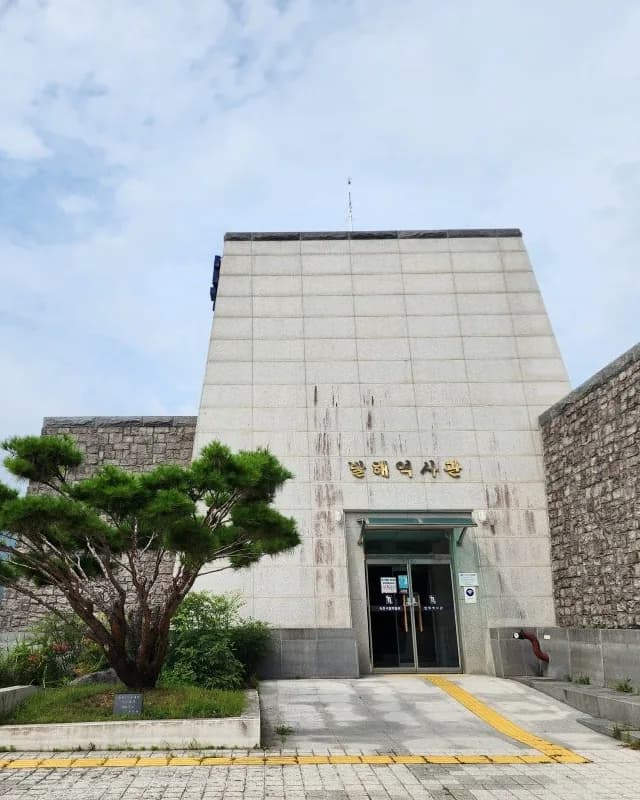
Kim Jong-woo House
김종우가옥
Kim Jong-woo House is a late-Joseon traditional house in Domun-dong, believed to have been built around 1750 and designated Gangwon-do Tangible Cultural Heritage No. 85 in 1985. The house shows a local vernacular form with a double-house layout, tiled hip-and-gable roof, inner quarters, servant quarters, storage, and a stable bay projecting from the main body.
Verified by HeySeorak on 📖 Owner story included
Best For
History, culture, scenic context, and first-time orientation
Area
Seoraksan
Price
₩ Budget-friendly
Info
74-7 Jungdomun-gil, Sokcho-si, Gangwon-do
강원특별자치도 속초시 중도문길 74-7
Sokcho Tourism lists the site as always available and open year-round. Treat it as a heritage exterior stop and respect nearby residents and private boundaries.
The Story
Sokcho Tourism dates the house to around 1750 in the late Joseon period. Its survival gives Sokcho a domestic-architecture layer that many visitors miss when they focus only on beaches, markets, and Seoraksan.
Behind the Signature
The most useful architectural detail is the stable bay added in front of the kitchen side, creating an L-shaped plan. Sokcho Tourism describes this as a typical traditional private-house form seen in the Sokcho region.
Local Tip
Pair Kim Jong-woo House with Sangdomun Stone Wall Village and Kim Geun-su House. The houses are more meaningful as a pattern of old village life than as isolated photo stops.
Seasonal Note
Daylight visits are best. Avoid loud groups, late visits, or treating narrow village roads as parking spaces.
For Travelers
For international visitors, this house explains how rural Korean homes organized heat, storage, animals, and family space in one compact architectural system.
How to visit
A quick guide for first-time visitors.
Step 1
Start with the context
Read the short history first so the stop is more than a photo point. The story usually explains why this place matters in Sokcho.
Step 2
Walk the key point
Use the map pin as your anchor, then give yourself a few extra minutes for nearby signs, views, side paths, or linked monuments.
Step 3
Connect the next stop
This works best as part of a route. Pair it with a nearby village, museum, market, ferry, temple, or lake walk rather than visiting in isolation.
Helpful guides
Practical reads to help you make the most of your visit.
You might also like
Nearby picks with a different category first, then backup options in the same area or city.